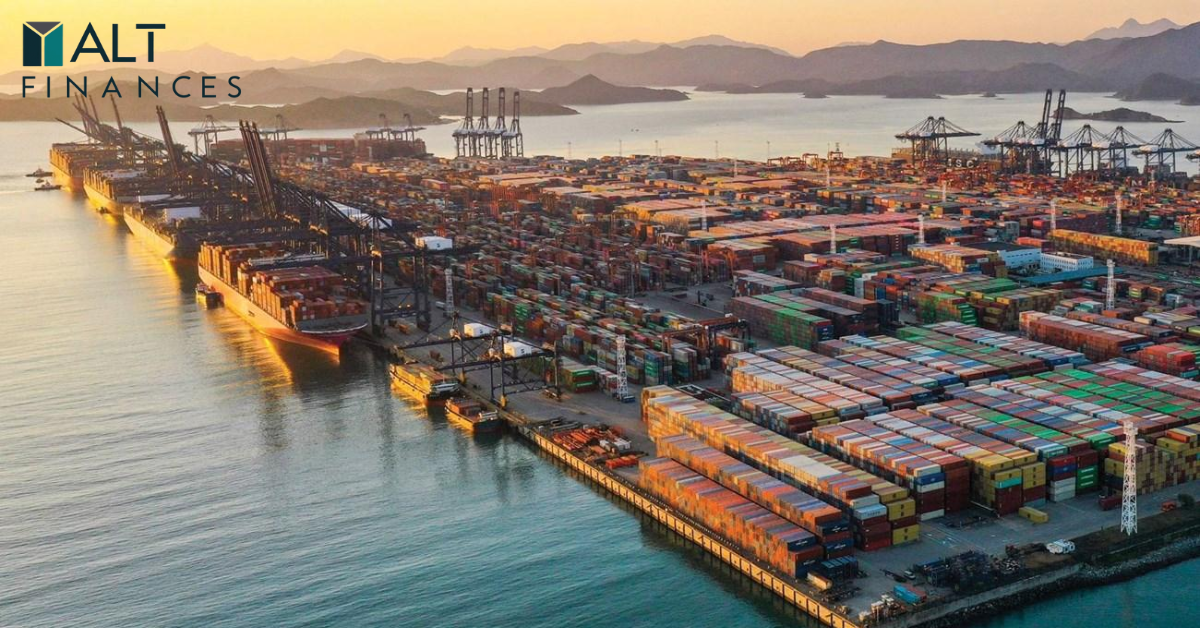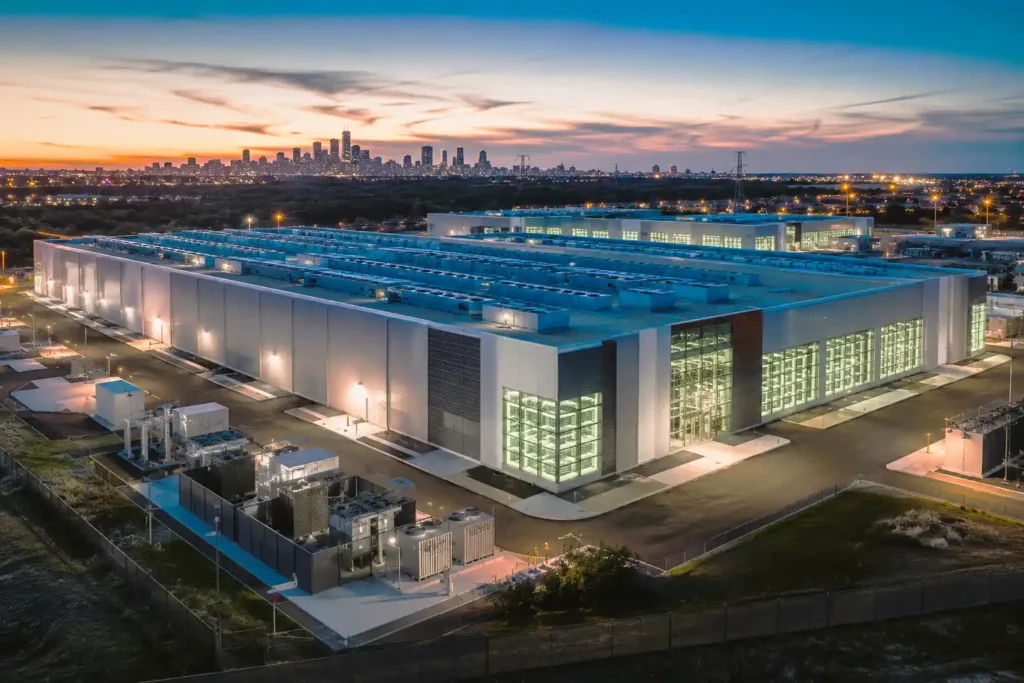
Data center investment has become one of the defining battlegrounds of modern economic policy. Within a remarkably short period, governments have shifted their attention from attracting traditional manufacturing plants to competing for hyperscale computing facilities that power artificial intelligence, cloud computing, and the broader digital economy. What was once viewed as back-end technology infrastructure is now increasingly treated as a strategic national asset capable of shaping productivity, innovation, and long-term economic competitiveness.
The transformation reflects more than the rapid adoption of artificial intelligence. Businesses, governments, and consumers now rely on cloud-based applications, digital services, and real-time computing at unprecedented scale. As AI models become larger and enterprise workloads migrate to the cloud, demand for secure, resilient, and strategic value of data centers continues to accelerate. Industry research from McKinsey, CBRE, JLL, and Synergy Research Group consistently points to strong long-term growth in hyperscale capacity, driven by enterprise digital transformation and expanding AI workloads.
Consequently, technology investment increasingly flows toward regions capable of supporting large-scale digital infrastructure. Governments are responding with tax incentives, faster permitting, investments in power transmission, expanded fiber connectivity, and renewable energy development to attract billions in private capital. The competition is no longer simply about hosting servers it is about securing a larger role in the next phase of global economic development.
Why Data Centers Have Become Strategic National Assets?
For decades, industrial policy focused on factories because they generated employment, exports, and regional development. Today, governments increasingly recognize that AI infrastructure and digital connectivity can influence economic performance just as profoundly.
Modern hyperscale data centers serve as the backbone of cloud computing platforms, AI model training, financial services, healthcare systems, manufacturing automation, and public-sector digital services. Rather than supporting a single industry, these facilities enable thousands of businesses simultaneously, making them foundational infrastructure for nearly every sector of the economy.
Artificial intelligence has accelerated this shift dramatically. Training advanced AI models requires enormous computing resources, specialized semiconductor hardware, and continuous access to reliable electricity. Once deployed, AI applications continue consuming significant computational capacity through inference workloads, increasing demand for geographically distributed computing infrastructure.
This evolution has also elevated questions of technology sovereignty. Countries increasingly want sensitive government information, financial records, healthcare data, and strategic AI applications processed within national or regional jurisdictions. Sovereign cloud initiatives across Europe, Asia, and the Middle East illustrate how digital infrastructure has become intertwined with cybersecurity, regulatory compliance, and national resilience.
The strategic value extends well beyond technology companies. Modern digital infrastructure attracts software developers, cybersecurity firms, semiconductor suppliers, cloud service providers, telecommunications companies, and advanced research institutions. As these ecosystems mature, they create clusters that encourage innovation, entrepreneurship, and additional capital investment.
Unlike many traditional infrastructure assets, data centers also evolve alongside technological progress. Facilities designed today can support future AI workloads, high-performance computing, and emerging digital services, provided operators continue investing in upgrades. This adaptability strengthens their appeal as long-term infrastructure assets.
Investor Perspective
For investors, this transformation changes how digital infrastructure should be evaluated. Data centers increasingly resemble essential infrastructure rather than niche technology assets. Long-term demand from cloud computing, artificial intelligence, and enterprise digital transformation supports sustained capital deployment, although investment success remains closely tied to power availability, regulatory stability, connectivity, and financing conditions.
Why Governments Are Competing for Data Center Investment?
Competition for data center investment increasingly resembles earlier races to attract automotive plants, semiconductor fabrication facilities, or advanced manufacturing hubs. The difference lies in the economic multiplier. Governments are not merely pursuing construction activity; they seek to anchor long-term technology ecosystems that stimulate innovation, foreign direct investment, and digital economic growth.
Tax policy remains one of the most visible competitive tools. Several jurisdictions offer exemptions on equipment purchases, property taxes, or sales taxes for qualifying facilities. While these incentives reduce initial development costs, they rarely determine investment decisions on their own. Operators ultimately prioritize locations where reliable infrastructure can support decades of uninterrupted operation.
Energy availability has become the decisive competitive advantage. AI infrastructure consumes vast quantities of electricity, making access to dependable power one of the first considerations during site selection. Regions capable of expanding grid capacity while integrating renewable energy infrastructure sources are increasingly positioned to attract hyperscale projects. Investors and cloud providers are also under growing pressure to meet environmental commitments, making clean electricity an important commercial consideration alongside cost.
Fiber connectivity is equally critical. High-capacity networks enable rapid data transmission between enterprises, cloud platforms, and global internet exchanges. Governments investing in telecommunications infrastructure improve their attractiveness for hyperscale developments because low-latency connectivity directly influences application performance and customer experience.
Regulatory efficiency has also emerged as a competitive differentiator. Lengthy permitting processes, uncertain zoning requirements, or inconsistent environmental approvals can delay projects by years. In contrast, jurisdictions offering transparent planning frameworks and predictable approval timelines reduce development risk and improve investment certainty.
Foreign direct investment plays a central role in this competition. Major cloud providers, infrastructure developers, institutional investors, and private equity firms increasingly allocate billions of dollars toward regional expansion. These projects generate construction demand, stimulate local supply chains, improve digital capabilities, and often encourage multinational technology companies to establish broader regional operations.
Governments increasingly view these investments through the lens of industrial policy rather than real estate development. Digital infrastructure supports AI research, financial technology, advanced manufacturing, life sciences, and public-sector modernization, creating indirect economic benefits that extend well beyond the facilities themselves.
Regional Competition for Data Center Investment
| Region | Competitive Advantage | Primary Challenge |
|---|---|---|
| United States | Mature cloud ecosystem, deep capital markets, strong AI innovation, extensive fiber networks | Grid constraints, permitting delays in some markets, rising electricity demand |
| Middle East | Government-backed digital strategies, competitive energy resources, strategic geographic location | Extreme climate, evolving regulatory frameworks, workforce development |
| Europe | Strong connectivity, growing renewable energy adoption, robust enterprise demand | Complex permitting, higher energy costs, regulatory fragmentation |
| Asia-Pacific | Rapid digital adoption, expanding cloud markets, manufacturing and semiconductor ecosystems | Land scarcity, power constraints in major hubs, varying regulatory standards |
The competitive landscape illustrates that no single factor guarantees success. Governments increasingly compete across multiple dimensions simultaneously energy infrastructure, digital connectivity, regulatory efficiency, workforce development, and investment policy. Regions capable of aligning these advantages are more likely to attract sustained capital investment than those relying solely on financial incentives.
Investor Perspective
For institutional investors, government competition signals that data center investment has become a core component of national economic strategy rather than a cyclical property segment. Capital allocation decisions increasingly depend on jurisdictions that can provide reliable electricity, scalable infrastructure, regulatory certainty, and long-term policy support. These fundamentals may ultimately prove more valuable than generous incentive packages alone.
The Challenges Behind the Boom
The rapid expansion of data centers has created significant economic opportunities, but it has also exposed structural constraints that governments and investors cannot ignore. The next phase of Data center investment will depend not only on capital availability but also on whether countries can expand supporting infrastructure at the same pace as demand for AI and cloud computing.
Electricity has emerged as the industry’s most pressing challenge. According to the International Energy Agency (IEA), electricity demand from data centers is expected to rise substantially over the coming years as artificial intelligence workloads become more computationally intensive. Unlike conventional enterprise applications, AI model training and inference require continuous, high-density computing power, placing unprecedented pressure on national grids.
As a result, power availability has become one of the first questions developers ask when evaluating potential locations. In several mature markets, utilities struggle to connect new hyperscale projects because transmission infrastructure has not expanded as quickly as digital demand. This has prompted governments to accelerate grid modernization, invest in transmission capacity, and encourage private-sector participation in renewable energy projects.
Water consumption presents another complex issue. Although cooling technologies continue to improve, many facilities still require considerable water resources depending on climate and design. Communities experiencing water stress increasingly scrutinize new developments, forcing operators to adopt more efficient cooling systems, recycle water where possible, and explore alternative technologies.
Land availability also influences investment decisions. Hyperscale campuses require large sites with room for future expansion, proximity to high-voltage power infrastructure, and access to fiber networks. These requirements can be difficult to satisfy near major metropolitan areas where digital demand is strongest but land is scarce and expensive.
Environmental regulation adds another layer of complexity. Governments must balance economic development with climate objectives, local environmental standards, and community concerns. Increasingly, approval processes evaluate not only construction impacts but also long-term energy sourcing, carbon emissions, and resource efficiency.
These constraints do not signal the end of the industry’s growth. Instead, they suggest that future winners will be regions capable of coordinating energy policy, infrastructure planning, environmental stewardship, and World Bank Digital Development rather than pursuing isolated investment incentives.
Investor Perspective
Infrastructure bottlenecks can delay projects, increase costs, and reduce expected returns. Investors should therefore evaluate utilities, renewable power developers, transmission assets, and supporting infrastructure alongside data centers themselves. The broader ecosystem may offer equally attractive long-term opportunities.
Comparing Global Data Center Investment Strategies
Governments have adopted different approaches to attracting technology investment, reflecting variations in energy resources, regulatory systems, and industrial priorities.
The United States remains the global leader, supported by an established cloud ecosystem, deep capital markets, world-leading AI research, and a mature semiconductor industry. However, electricity constraints in several key markets and increasingly lengthy interconnection queues present challenges for future expansion. Despite these issues, the country’s innovation ecosystem continues to attract significant institutional capital.
The Middle East has rapidly positioned itself as an emerging digital infrastructure hub. Governments across the Gulf are investing heavily in AI infrastructure, sovereign cloud initiatives, and smart-city projects while leveraging competitive energy resources and ambitious economic diversification strategies. Continued investment in renewable energy could further strengthen the region’s long-term competitiveness.
Europe offers sophisticated enterprise demand, advanced digital connectivity, and ambitious sustainability goals. Strong environmental standards encourage renewable-powered developments, yet higher electricity prices, complex permitting procedures, and fragmented regulation across jurisdictions can slow project delivery. Nevertheless, demand for regional cloud capacity and data sovereignty continues to support investment.
Across Asia-Pacific, rapid digital transformation, expanding internet populations, and growing AI adoption create substantial long-term demand. Markets such as Singapore, Japan, India, Australia, and Malaysia continue attracting significant investment, although power availability, land constraints, and differing regulatory frameworks influence project economics across the region.
Infrastructure Priorities for Long-Term Investment
| Infrastructure Priority | Investment Opportunity | Primary Risk |
|---|---|---|
| Renewable energy generation | Long-term power purchase agreements and clean electricity assets | Intermittency and transmission constraints |
| Grid modernization | Transmission networks, substations, energy storage | Regulatory approval delays |
| Fiber and digital connectivity | Telecommunications infrastructure and network expansion | Rapid technological change |
| Semiconductor ecosystems | Advanced manufacturing, supply chains, AI hardware | Geopolitical tensions and supply disruptions |
| Edge computing infrastructure | Regional data processing closer to users | Demand uncertainty in emerging markets |
The comparison highlights an important reality: governments are no longer competing solely on tax policy. Infrastructure readiness, reliable electricity, regulatory efficiency, and digital ecosystems increasingly determine where large-scale foreign direct investment flows.
Investor Perspective
Regional differences create opportunities for diversification. Mature markets often provide lower operational risk, while emerging digital hubs may offer stronger long-term growth. Investors should assess policy stability, infrastructure resilience, and energy security alongside traditional financial metrics.
The Future of Digital Infrastructure Investment
The next decade is likely to redefine the relationship between infrastructure and economic development. Artificial intelligence will continue expanding enterprise computing requirements, while cloud computing, edge computing, and digital public services generate additional demand for distributed capacity.
Governments are increasingly incorporating AI infrastructure into national industrial strategies. Rather than viewing computing capacity as a purely private-sector concern, policymakers increasingly see it as essential infrastructure supporting research, defense, healthcare, education, finance, and advanced manufacturing.
Renewable-powered data centers are expected to play a growing role in this transition. Developers increasingly seek locations where abundant clean electricity aligns with corporate sustainability commitments and long-term operating costs. Simultaneously, countries investing in semiconductor ecosystems, advanced telecommunications, and digital skills development may strengthen their competitive positions within the broader digital economy.
Institutional investors are responding accordingly. Pension funds, infrastructure funds, sovereign wealth funds, and private equity firms increasingly view digital infrastructure as a long-duration asset class supported by structural demand rather than short-term technology cycles. While financing conditions and interest rates influence valuations, the long-term investment thesis remains tied to expanding digital activity rather than temporary market enthusiasm.
Investor Perspective
The strongest investment opportunities may emerge where governments successfully integrate energy policy, digital infrastructure, and industrial strategy. Conversely, regions unable to expand electricity supply or modernize infrastructure may struggle to capture future technology investment despite strong market demand.
Unique Insight
The twentieth century rewarded nations that could attract factories, ports, railways, and industrial production. The twenty-first century increasingly rewards those capable of attracting computing capacity.
Data center investment has become the modern equivalent of industrial development because artificial intelligence has transformed computing infrastructure into a strategic economic asset rather than merely an operational necessity. Countries now compete not only for manufacturing facilities but also for hyperscale computing campuses that support AI research, cloud computing, financial services, healthcare innovation, and digital public infrastructure.
Institutional investors increasingly recognize this shift. Unlike many traditional technology assets, modern digital infrastructure benefits from long-term structural demand driven by enterprise digital transformation rather than consumer technology cycles alone. Consequently, capital allocation increasingly favors regions offering reliable energy, advanced fiber connectivity, predictable regulation, and scalable infrastructure.
This evolution reflects a broader transformation in economic development. During previous industrial revolutions, manufacturing capacity largely determined national competitiveness. Today, computing power, AI infrastructure, and digital connectivity increasingly influence productivity, innovation, foreign direct investment, and technological leadership. Governments that successfully align energy policy, infrastructure planning, and investment frameworks may ultimately secure advantages extending far beyond the technology sector.
Frequently Asked Questions
What is data center investment?
Data center investment refers to capital allocated toward developing, expanding, acquiring, or upgrading facilities that provide computing, storage, networking, and cloud infrastructure for businesses, governments, and AI applications.
Why are governments competing for data centers?
Governments view data centers as strategic infrastructure that attracts technology companies, foreign direct investment, skilled employment, and innovation while strengthening national digital capabilities.
How does AI increase demand for data centers?
Artificial intelligence requires enormous computing resources for model training and inference. As AI adoption expands, demand for high-performance computing infrastructure continues to increase.
Why do data centers require so much electricity?
Servers operate continuously while advanced cooling systems maintain optimal temperatures. AI workloads significantly increase energy consumption compared with traditional computing tasks.
What incentives attract hyperscale data centers?
Governments commonly offer tax incentives, streamlined permitting, improved fiber connectivity, access to renewable energy, infrastructure investment, and supportive regulatory frameworks.
Which countries lead in data center investment?
The United States remains the largest market, while countries across Europe, the Middle East, and Asia-Pacific continue expanding their digital infrastructure through public and private investment.
How do institutional investors view digital infrastructure?
Many institutional investors consider digital infrastructure a long-duration asset class supported by structural growth in cloud computing, artificial intelligence, and the digital economy.
What are the biggest risks of data center expansion?
Major risks include electricity shortages, grid capacity constraints, environmental regulations, water availability, land scarcity, construction costs, and geopolitical uncertainty.
Why is renewable energy important for data centers?
Renewable energy helps operators reduce emissions, manage long-term electricity costs, meet sustainability commitments, and improve resilience against future energy market volatility.
Why is Data center investment becoming a national priority?
Because computing infrastructure increasingly supports economic competitiveness, AI development, digital sovereignty, cybersecurity, and long-term productivity, governments now view Data center investment as a strategic national priority rather than simply another category of commercial real estate.

Administrator at Alt Finances, leading editorial strategy and contributing in-depth coverage of investing, wealth management, alternative assets, and global financial markets. Through research-driven articles and analysis, he helps readers understand the ideas, industries, and market forces shaping modern finance.