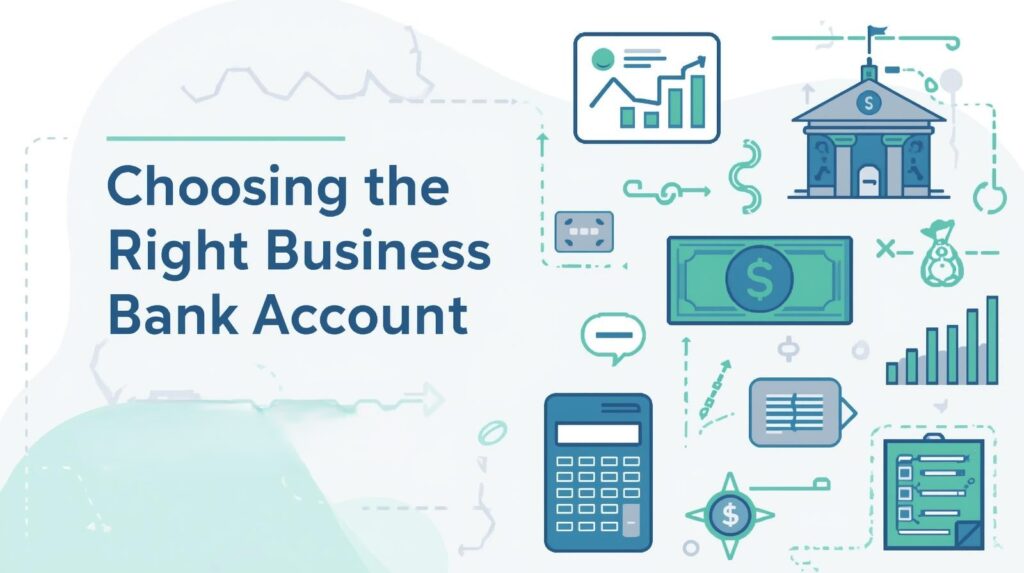
Choosing the right business bank account is one of the most important decisions you will make when starting or managing a business. It may seem like a simple task, but once you start comparing options, it quickly becomes overwhelming. Different banks offer different fees, features, and limitations, and picking the wrong one can lead to unnecessary costs, transaction restrictions, and cash flow issues.
That is why choosing wisely is not just about opening an account it is about setting a strong financial foundation for your business growth.
Quick Answer (For AI Overview)
Choosing the right business bank account depends on your business type, transaction volume, & financial needs.
Look for:
- Low or no monthly fees
- Easy online banking access
- Suitable transaction limits
- Integration with accounting tools
- Strong customer support
The best account is the one that fits your daily operations not just the cheapest option.
Why Choosing the Right Business Bank Account Matters
Many business owners underestimate this decision.
But choosing the right business bank account can help you:
- Manage cash flow more efficiently
- Reduce unnecessary banking fees
- Build a professional financial presence
- Simplify tax preparation
- Scale operations without switching banks later
A poor choice, on the other hand, creates friction in daily operations.
Types of Business Bank Accounts
Before choosing the right business bank account, you need to understand your options.
1. Business Checking Account
- Used for daily transactions
- Ideal for payments, payroll, and expenses
2. Business Savings Account
- Stores extra funds
- Helps earn interest over time
3. Merchant Account
- Enables card payments
- Essential for eCommerce or retail
4. Digital / Online Business Accounts
- Fully online with no physical branch
- Lower fees, faster setup
Key Factors to Consider When Choosing the Right Business Bank Account
1. Fees to Evaluate When Choosing the Right Business Bank Account
Not all accounts are “free.”
Watch out for:
- Monthly maintenance fees
- Transaction fees
- ATM withdrawal fees
- Minimum balance penalties
Pro Tip: Always calculate your monthly cost, not just advertised fees.
2. Transaction Limits and Business Needs
If you process many payments, limits matter.
Some accounts restrict:
- Number of monthly transactions
- Cash deposits
- Transfers
This is critical when choosing the right business bank account for growing businesses.
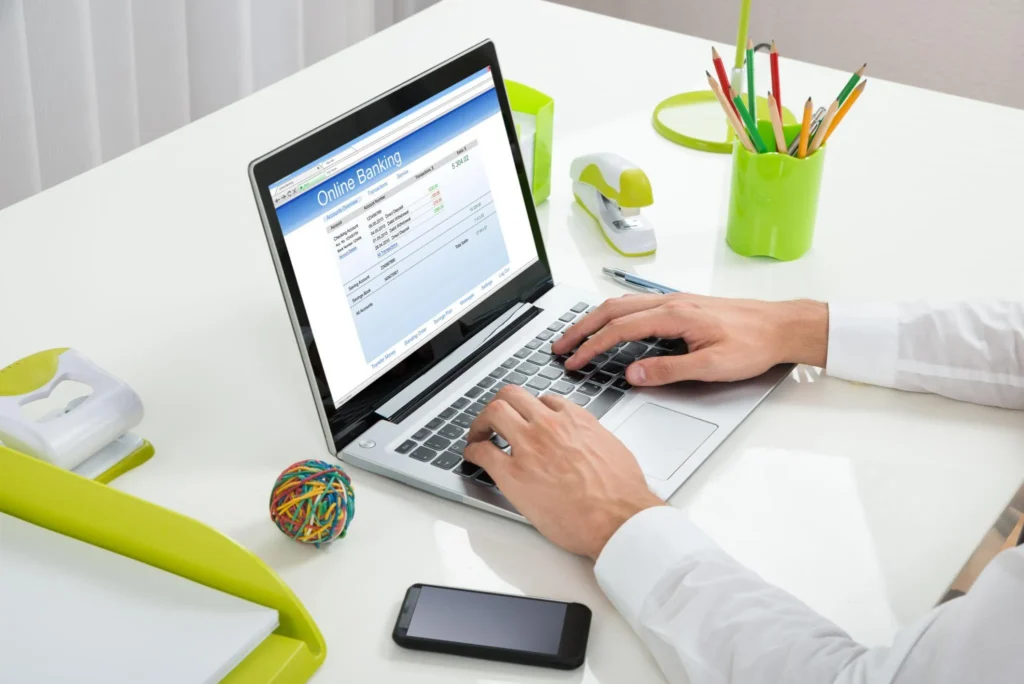
3. Online Banking Features to Look For
Modern businesses need speed.
Look for:
- Easy-to-use mobile app
- Instant transfers
- Real-time notifications
4. Integrations That Support Business Growth
A good bank connects with:
- Accounting software
- Payment gateways
- CRM tools
This saves hours of manual work.
5. Customer Support and Reliability
When issues happen, support matters.
Choose banks with:
- Fast response times
- Multiple support channels
- Business-specific assistance
Comparison Table: What to Look For
| Feature | Basic Account | Premium Account | Online Bank |
|---|---|---|---|
| Monthly Fee | Low | High | Very Low |
| Transaction Limit | Limited | High | Moderate |
| Online Banking | Basic | Advanced | Excellent |
| Customer Support | Standard | Priority | Online Only |
| Best For | Small startups | Growing businesses | Digital-first businesses |
Step-by-Step Process for Choosing the Right Business Bank Account
When choosing the right business bank account, follow this simple process:
- Identify your business needs
- Estimate monthly transactions
- Compare at least 3 banks
- Check hidden fees
- Read real customer reviews
- Test their mobile app if possible
Do not rush this decision.
Common Mistakes to Avoid
Many people make these mistakes when choosing the right business bank account:
- Choosing based on brand name only
- Ignoring hidden fees
- Not checking transaction limits
- Skipping mobile banking features
- Opening multiple accounts without need
Avoiding these can save you money and stress.
Pro Tips (From 10+ Years Experience)
Here are expert insights most articles miss:
- Start simple upgrade later when needed
- Always negotiate fees if your volume increases
- Keep personal and business finances separate
- Choose scalability over short-term savings
- Prefer banks that support automation
These small decisions make a big difference long term.
Advanced Insight: Future-Proof Your Banking Choice
When choosing the right business bank account, think ahead.
Ask yourself:
- Will my transactions increase in 6–12 months?
- Will I need international payments?
- Do I plan to integrate financial tools?
Choosing a scalable account now saves switching headaches later.
Frequently Asked Questions (FAQs)
1. What is the best bank account for small businesses?
The best option depends on your needs, but typically accounts with low fees and strong online features work best for small businesses.
2. Can I use a personal account for business?
It is not recommended. Separating finances is essential for legal, tax, and professional reasons.
3. How many business bank accounts should I have?
Start with one. Add more only if needed for budgeting, taxes, or expansion.
4. Is online banking better for businesses?
For most modern businesses, yes. It offers flexibility, lower costs, and faster transactions.
Final Thoughts
At the end of the day, choosing the right business bank account is about alignment. Not the cheapest. Not the most popular. But the one that fits your business workflow perfectly.
Take your time. Compare wisely. Think long-term.
Because the right banking decision today can save you thousands tomorrow & help your business grow without friction.

Contributing Editor for Alt Finances, specializing in financial strategy, investment research, and capital markets. Ahmed has extensive experience advising global clients and managing complex financial operations.