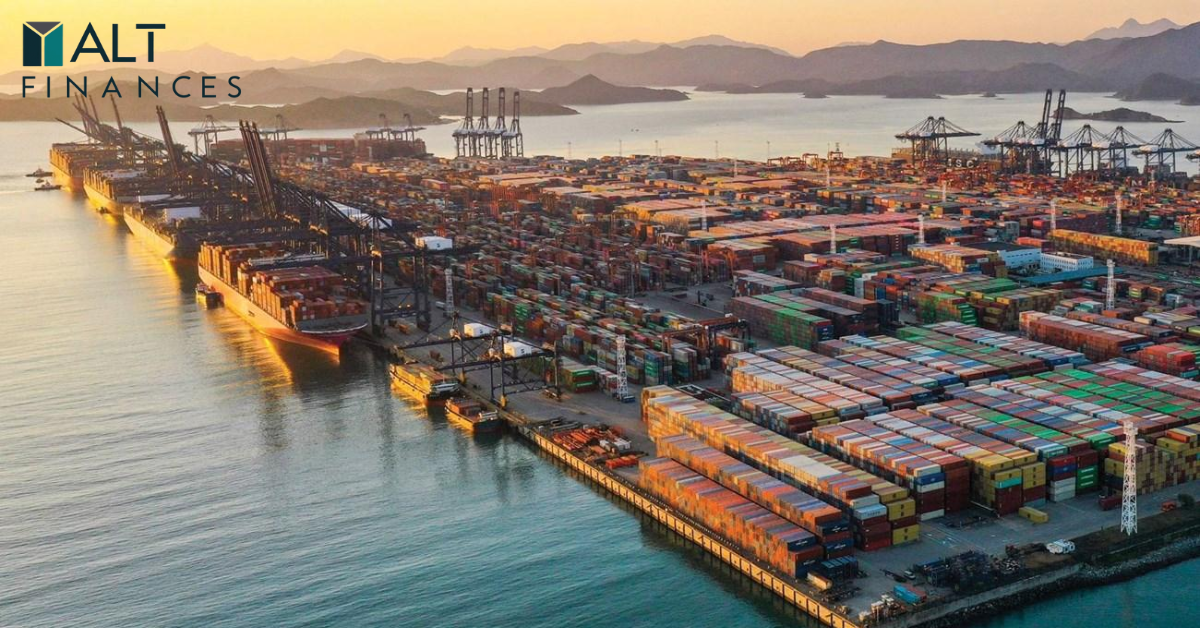
The FIFA World Cup has always been measured by packed stadiums, television audiences, and unforgettable sporting moments. Increasingly, however, sophisticated investors are watching a different scoreboard. Hotel REITs have emerged as one of the most closely monitored beneficiaries of global sporting events, as surging international travel transforms host cities into temporary economic hotspots. For hospitality-focused real estate investors, the tournament represents far more than a celebration of football it is a rare opportunity to capitalize on extraordinary demand, rising RevPAR, elevated hotel occupancy, and premium pricing across key commercial real estate markets.
Unlike many sectors that experience only indirect benefits from major sporting events, hospitality assets respond almost immediately to shifts in travel demand. International fans, corporate sponsors, media organizations, government delegations, and event personnel all compete for a finite number of hotel rooms. As occupancy tightens, operators gain pricing power, allowing average daily rates (ADR) to climb rapidly. Industry analysts have reported that hotel room rates in several World Cup host markets have increased by more than 80% year over year during peak tournament periods, creating localized but often substantial revenue windfalls for selected hotel owners and hospitality REITs.
That opportunity has attracted growing attention from institutional investors seeking alternative sources of income in an environment where traditional commercial real estate sectors continue to face structural challenges. While office markets grapple with hybrid work and retail adapts to changing consumer behavior, premium hotels located in high-demand destinations have demonstrated an ability to generate outsized cash flow during global events. Yet experienced investors also recognize that these gains are highly dependent on location, portfolio quality, operating efficiency, and broader tourism dynamics rather than the World Cup alone.
Understanding Hotel REITs
Hotel REITs are a specialized category of real estate investment trusts that own income-producing hotel properties while typically outsourcing day-to-day operations to established hospitality brands or professional management companies. This structure allows investors to gain exposure to hotel real estate without directly managing accommodation businesses, while benefiting from rental income, property appreciation, and distributions generated by the portfolio.
Unlike office or industrial REITs that often rely on long-term lease agreements, hotel properties effectively reprice their inventory every night. Every vacant room represents lost revenue that cannot be recovered later, making hotel performance exceptionally responsive to fluctuations in travel demand. During periods of elevated tourism, this dynamic enables revenue to accelerate far more quickly than in many other real estate sectors.
Several performance indicators help investors evaluate hospitality REITs, but three metrics remain especially important:
- Occupancy Rate: The percentage of available rooms that are sold.
- Average Daily Rate (ADR): The average revenue earned per occupied room.
- Revenue Per Available Room (RevPAR): A combined measure that reflects both occupancy and room pricing.
Among these, RevPAR has become the industry’s preferred benchmark because it captures the interaction between demand and pricing power rather than measuring either factor in isolation. A hotel may increase occupancy by discounting rooms, but sustained RevPAR growth generally signals healthier operating performance and stronger revenue generation.
For investors, the appeal extends beyond short-term earnings. Diversified hospitality REITs often own assets across luxury hotels, convention centers, resorts, urban business districts, and airport properties. This geographic and operational diversity can help moderate volatility while positioning portfolios to benefit from multiple travel trends, including leisure tourism, business travel, conferences, and global sporting events.
Institutional investors also monitor Funds From Operations (FFO), operating margins, debt levels, and capital allocation strategies alongside RevPAR. Strong revenue growth is valuable only when management converts it into sustainable cash flow while maintaining disciplined investment practices.
Why the FIFA World Cup Creates a Hospitality Windfall?
Few global events generate travel demand on the scale of the FIFA World Cup. Unlike many international conferences or seasonal tourism peaks, the tournament attracts millions of visitors within a compressed timeframe while concentrating activity across designated host cities. Hotels therefore experience simultaneous pressure from multiple customer groups, including supporters, national teams, broadcasters, corporate hospitality programs, sponsors, government officials, and security personnel.
This convergence produces an unusually favorable environment for hotel operators. Room inventories remain relatively fixed in the short term, yet demand expands dramatically. Basic economic principles take over as hotels increase room prices to reflect scarcity, often achieving both exceptionally high occupancy rates and significantly higher ADR at the same time.
Recent hospitality market reports have highlighted examples where room rates in several World Cup host markets have reportedly climbed by more than 80% compared with the previous year. Although these increases vary considerably by city, property type, and proximity to major venues, they illustrate how premium hospitality assets can temporarily acquire extraordinary pricing power during globally significant events.
Hotels located near stadiums, transportation hubs, entertainment districts, and city centers generally experience the strongest demand. Luxury properties often benefit from corporate hospitality packages and sponsor activity, while business hotels accommodate media organizations and event operations. Resort destinations connected to host regions may also attract travelers extending their stays before or after tournament matches.
The resulting improvement in RevPAR frequently exceeds what would normally be expected from seasonal tourism alone. Higher occupancy generates more room revenue, while elevated ADR magnifies profitability without requiring proportional increases in fixed property costs. For selected hospitality REITs with meaningful exposure to these markets, the World Cup can therefore deliver an unusually strong quarterly financial performance.
To better understand how different hospitality assets generate returns, it is useful to compare the primary drivers behind each property category.
Hotel Property Types and Their Core Investment Characteristics
| Hotel Property Type | Primary Revenue Driver | Typical Investor |
|---|---|---|
| Luxury Hotels | Premium ADR, corporate hospitality, international tourism | Institutional investors, pension funds |
| Business Hotels | Corporate travel, conferences, major events | REITs, private equity firms |
| Resort Properties | Leisure travel, destination tourism, extended stays | Long-term real estate investors |
| Extended-Stay Hotels | Consistent occupancy, project-based travelers | Income-focused investors and diversified REITs |
Each category responds differently to major sporting events. Luxury hotels often capture the greatest pricing premiums because affluent travelers and corporate guests place a higher value on proximity, service quality, and exclusive experiences. Business hotels benefit from operational demand created by broadcasters, sponsors, and event organizers, while resort properties frequently experience spillover tourism as visitors extend their holidays beyond match schedules.
These differences explain why experienced investors evaluate hotel portfolios at the property level rather than assuming every hospitality REIT will benefit equally from a global event. Successful investment outcomes depend not simply on participating in the hospitality sector but on owning the right assets in the right markets at the right time.
The Risks Behind Event-Driven Hotel Investing
The World Cup can create exceptional operating conditions for hospitality assets, but experienced investors rarely mistake a temporary earnings surge for a permanent shift in fundamentals. Event-driven investing demands discipline because extraordinary demand often fades as quickly as it arrives. Once the final whistle blows and international visitors return home, hotel markets typically begin to normalize.
That normalization affects the same metrics that climbed so rapidly during the tournament. Occupancy rates settle back toward seasonal averages, ADR becomes more competitive, and RevPAR growth moderates. Investors who value Hotel REITs solely on peak-event performance risk overlooking the cyclical nature of the hospitality industry.
Several factors determine whether a World Cup-related revenue boost translates into meaningful shareholder value:
- Portfolio exposure to host cities
- Operating margins after increased labor and security costs
- Debt levels and financing expenses
- Pricing discipline after demand normalizes
- Long-term tourism growth in host markets
Operating costs deserve particular attention. Hotels often face higher staffing expenses, enhanced security requirements, increased maintenance, and rising utility costs during mega-events. While revenue may climb sharply, margins do not always expand at the same pace. Investors therefore examine whether management successfully converts higher room rates into stronger Funds From Operations (FFO) rather than simply reporting impressive headline revenue.
Macroeconomic conditions also influence performance. Inflation, exchange-rate fluctuations, consumer spending patterns, and airline capacity all shape international travel demand. Even a globally celebrated sporting event cannot fully offset a broader economic slowdown if consumers become more cautious about discretionary travel.
The most successful hospitality investors understand that the World Cup acts as a powerful catalyst rather than a guarantee of superior returns. Portfolio quality, disciplined capital allocation, and management execution ultimately determine whether temporary demand becomes lasting shareholder value.
Comparing Hospitality Real Estate Opportunities
Hospitality investing is far from a one-size-fits-all strategy. Different hotel segments serve different traveler profiles, generate varying income streams, and respond differently to economic cycles. Understanding these distinctions helps investors identify which assets are best positioned to benefit from sports tourism while remaining resilient throughout the broader market cycle.
Luxury hotels typically command the highest ADR and enjoy considerable pricing power during global events. Their guests are often less sensitive to price increases, allowing these properties to capture premium revenue from corporate sponsors, executives, and affluent international travelers. However, luxury assets also require significant capital expenditure and carry higher operating complexity.
Business hotels generally deliver balanced performance by serving corporate travelers throughout the year while experiencing meaningful occupancy gains during major conventions and sporting events. Their diversified customer base often provides greater stability than purely leisure-focused properties.
Resort properties depend more heavily on destination appeal and seasonal tourism. While some World Cup visitors extend their trips into nearby leisure destinations, resort performance varies considerably depending on accessibility and regional travel patterns.
Extended-stay hotels occupy a different niche. Rather than relying on premium nightly rates, they often generate consistent occupancy from project workers, consultants, medical professionals, and long-term business travelers. Although these properties may not experience the same dramatic ADR spikes as luxury hotels, they frequently offer steadier cash flows throughout economic cycles.
The table below summarizes how different World Cup investment catalysts align with investor objectives.
World Cup Investment Catalysts and Investor Suitability
| World Cup Investment Catalyst | Potential Impact | Best Suited For |
|---|---|---|
| International tourism surge | Higher occupancy and RevPAR | Hospitality REIT investors |
| Premium room pricing | Strong ADR growth | Income-focused investors |
| Infrastructure investment | Long-term property appreciation | Institutional investors |
| Sports tourism expansion | Sustained travel demand | Commercial real estate funds |
| Portfolio diversification | Reduced concentration risk | Alternative investment portfolios |
For many institutional investors, hospitality assets complement broader commercial real estate allocations rather than replace them. Diversified portfolios that combine hotels with industrial, residential, and logistics properties may provide more balanced risk-adjusted returns across varying economic environments. The World Cup may temporarily elevate hospitality performance, but prudent capital allocation remains essential for long-term investment success.
The Future of Hotel REITs Beyond the World Cup
Although the World Cup lasts only a few weeks, its economic influence can extend well beyond the tournament itself. Host governments frequently invest billions in airports, public transportation, roads, entertainment districts, and urban redevelopment projects designed to accommodate international visitors. These infrastructure improvements often strengthen the long-term appeal of host cities for both tourists and businesses.
For Hotel REITs, that legacy can create opportunities that outlast the event. Improved connectivity may encourage future conferences, international exhibitions, and leisure travel, supporting occupancy levels long after the tournament concludes. Cities that successfully leverage global exposure often experience stronger tourism demand in subsequent years, benefiting hospitality assets with established market positions.
Institutional ownership within the hospitality sector is also evolving. Pension funds, sovereign wealth funds, insurance companies, and private equity firms increasingly view high-quality hotel assets as part of diversified alternative investment strategies. Rather than chasing short-term event-driven gains, these investors evaluate long-term demographic trends, international travel growth, asset quality, and management execution.
Future mega-events including continental championships, international expos, and global sporting competitions are likely to continue influencing hospitality investment decisions. Yet seasoned investors recognize that durable returns depend on owning resilient portfolios capable of performing across multiple market cycles rather than relying on isolated demand spikes.
Why Hotel REITs Are Becoming Strategic Tourism Investments?
The growing appeal of Hotel REITs reflects a broader transformation in global capital allocation. Investors are no longer viewing hospitality solely as an operating business; increasingly, they see premium hotel real estate as infrastructure supporting the global movement of people, commerce, and experiences.
Major sporting events illustrate this shift particularly well. They compress years of tourism demand into a matter of weeks, allowing well-positioned hotels to exercise remarkable pricing power through higher ADR, stronger occupancy, and exceptional RevPAR growth. Premium urban assets located near transportation networks, entertainment districts, and event venues often capture a disproportionate share of this revenue.
Institutional investors therefore analyze hospitality performance using a broader framework than tournament attendance alone. RevPAR trends, ADR growth, occupancy resilience, portfolio diversification, asset quality, redevelopment opportunities, and capital discipline all influence investment decisions. Diversified Hotel REITs generally possess greater flexibility to absorb market volatility than owners concentrated in a single property or city.
Frequently Asked Questions
What are Hotel REITs?
Hotel REITs are real estate investment trusts that own income-producing hotel properties. Investors gain exposure to hospitality real estate while professional operators typically manage the hotels. Returns depend on factors such as occupancy, ADR, RevPAR, portfolio quality, and operating efficiency.
How does the FIFA World Cup affect hotel revenues?
The tournament attracts millions of visitors, increasing demand for accommodation. Higher occupancy and premium room pricing often boost hotel revenues, particularly in host cities with limited room supply.
What is RevPAR?
Revenue Per Available Room (RevPAR) measures hotel performance by combining occupancy and average daily rate into a single metric. It is one of the most widely used indicators in the hospitality industry.
Why do hotel room rates increase during major sporting events?
Demand often exceeds available room supply as fans, sponsors, media organizations, and event staff compete for accommodation, giving hotels greater pricing power.
Are Hotel REITs good long-term investments?
They can be attractive for investors seeking exposure to hospitality real estate, but long-term performance depends on portfolio quality, management, tourism trends, leverage, and economic conditions rather than one-off events.
How do institutional investors evaluate hospitality REITs?
They analyze RevPAR, ADR, occupancy, Funds From Operations (FFO), operating margins, asset quality, debt levels, geographic diversification, and long-term capital allocation.
What are the biggest risks of investing in Hotel REITs?
Hospitality assets face cyclical travel demand, economic downturns, rising operating costs, interest-rate sensitivity, and post-event normalization after major tourism surges.
How does ADR affect hotel profitability?
Higher Average Daily Rates increase revenue for each occupied room. When combined with strong occupancy, ADR growth can significantly improve operating profitability.
Why do global events impact commercial real estate?
Large international events stimulate travel, business activity, infrastructure spending, and consumer demand, temporarily boosting performance across selected commercial real estate sectors, particularly hospitality.
Why are Hotel REITs attracting investors during the World Cup?
The combination of rising RevPAR, premium pricing, strong occupancy, and heightened international tourism creates opportunities for selected hospitality portfolios, although outcomes vary by market exposure and management execution.

Ana Goldenberg is a Contributing Editor at Alt Finances with a career rooted in the high-stakes worlds of banking and private placements. From profiling global philanthropists to managing complex financial operations at Wells Fargo, she bridges the gap between editorial storytelling and disciplined financial expertise.