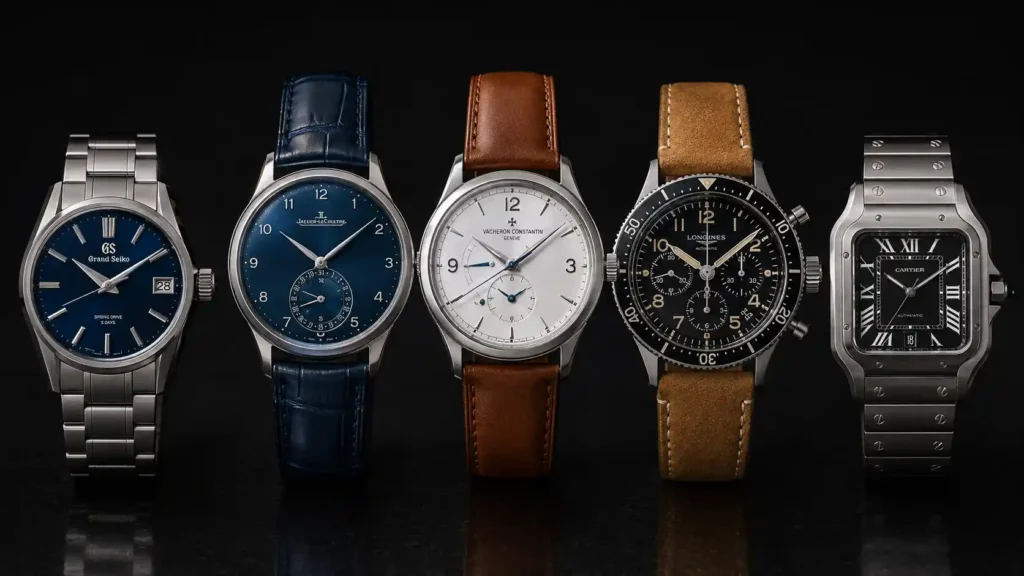
Rare watch collecting continues to thrive in an age dominated by smartphones, digital devices, and rapidly changing consumer trends. In fact, the enduring appeal of fine timepieces has little to do with simply telling time. Instead, collectors view exceptional watches as miniature works of art that combine engineering, history, and human craftsmanship.
Across the world, interest in luxury watches and other luxury collectibles has expanded significantly. Auction houses regularly report record-breaking sales, independent watchmakers attract waiting lists that stretch for years, and vintage watches continue to command extraordinary prices among discerning buyers. Yet the fascination extends beyond financial considerations. For many enthusiasts, horology represents a deeply personal pursuit one rooted in appreciation for craftsmanship, heritage, and the stories hidden within every movement.
The modern collector’s landscape is also changing. Younger buyers increasingly see high-end timepieces as tangible assets with emotional and cultural value. At the same time, iconic Swiss watches remain symbols of excellence and continuity in a rapidly digitizing world.
Ultimately, collecting rare watches reflects a broader shift toward appreciating objects with enduring meaning. In an era of mass production and instant consumption, rarity, craftsmanship, and authenticity have become more desirable than ever.
What Makes a Watch Truly Rare?
Not every expensive watch is genuinely rare. True rarity arises from a combination of scarcity, historical significance, exceptional craftsmanship, and collector demand.
Limited production often sits at the center of the equation. Watches produced in extremely small numbers naturally become difficult to obtain, particularly when they come from respected manufacturers or celebrated independent watchmakers.
Several characteristics typically contribute to rarity:
- Low production numbers
- Historical importance
- Unique complications or designs
- Exceptional provenance
- Association with influential collectors or notable owners
Provenance can significantly elevate a watch’s desirability. A timepiece once owned by a famous actor, athlete, or historical figure may command values far beyond its original retail price. Auction results repeatedly demonstrate how a compelling story can transform an already desirable watch into an iconic collector piece.
Craftsmanship also plays an essential role. Watches featuring hand-finished movements, intricate complications, and artisanal decoration require hundreds of hours of labor. Such production constraints naturally limit supply.
Independent watchmakers have become increasingly influential in this regard. Small ateliers frequently produce only a few dozen pieces each year, creating extraordinary exclusivity. Their creations appeal to collectors who seek originality and wish to own watches that exist outside mainstream luxury.
Consequently, rarity is rarely the product of a single factor. Instead, it emerges from a combination of scarcity, craftsmanship, provenance, and the emotional significance that collectors attach to particular timepieces.
Why Collectors Value Craftsmanship Over Trends?
The finest mechanical watches possess an enduring quality that trends cannot replicate.
In a world increasingly defined by technology and automation, collectors are drawn toward objects that celebrate human skill. A hand-assembled movement containing hundreds of components represents years of expertise and generations of accumulated knowledge.
Collectors frequently prioritize:
- Hand-finishing techniques
- Complex mechanical movements
- Artisanal engraving and decoration
- Heritage manufacturing methods
- Technical innovation
The appeal of horology lies partly in its contradiction. Mechanical watches are functionally obsolete because digital devices keep time more accurately. Yet that very obsolescence has elevated them into objects of fascination.
Watch craftsmanship also creates emotional connections. A beautifully finished movement viewed through a sapphire case back reveals details that only the owner may fully appreciate. The experience becomes deeply personal.
Heritage further strengthens this attachment. Many iconic Swiss watches have histories spanning more than a century. Ownership often feels like participation in an ongoing tradition rather than a simple purchase.
Independent watchmakers have added fresh energy to the industry by combining traditional craftsmanship with contemporary creativity. Their success illustrates that collectors increasingly seek authenticity and originality over logos or status symbols.
Ultimately, craftsmanship gives rare watches their lasting appeal. Trends come and go, but exceptional engineering and artistic excellence continue to captivate generation after generation.
Auctions, Scarcity, and the Global Collector Market
The modern watch market has been profoundly shaped by the rise of international auctions and digital collector communities.
Auction houses such as Phillips, Sotheby’s, and Christie’s have transformed rare watches into globally recognized luxury assets. Record-breaking sales generate headlines, attract new collectors, and reinforce the perception that exceptional timepieces possess enduring desirability.
At the same time, scarcity has become one of the most powerful forces in luxury collecting. Waiting lists for certain high-end timepieces can stretch for years, while discontinued models frequently appreciate in value due to constrained supply.
Different categories of collectible watches appeal to different types of buyers.
| Watch Category | Primary Appeal | Typical Collector |
|---|---|---|
| Vintage Watches | Historical significance and rarity | Experienced enthusiasts |
| Limited Edition Watches | Exclusivity and design uniqueness | Luxury lifestyle collectors |
| Independent Watchmakers | Artisanal craftsmanship and originality | Serious horology connoisseurs |
| Modern Production Icons | Brand prestige and accessibility | New and emerging collectors |
The growth of digital communities has also changed how collectors engage with the market. Forums, social platforms, and specialist publications have created unprecedented access to information. Buyers can research references, study historical records, and connect with collectors across the world.
However, increased transparency has also intensified competition. Exceptional pieces now attract global attention, making it increasingly difficult to acquire truly rare examples.
Authenticity and provenance have therefore become more important than ever. Collectors increasingly seek detailed service histories, original documentation, and verified ownership records before committing substantial sums.
The auction market ultimately reflects the broader appeal of rare watches. Scarcity may create demand, but history and craftsmanship sustain it over the long term.
Investment Potential and the Risks of Collecting
The extraordinary auction performance of certain watches has encouraged many buyers to view high-end timepieces as investment watches. While some pieces have delivered impressive returns, collecting should never be considered a guaranteed path to financial gain.
Watch values can fluctuate considerably.
Several factors influence performance:
- Economic conditions
- Supply and demand dynamics
- Condition and originality
- Provenance
- Brand popularity
- Collector sentiment
Liquidity presents another challenge. Unlike publicly traded assets, collectible watches often require specialized dealers or auction channels to achieve optimal pricing. Selling quickly may result in substantial discounts.
Authenticity also represents a critical risk. Counterfeit components, altered dials, and undocumented restorations can significantly reduce value. Consequently, serious collectors devote considerable attention to verification and due diligence.
Diversification remains equally important. Concentrating financial resources exclusively in luxury collectibles can expose investors to considerable market risk. Most experienced collectors therefore approach watches as part passion project and part alternative asset.
Furthermore, long-term ownership frequently produces the greatest satisfaction. Many remarkable collections were assembled over decades rather than through short-term speculation.
The market’s strongest performers often share common characteristics: exceptional rarity, impeccable provenance, and enduring cultural significance. Yet predicting future demand remains difficult, which is precisely why collectors are encouraged to buy watches they genuinely admire.
Comparing Different Types of Collectible Watches
Different categories of collector watches offer distinct advantages and appeal to different personalities.
Vintage watches remain highly desirable because they connect owners to history and often possess finite supply. Limited edition watches attract buyers seeking exclusivity and distinctive designs. Independent watchmakers appeal to connoisseurs who appreciate artistry and innovation, while modern production icons provide an accessible entry into collecting.
| Watch Type | Best Suited For | Long-Term Collector Appeal |
| Vintage Watches | History enthusiasts and experienced collectors | Extremely high when originality is preserved |
| Limited Edition Watches | Collectors seeking exclusivity | Strong but dependent on scarcity |
| Independent Watchmakers | Serious horology enthusiasts | Increasing due to craftsmanship and low production |
| Modern Production Icons | New collectors and luxury buyers | Consistently strong because of brand recognition |
Rarity varies considerably among these categories. A vintage reference produced decades ago may have only a handful of surviving examples, while a limited edition could still involve several thousand pieces.
Craftsmanship also differs. Independent watchmakers frequently produce extraordinary finishing that rivals or exceeds larger manufacturers. Meanwhile, modern production icons benefit from advanced manufacturing techniques and strong brand support.
Accessibility remains another important distinction. Entering the world of vintage collecting often requires extensive knowledge and patience, whereas modern production pieces are generally easier to research and maintain.
Ultimately, every category offers a different route into horology. The most successful collections often blend multiple styles and reflect the owner’s personal interests rather than rigid investment strategies.
The Future of Luxury Watch Collecting
The future of rare watch collecting appears remarkably resilient.
Younger generations are increasingly embracing mechanical watches despite growing up in a digital world. Many see ownership as a way to express individuality and appreciate craftsmanship that cannot be replicated by technology.
Several trends are shaping the future:
- Growing interest in independent brands
- Digital authentication technologies
- Increased global participation in auctions
- Greater emphasis on sustainability
- Rising appreciation for craftsmanship and heritage
Digital tools are improving transparency and authentication processes. Blockchain-based records and advanced archival services may eventually make provenance easier to verify.
Independent watchmakers are also likely to become increasingly influential. Their small production numbers and distinctive artistic visions align perfectly with contemporary preferences for exclusivity and authenticity.
Meanwhile, global wealth creation is expanding the collector base. Enthusiasts from Asia, the Middle East, and emerging markets continue to reshape demand patterns and introduce new perspectives into the watch market.
Although economic cycles may temporarily affect pricing, the underlying appeal of exceptional mechanical watches appears remarkably durable.
Unique Insight: Why Rare Watch Collecting Is Ultimately About Passion?
Rare watch collecting is often discussed through the language of investment and auction records. Yet the most meaningful collections are rarely built solely around financial considerations.
Exceptional watches preserve craftsmanship across generations. They embody the work of artisans, engineers, and designers whose skills may take decades to master.
Collectors increasingly seek stories rather than status alone. Provenance, historical context, and personal significance frequently matter as much as market value.
Scarcity undoubtedly creates exclusivity. However, heritage creates lasting desirability.
Independent watchmakers have further transformed collecting by proving that small-scale craftsmanship can rival the world’s largest luxury houses. Their success demonstrates that authenticity and creativity continue to matter deeply to collectors.
The finest collections also reveal something about their owners. They reflect patience, curiosity, and knowledge rather than simply financial resources.
While some rare watches achieve extraordinary prices at auction, the enduring value of horology lies in the remarkable intersection of engineering, artistry, history, and human craftsmanship. For many enthusiasts, ownership represents participation in a living tradition rather than merely acquiring another asset.
Conclusion
Rare watch collecting continues to captivate enthusiasts because it satisfies desires that extend far beyond ownership or financial return. It celebrates craftsmanship, preserves history, and offers a tangible connection to artistry in an increasingly digital world.
The appeal of luxury watches rests on a unique combination of rarity, engineering excellence, and emotional significance. Auction markets, independent watchmakers, and vintage treasures continue to shape demand, while new generations of collectors bring fresh perspectives to the hobby.
Importantly, collectible watches remain subject to market cycles, changing tastes, and valuation risks. Not every timepiece appreciates, and no watch should be viewed as a guaranteed investment.
Nevertheless, the enduring fascination with rare watches suggests something deeper. In an era of disposable products and instant gratification, exceptional timepieces remind us that true luxury often lies in patience, craftsmanship, and the stories objects carry through time.
Frequently Asked Questions
What is rare watch collecting?
Rare watch collecting is the pursuit of acquiring exceptional timepieces valued for their scarcity, craftsmanship, historical significance, and emotional appeal.
What makes a watch valuable to collectors?
Rarity, condition, provenance, craftsmanship, and cultural importance all contribute to collector value.
Are vintage watches better than modern limited editions?
Neither category is inherently better. Vintage watches offer historical significance, while limited editions provide exclusivity and contemporary appeal.
Why do collectors buy independent watchmakers?
Collectors appreciate their low production numbers, exceptional finishing, and original approaches to horology.
How important is provenance?
Provenance can dramatically affect value because it verifies authenticity and often adds historical significance.
Are luxury watches considered investments?
Some watches appreciate significantly, but values can also decline. They should be viewed as collectibles rather than guaranteed investments.
How do watch auctions influence prices?
Auctions establish market benchmarks, increase visibility, and often shape collector demand.
What risks should collectors consider?
Collectors should consider authenticity risks, liquidity concerns, changing market preferences, and economic cycles.
How can buyers verify authenticity?
Working with reputable dealers, obtaining service records, and securing expert opinions are essential steps.
Why is Rare watch collecting still growing worldwide?
Rare watch collecting continues to grow because collectors increasingly value craftsmanship, heritage, scarcity, and the emotional connection that exceptional timepieces provide.

Administrator at Alt Finances, leading editorial strategy and contributing in-depth coverage of investing, wealth management, alternative assets, and global financial markets. Through research-driven articles and analysis, he helps readers understand the ideas, industries, and market forces shaping modern finance.