For years, SpaceX was the great white whale of investing. Everyone wanted in. Almost no one could get there. The company was private, Elon Musk showed little interest in the public markets, and the shares that did trade on secondary platforms were thinly available and expensively priced. Investors watched from the outside as one of the most consequential companies of the modern era grew largely out of reach.
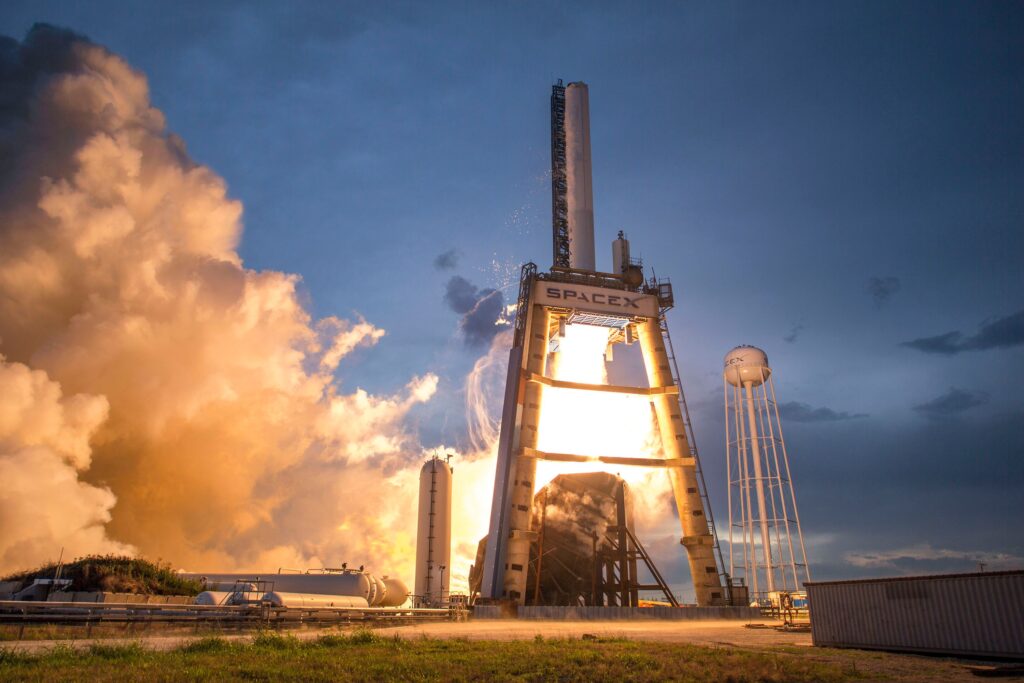
That changed on June 12, 2026. SpaceX listed on the Nasdaq under the ticker SPCX, priced at $135 per share, and proceeded to execute what became the largest initial public offering in history. The excitement was real. So were the complications. And for ordinary investors trying to figure out what to do now, the picture is considerably more nuanced than the headlines suggested.
What Happened on IPO Day
SpaceX raised $75 billion before underwriters exercised their overallotment option, completing the biggest IPO in history. The stock opened at $150 and hit a session high of $168.75 before closing the day around $161, roughly 19% above the IPO price.
By the first full trading day on Monday, shares climbed another 20%, with roughly 244 million shares changing hands. Within days, the stock had surged to around $202 per share, nearly 50% above the IPO price, pushing SpaceX’s market capitalization above $2 trillion and making it the fifth-largest company in the world by market cap, surpassing Amazon and Meta.
The demand had been building for months. When order books closed on June 10, they were roughly four times oversubscribed, with more than $250 billion in orders against the $75 billion raise. The company had filed confidentially for the IPO on April 1 before making its S-1 public in May, using an unusual fixed-price structure with no traditional bookbuild range, unprecedented at this scale.
What SpaceX Actually Is Now
The company that went public in June 2026 is not quite the SpaceX that most people have in their heads. It is no longer purely a rocket company.
In February, Musk merged SpaceX with his artificial intelligence startup xAI, making the combined entity a sprawling aerospace, satellite, and AI conglomerate. Starlink, SpaceX’s satellite internet division, remains the company’s only profitable segment and its largest revenue generator. The rocket launch business, for all its engineering drama, is a cost center. The AI ambitions are early stage and capital intensive.
SpaceX reported a loss of nearly $5 billion in 2025, even as revenue reached $18.7 billion. Musk told investors the company might reach approximately $1 trillion in revenue by 2030, a projection that requires extraordinary growth across multiple businesses simultaneously.
The Valuation Debate
This is where the investment case gets genuinely complicated, and where reasonable analysts are landing in very different places.
One fundamentals-based analysis puts SpaceX’s fair value near $1.25 trillion using a sum-of-the-parts approach across its major business segments, roughly half the market price at the time of writing. CFRA initiated coverage with a sell rating and a 12-month price target of $115, citing the company’s extremely ambitious growth strategy, elevated valuation expectations, and significant capital intensity. The firm noted that capital expenditures in the first quarter of 2026 totaled $10.1 billion, more than double the $4.1 billion spent in the same period the prior year, with the majority directed toward artificial intelligence infrastructure.
More bullish analysts see a different story. NewStreet Research initiated coverage with a $165 price target, arguing that SpaceX has at least a 10-year lead over competitors in rocket launch capabilities, but cautioning that justifying the current valuation requires looking out over a 20 to 25-year time frame.
Morningstar’s chief multi-asset strategist noted that demand for the stock appeared driven partly by media frenzy and the allure of getting into a company early, patterns consistent with other large IPOs.
What Retail Investors Actually Experienced
For ordinary investors who had been waiting years for this moment, the IPO itself delivered a sobering lesson in how public offerings actually work.
Retail investors who applied for shares through platforms like Robinhood and Charles Schwab received only a fraction of what they requested. Across online forums, users reported allocations as small as a single share despite requesting far larger amounts.
Those who did receive shares responded differently. Some sold immediately into the debut. Others held, viewing SpaceX as a rare long-term opportunity tied to the growth of Starlink and commercial space exploration. Many who held expressed concern about what happens when lockup restrictions expire and significantly more shares become available for trading, a development that historically puts downward pressure on newly listed stocks.
One structural factor that accelerated early demand was a Nasdaq rule change permitting fast entry to the Nasdaq-100 for some major IPOs, meaning index funds and 401(k) products tracking that index would need to buy SpaceX shares quickly to maintain their benchmarks. That forced buying added upward price pressure that may not reflect fundamental conviction.
The Questions Every Investor Should Ask
SpaceX is genuinely extraordinary as a business and as an engineering organization. Its reusable rocket technology transformed the economics of space access. Starlink has real customers paying real subscription fees in markets that had limited connectivity options. The ambitions are enormous and, in some cases, plausibly achievable.
But ambition and investment returns are not the same thing. The price you pay relative to what a business is worth today and what it can reasonably earn in the future is what determines whether an investment works. At a valuation above $2 trillion for a company losing billions annually and projecting explosive growth across multiple unproven business lines, the math demands extraordinary faith in a very specific future.
That does not make SpaceX a bad company. It makes it an expensive stock, at least at current prices, where much of the optimism about the next decade is already reflected in the share price. The investors most likely to do well over a long horizon are those who understand what they own, have a realistic view of the risks, and are not buying simply because the story is exciting and the debut was historic.
What to Do If You Are Considering Buying Now
If you missed the IPO allocation and are watching the stock trade at a significant premium to its offering price, the first question is not whether SpaceX is a great company. It almost certainly is. The question is whether it is a great stock at this price.
Historically, buying into the euphoria of a record-breaking IPO in the days and weeks immediately following the debut has produced mixed results for retail investors. The initial float is small. Early buyers include insiders and institutional investors who got in at lower prices and may sell as lockup periods expire. Price discovery takes time.
A more patient approach, waiting for volatility to settle, for additional financial disclosures to emerge, and for the lockup expiration wave to pass, may offer better entry points than the current momentum-driven environment provides. For long-term investors with genuine conviction in SpaceX’s business model and decade-long patience, a modest position is not unreasonable. For those chasing the headline, history suggests that rarely ends as well as the story sounds.

Contributing Editor for Alt Finances, specializing in financial strategy, investment research, and capital markets. Ahmed has extensive experience advising global clients and managing complex financial operations.