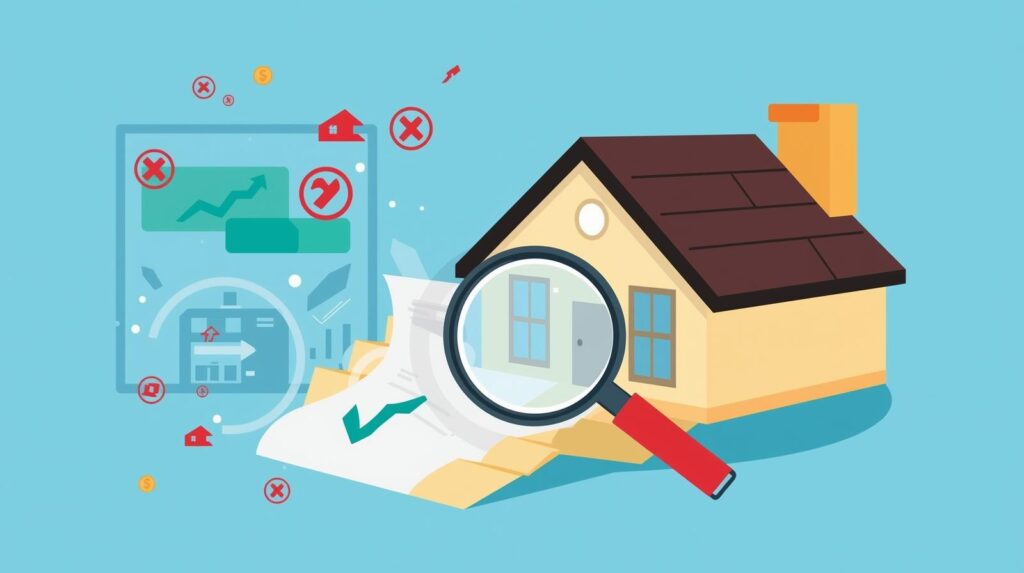
Mortgage refinancing mistakes occurs when homeowners make errors in refinancing that increase costs, reduce savings, or harm finances.
Mortgage lenders differ significantly in interest rates, fees, loan terms, and customer service. Accepting the first offer or refinancing with your current lender purely for convenience can mean missing out on better deals. Even minor reductions in interest rates or fees can save thousands over the life of a mortgage. Experts recommend obtaining quotes from at least three lenders to compare APRs, closing costs, and loan terms. Shopping around ensures you maximize savings and make informed financial choices. You can refer this For more detailed Refinancing Tips.
Mortgage Refinancing Mistakes: Closing Costs & Break-Even

One of the most common mistakes is focusing solely on lower monthly payments while overlooking the costs associated with refinancing. Like your original mortgage, refinancing comes with mortgage refinancing closing costs, including lender fees, appraisal fees, title search charges, and administrative expenses. These typically range between 2% and 5% of the loan amount.
For example, on a $300,000 mortgage, closing costs could total between $6,000 and $15,000. Some homeowners choose to roll these costs into their new loan balance, which may seem convenient but increases the principal and ultimately results in more interest over time.
Before refinancing, calculate your break-even point the time it will take for the monthly savings from a lower payment to offset the closing costs. If you plan to move or sell before reaching this point, refinancing may actually cost more than it saves.
Obsessing Over Interest Rate Instead of APR
A low advertised interest rate can be enticing, but it doesn’t always mean the best deal. Many borrowers focus on the nominal rate while ignoring the total cost of borrowing.
The Annual Percentage Rate (APR) provides a more complete picture because it includes the interest rate plus all fees and additional charges. Sometimes, a slightly higher interest rate with lower fees can be cheaper overall.
Key points to remember:
- APR reflects the total cost of your loan.
- Compare APRs, not just interest rates.
- Understanding the difference between interest rate and APR ensures you select the loan that truly saves money over time.
Mortgage Refinancing Mistakes: Resetting Your Loan Term

Another common error is refinancing into a new 30-year mortgage after already paying down a significant portion of the existing loan. While a lower interest rate may seem appealing, restarting the loan term can substantially increase the total interest paid.
Refinancing resets the amortization schedule, extending the repayment period and increasing total interest over the life of the loan. For instance, if you’ve already paid seven years on your mortgage and refinance into a new 30-year term, you could end up paying for your home for 37 years in total.
To maximize savings and build equity faster, consider shorter-term refinances, such as 15- or 20-year options, when possible. Understanding how resetting mortgage terms impacts your finances is crucial to avoid unnecessary long-term costs.
Choosing a Cash-Out Refinance Without Comparing Alternatives
Cash-Out Refinancing
- Unlock equity for cash
- Replaces mortgage, may cost more
Alternatives
- Home equity loan or HELOC
- Keep current mortgage, compare costs
Refinancing Too Often
Interest rates fluctuate constantly, and while a rate drop can be tempting, refinancing too frequently is costly. Each refinancing transaction involves closing costs and resets your break-even calculation. Repeatedly paying these fees can erode your potential savings over time.
Before pursuing a new refinance, evaluate whether the long-term savings outweigh the costs. While there’s no strict rule for frequency, multiple refinances in a short period can diminish financial benefits. Awareness of this risk is critical when planning your refinancing strategy.
Failing to Shop Around: A Common Mortgage Refinancing Mistake
Compare Lenders Carefully
Interest rates, fees, terms, and service vary widely. Don’t accept the first offer; better deals may exist. Small rate or fee differences can save thousands. Get quotes from at least three lenders to compare APRs and closing costs, and check current mortgage rates today to make an informed decision before refinancing.
Conclusion
Mortgage refinancing mistakes are common but avoidable with careful planning and research. By paying attention to closing costs, understanding the difference between interest rate and APR, evaluating the impact of resetting your loan term, weighing cash-out options, avoiding frequent refinancing, and comparing lenders, homeowners can protect their financial interests.
Taking the time to analyze mortgage refinance savings and consulting trusted professionals ensures any refinance aligns with your long-term goals, maximizing both savings and financial security.
Frequently Asked Questions
How do I know if refinancing is worth it?
Calculate the break-even point based on closing costs and monthly savings. If you plan to remain in your home beyond this period, refinancing is likely worthwhile.
What is the difference between interest rate and APR?
The interest rate applies only to the principal, while APR includes both interest and fees, offering a complete picture of the loan’s total cost.
Should I refinance if rates drop slightly?
Not always. Small rate reductions may not justify the cost of refinancing unless you stay in your home long enough to recoup closing costs and achieve meaningful savings.
Can refinancing hurt my credit score?
Refinancing can cause a temporary dip in your credit score due to a hard inquiry and opening a new loan account. However, the impact is usually minor and short-lived if you manage your credit responsibly.

Contributing Writer for Alt Finances with experience in luxury events, travel, fashion, and the arts. Active investor through her family office across real estate, energy, and private equity. University of Miami – BBA.