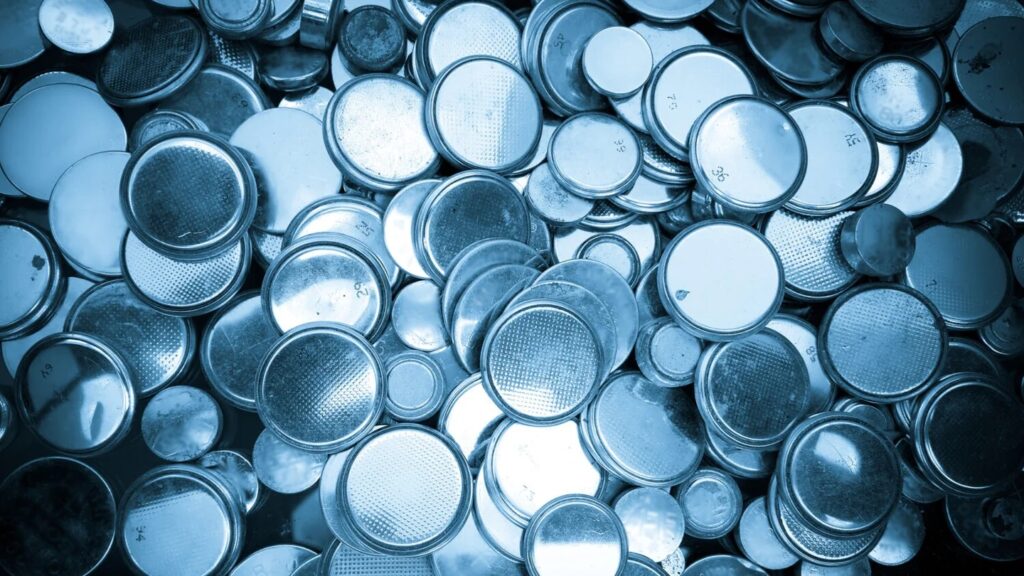
As the world shifts toward sustainable energy and electric transportation, lithium has become one of the most valuable natural resources of the 21st century. It plays a critical role in powering electric vehicle (EV) batteries, renewable energy storage systems, and consumer electronics. At the heart of this growing demand lies a crucial link in the supply chain: the lithium refining business.
This sector focuses on transforming raw lithium ore or brine into high-purity lithium compounds suitable for use in lithium-ion batteries and other advanced technologies. If you’re exploring opportunities in emerging energy markets, the lithium refining industry is one of the most promising ventures to consider.
What Is a Lithium Refining Business?
A lithium refining business processes raw lithium into usable chemical forms such as lithium carbonate, lithium hydroxide, or lithium chloride. These refined products are essential for battery production, especially in EVs and grid-scale storage.
Lithium typically comes from two sources:
Lithium Brine: Extracted from salt flats (salars), especially in South America.
Hard Rock (Spodumene): Mined from rock deposits, mainly in Australia and parts of North America.
Refining involves multiple stages including concentration, purification, and conversion into battery-grade materials. The business requires advanced chemical processing, regulatory compliance, and careful environmental management.
Why Invest in Lithium Refining?
| Reason | Benefit |
|---|---|
| Rising EV Demand | Global EV sales are driving up lithium demand for batteries |
| Energy Storage Expansion | Lithium is crucial for storing renewable energy like solar and wind |
| Government Incentives | Many countries are offering subsidies for local lithium processing |
| Global Supply Chain Needs | Companies seek reliable sources of refined lithium to avoid shortages |
| High Market Value | Lithium prices have surged, offering significant profit potential |
By investing in refining rather than mining, businesses can move up the value chain and tap into more lucrative segments of the lithium economy.
Key Processes in Lithium Refining
The refinement of lithium depends on its source, but the end goal remains the same: creating a high-purity compound ready for battery production.
1. Extraction
From brine: Pumped into evaporation ponds, where lithium is concentrated.
From hard rock: Crushed and heated to extract spodumene.
2. Conversion
Lithium is converted into lithium carbonate or lithium hydroxide via chemical processes.
This stage often includes leaching, precipitation, and calcination.
3. Purification
Impurities like sodium, calcium, or magnesium are removed.
Refining must meet battery-grade purity standards (usually 99.5% or higher).
4. Packaging and Delivery
The final product is packaged and shipped to battery manufacturers, mainly in Asia, Europe, and North America.
Starting a Lithium Refining Business: What You Need
Launching a lithium refining operation is capital-intensive and requires careful planning. Here’s what’s involved:
| Requirement | Description |
|---|---|
| Permits and Environmental Approvals | Strict regulations govern lithium processing due to environmental risks |
| Location | Proximity to lithium sources and logistics hubs is crucial |
| Technology and Equipment | Need for advanced chemical reactors, filtration systems, and control units |
| Skilled Workforce | Chemical engineers, environmental experts, and technicians are essential |
| Capital Investment | Initial costs range from millions to hundreds of millions, depending on scale |
| Financial Planning | Hiring a Small Business Accountant can help structure your finances, manage capital flow, and maintain regulatory compliance |
A well-structured financial foundation is critical, especially in a market with price fluctuations and long development timelines.
Challenges in the Lithium Refining Industry
While the opportunities are immense, the lithium refining business also comes with challenges:
High Capital Expenditure: Refining plants are expensive to build and operate.
Environmental Scrutiny: Emissions, water use, and waste management must meet strict standards.
Technological Complexity: Chemical refinement requires precision and safety.
Market Volatility: Lithium prices are influenced by global supply-demand shifts and policy changes.
Geopolitical Risks: Most lithium resources are concentrated in specific regions, raising trade dependency concerns.
Navigating these challenges requires strong leadership, technical knowledge, and expert financial oversight.
Opportunities for Innovation
Green Refining Technologies: Innovations in solvent extraction, direct lithium extraction (DLE), and closed-loop water systems are reducing the environmental footprint.
Vertical Integration: Companies are increasingly controlling both mining and refining to optimize cost and supply security.
Recycling Lithium: Recovering lithium from used batteries is a growing complementary sector.
Those who innovate in refining efficiency and sustainability can gain a significant edge in this rapidly evolving industry.
FAQs About the Lithium Refining Business
Is lithium refining profitable?
Yes, particularly when lithium prices are high and demand is rising. However, it requires significant upfront investment and operational efficiency to ensure profitability.
How long does it take to build a lithium refinery?
Depending on the size and regulatory environment, building a lithium refinery can take 2 to 5 years, including permitting, construction, and commissioning.
What’s the difference between lithium carbonate and lithium hydroxide?
Lithium carbonate is more common in consumer electronics, while lithium hydroxide is preferred for high-performance EV batteries due to higher energy density.
Can a small business enter the lithium refining space?
While most operations are large-scale, small businesses can contribute through niche refining, chemical innovations, or specialized services. Proper financial guidance from a Small Business Accountant can help navigate startup costs and investment options.
Where are most lithium refineries located?
Current refining operations are concentrated in China, Australia, and Chile, but North America and Europe are increasing capacity to support domestic battery manufacturing.
Conclusion
The lithium refining business is at the core of the clean energy revolution. With the surge in electric vehicles, renewable energy storage, and global green initiatives, refined lithium is more in demand than ever. Entering this industry requires significant capital, advanced technology, and environmental responsibility—but the rewards can be transformative.
By focusing on innovation, sustainability, and sound financial planning, entrepreneurs and investors can position themselves for long-term success in this dynamic market. Whether you’re building from the ground up or seeking a foothold through partnerships or services, the lithium refining sector offers a wealth of opportunity for those ready to meet the challenge.

Kaleem Afzal Khan is a finance and investment writer specializing in alternative investments, wealth-building strategies, global economic trends, and emerging financial opportunities. His work focuses on helping readers understand complex financial concepts through clear, research-driven analysis and practical insights.
With a strong background in engineering, project management, and analytical problem-solving, Kaleem brings a data-oriented perspective to investment research, market developments, and long-term wealth creation. He regularly explores topics including private markets, infrastructure investments, cryptocurrency trends, personal finance, and macroeconomic developments that shape the future of capital allocation.
Through his writing, Kaleem aims to bridge the gap between institutional-level financial knowledge and everyday investors, empowering readers to make informed financial decisions in an increasingly complex economic landscape.