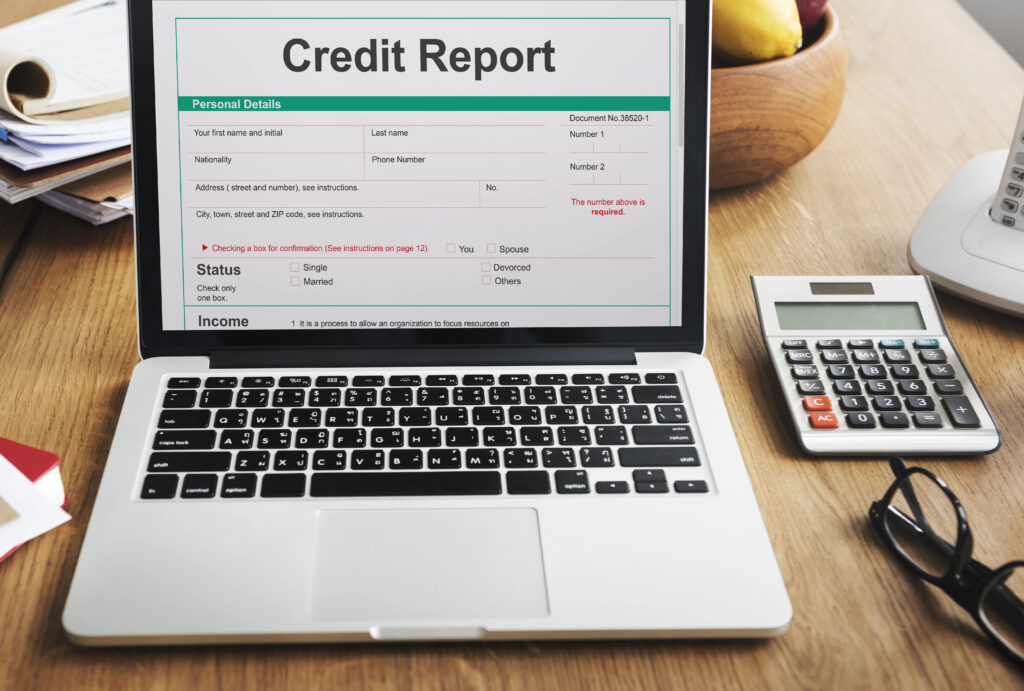
Most people do not think about their credit until something goes wrong. A loan gets denied. A strange account appears on a statement. A debt collector calls about something they have never heard of. By that point, the damage is already done and often has been quietly building for months.
Free credit monitoring exists precisely to prevent that scenario. It keeps a continuous eye on your credit profile and alerts you when something changes, giving you the chance to act before a minor problem becomes a major one. It costs nothing to set up, takes less than ten minutes, and is one of the most underused financial tools available to ordinary people.
Here is what it actually does, what it does not do, and how to get started.
What Free Credit Monitoring Actually Does
At its core, credit monitoring watches your credit report for changes and sends you an alert when one occurs. Those changes can include a new account being opened in your name, a hard inquiry from a lender, a change in your credit score, a missed payment being reported, or a public record like a bankruptcy or judgment appearing on your file.
The value is in the speed. Without monitoring, you might not notice fraudulent activity until you pull your annual credit report, which most people do infrequently if at all. With monitoring, you get notified quickly, often within 24 hours of a change, which dramatically improves your ability to respond and contain the damage.
Most free services monitor one or more of the three major credit bureaus: Equifax, Experian, and TransUnion. Some monitor all three simultaneously, which is the most comprehensive coverage since not every lender reports to every bureau.
What Free Monitoring Does Not Cover
It is worth being clear about the limits. Credit monitoring is not identity theft insurance. It does not prevent fraud from happening. It does not monitor your bank accounts, your Social Security number activity across all platforms, or your dark web exposure, unless you upgrade to a paid plan.
It is also reactive, not preventive. An alert tells you something has already occurred. The protection comes from how quickly you respond. That distinction matters because some people assume monitoring is a shield when it is really an early warning system.
For stronger protection, a credit freeze, which is always free by law, actually prevents new accounts from being opened in your name without your explicit authorization. Monitoring and a freeze together form a genuinely robust defense.
The Best Free Options Worth Using
Several reputable services offer legitimate free credit monitoring with no hidden fees or mandatory credit card on file.
Credit Karma monitors your TransUnion and Equifax reports and updates your scores weekly. It is one of the most widely used free platforms and has a clean, readable interface that makes it easy to understand what is happening with your credit at a glance.
Experian’s free tier monitors your Experian report and sends alerts for new inquiries and accounts. It also provides a free FICO score, which is the scoring model most lenders actually use, making it more practically useful than the VantageScore many other free services provide.
Credit Sesame offers free TransUnion monitoring along with a basic identity theft insurance policy, which adds a layer of value beyond pure score tracking.
If you have a bank account or credit card, check whether your financial institution offers free monitoring as a built-in benefit. Many major banks and card issuers now include it at no charge, and it is worth activating if you have not already.
How to Get the Most Out of It
Setting up monitoring is the easy part. The habit that makes it valuable is actually reading the alerts when they arrive rather than dismissing them as notifications.
When an alert comes in, verify it immediately. If you recognize the activity, no action is needed. If something looks unfamiliar, pull your full credit report at AnnualCreditReport.com, the only federally authorized free report site, and review it carefully. If you spot something fraudulent, place a fraud alert with the bureaus, file a report with the Federal Trade Commission at IdentityTheft.gov, and contact the relevant creditor directly.
The entire response process, when done promptly, is manageable. The same situation discovered six months later is far more complicated.
Your Credit Is Worth Watching
Your credit score affects your ability to rent an apartment, qualify for a mortgage, get a car loan at a reasonable rate, and in some cases land a job. It is one of the most consequential numbers in your financial life, and for most of its history it has been largely invisible to the people it affects most.
Free credit monitoring changes that. It gives you visibility, early warning, and the chance to act rather than react. There is no good reason not to use it, and there is no cost to starting today.

Contributing Editor for Alt Finances, specializing in financial strategy, investment research, and capital markets. Ahmed has extensive experience advising global clients and managing complex financial operations.