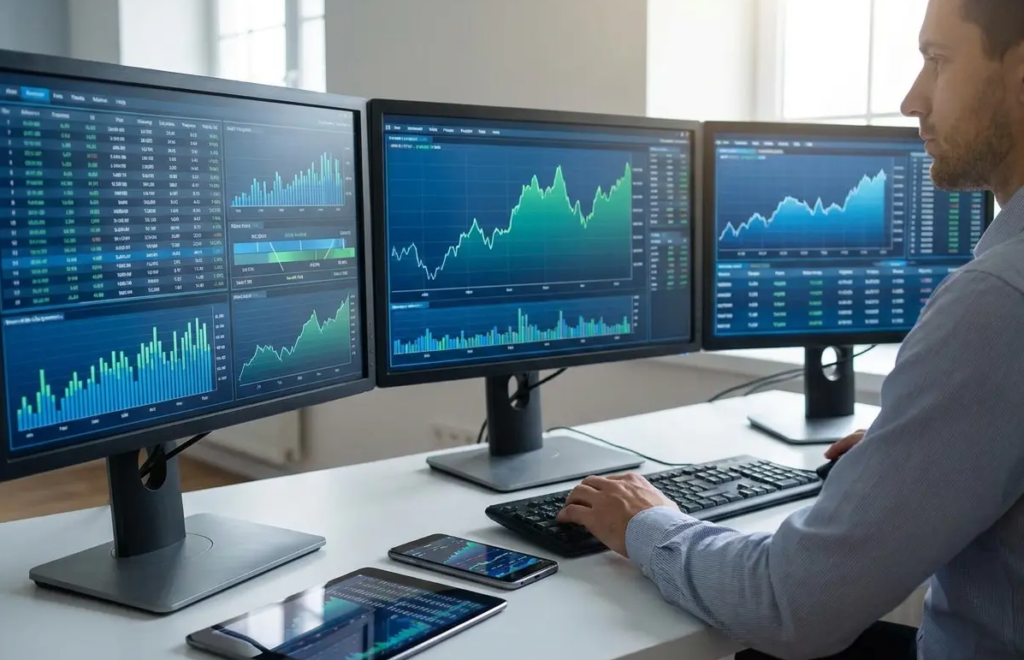
Watching the stock market index fluctuate minute by minute provides a thrilling perspective on global economics. Investors who monitor the dow jones live gain an immediate advantage over those reading outdated financial reports. Real-time index movements reflect the collective sentiment of millions of traders processing global events instantly.
The Dow Jones Industrial Average remains the most widely recognized barometer of the United States stock market. Comprising thirty massive blue-chip stocks, this index acts as a heartbeat monitor for American corporate health. When you track the DJIA numbers continuously, you can identify short-term trends before they become obvious to retail investors.
Making informed financial decisions requires access to the most current live stock quotes available during trading hours. Relying on delayed quotes can cost active traders significant capital during periods of high volatility. By utilizing a continuous feed, you position yourself to react instantly to sudden economic shifts or corporate announcements.
The Dow operates as a price-weighted index rather than relying on market capitalization like the broader averages. This structural difference means that stocks with higher share prices exert more influence over the daily movements. A significant move in a high-priced stock will swing the index heavily, regardless of the company valuation.
Charles Dow created this specific measurement tool to track heavy industry companies operating across the country. Today, the composition includes technology giants, financial institutions, and consumer goods conglomerates that dominate the American economy. The committee responsible for stock selection occasionally replaces companies to better reflect current economic realities.
Watching the dow jones live helps you understand how different sectors react to breaking economic news stories. Have you ever considered why a sudden spike in crude oil prices instantly crushes major transportation stocks? You must observe these daily sector rotations closely to adjust your personal investment strategy accordingly.
- The Dow operates as a price-weighted index, giving higher-priced stocks significantly more influence.
- Continuous tracking allows you to spot sector rotations before retail crowds notice the trend.
- Live data provides a massive analytical advantage over delayed fifteen-minute market quotes.
Real-Time Market Data: Why Tracking Dow Jones Live and DJIA Matters for Your Portfolio
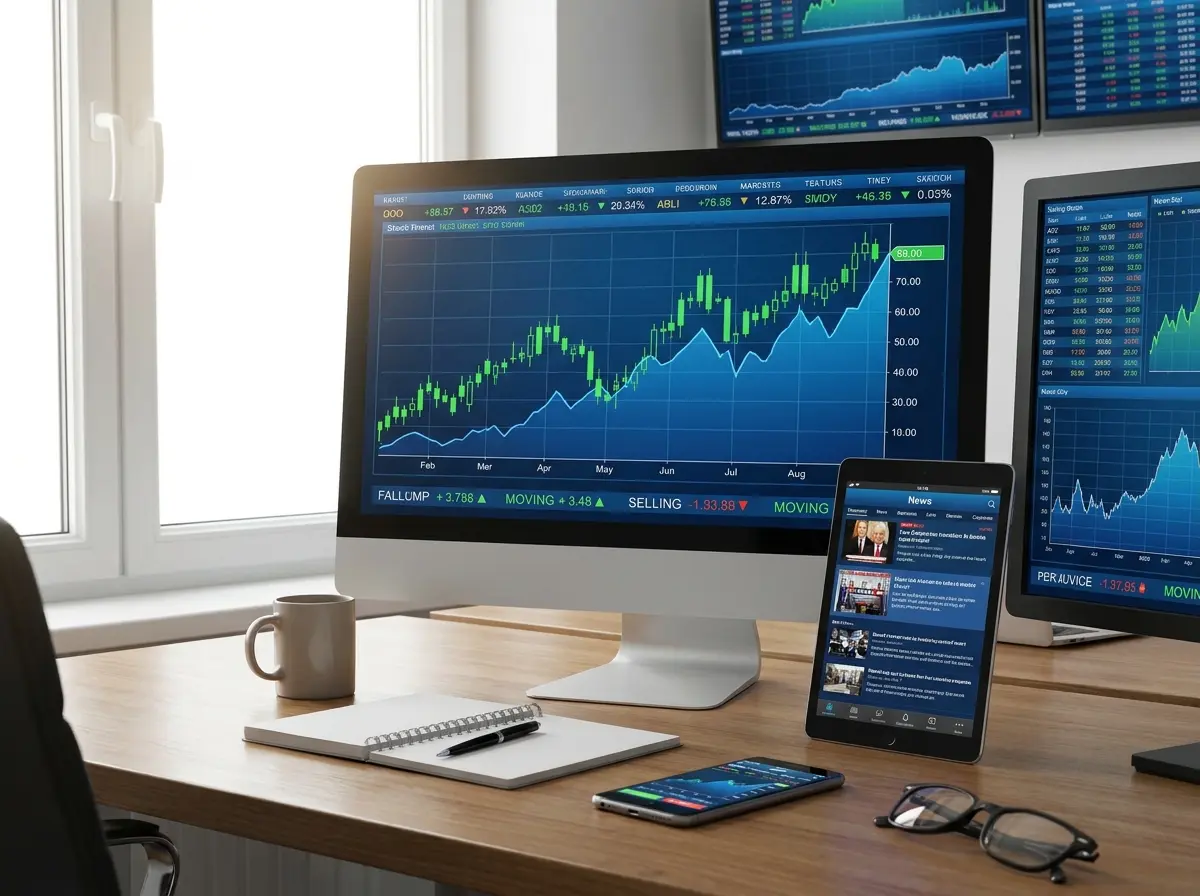
Institutional investors spend millions of dollars annually to access real-time market data milliseconds before the general public. While retail traders cannot compete with high-frequency algorithms, watching a live feed levels the playing field significantly. You need immediate access to price action to execute limit orders at your preferred entry points.
Market volatility often peaks during the first and last hours of the regular daily trading session. These specific windows provide substantial opportunities for day traders to capitalize on rapid price fluctuations. Observing the dow jones live during the opening bell reveals the overnight sentiment accumulated from international stock market news sources.
Delayed market data typically lags behind the actual exchange pricing by at least fifteen full minutes. A quarter of an hour represents an eternity during a sudden market crash or unexpected earnings beat. You must rely on uninterrupted data streams to prevent executing trades based on completely outdated pricing information.
Delayed market data typically lags by fifteen minutes, which represents an eternity during a sudden market crash. Never execute active trades based on free, delayed quotes from standard finance portals.
The Impact of High-Frequency Trading
Algorithmic trading programs now execute the vast majority of daily transactions on major American stock exchanges. These computer systems process news headlines and economic reports faster than any human operator could possibly manage. This automation creates sudden, sharp index movements that live viewers can witness and react to immediately.
Understanding these computer-driven patterns requires you to spend significant time analyzing real-time chart formations every day. Spikes in trading volume often precede major directional shifts in the broader index valuation across the board. By keeping a close eye on the live ticker, you can spot these volume surges as they materialize.
How to Monitor the Dow Jones Live Market and Live Stock Quotes Like a Professional
Setting up a proper trading desk involves more than simply opening a browser tab to a financial website. You need dedicated software that connects directly to the exchange data feeds without any unnecessary buffering delays. Professional traders utilize multiple monitors to separate their live charts, news aggregators, and order execution platforms.
Your hardware configuration plays an equally critical role in maintaining a stable connection to the financial markets. A dropped internet signal during a massive selloff can trap you in a losing position without any exit. Investing in a wired ethernet connection and a backup power supply protects your capital from technical failures.
Choosing the right brokerage platform ultimately determines the quality of the data streaming directly to your screens. Some discount brokers throttle their data feeds to save money on expensive commercial exchange licensing fees. You must select a reputable firm that prioritizes speed and reliability over flashy interface designs.
How to Configure Your Live Trading Dashboard
Select a Reliable Data Provider
Make sure you have all the necessary software installed and your workspace is set up correctly.
Customize Your Chart Layout
Adjust the software configuration options to match your exact day trading style and visual preferences.
Set Up Price Alerts
Activate the live data feed and verify that the pricing streams flawlessly without any noticeable lag.
Key Indicators That Move the Dow Jones Live Index and Stock Market News Instantly
Economic reports possess the immense power to send the Dow surging or plunging within a matter of seconds. The monthly non-farm payroll report consistently generates massive market volatility immediately following its release at 8:30 AM Eastern. Traders who watch the dow jones live during these exact moments can capitalize on the resulting momentum shifts.
Interest rate decisions from the Federal Reserve act as the primary catalyst for major trend reversals. When the central bank announces unexpected policy changes, the thirty index components reprice themselves almost instantaneously. You must pay close attention to the specific language used during the Chairman’s subsequent press conference.
Corporate earnings reports from the heaviest components also dictate the overall direction of the index throughout the day. Because the average relies on share price rather than market cap, a massive earnings miss causes severe damage. Investors must track these specific quarterly announcements to anticipate sudden drops in the live index valuation.
Keep a detailed economic calendar on your desk to anticipate scheduled market volatility. Major reports like non-farm payrolls consistently generate massive trading volume at highly specific times.
Global Events and Their Immediate Ramifications
Geopolitical conflicts frequently trigger sudden flights to safety, causing equities to sell off rapidly across the board. Real-time news terminals blast these updates to trading desks worldwide, prompting immediate portfolio adjustments by institutional funds. Watching the live ticker allows you to gauge the severity of the market panic and act accordingly.
International trade agreements or tariff announcements heavily impact the industrial and manufacturing components of the broad index. Companies like Boeing and Caterpillar rely heavily on stable global supply chains to maintain their profit margins. A live feed helps you monitor exactly how investors process these complex international developments in real-time.
Essential Tools for Dow Jones Live, DJIA, and Real-Time Market Analysis
Professional traders typically require several specific components to build a successful monitoring station for tracking the dow jones live. You should consider integrating the following elements into your daily trading routine to maximize your overall profitability. A complete setup provides the analytical edge necessary to compete directly with highly funded institutional investors.
- A direct-access brokerage account featuring zero commission fees and instant order execution.
- A dedicated news terminal that delivers financial headlines instantly to your desktop monitor.
- Customizable charting software equipped with advanced technical indicator overlays and volume tracking.
Modern retail investors have access to analytical tools that were once reserved entirely for Wall Street professionals. Brokerages like Charles Schwab and Fidelity offer robust desktop platforms featuring direct market access and instantaneous charting capabilities. These advanced applications allow you to overlay technical indicators directly onto your active dow jones live charts.
Mobile trading applications have revolutionized how busy professionals interact with their financial portfolios throughout the busy workday. The best financial apps provide push notifications for breaking news and sudden price movements on your tracked assets. You can execute complex options strategies from your smartphone while riding the morning train to your office.
News aggregators serve as a critical companion to your primary price charting software during active trading hours. How can you expect to profit if you receive breaking headlines minutes after the high-frequency algorithms? Integrating fast-paced news feeds from sources like Bloomberg provides the complete context needed for profitable trading.
- Algorithmic trading creates rapid price fluctuations that require instant attention and quick reflexes.
- Federal Reserve announcements act as the primary catalyst for sudden, violent market shifts.
- Professional tools and fast news aggregators remain absolutely essential for active retail traders.
Avoiding Common Pitfalls When Trading the Dow Jones Live During Market Volatility
Staring at a flashing red and green screen all day can easily lead to emotional exhaustion and poor decision-making. Novice traders frequently overtrade because they feel compelled to react to every minor blip on the tracking chart. You must establish strict trading rules to prevent yourself from falling victim to this common psychological trap.
Chasing a runaway market represents one of the most destructive habits an active investor can possibly develop. When you see the dow jones live numbers spiking dramatically upward, the fear of missing out becomes overpowering. Professional traders patiently wait for minor pullbacks to enter their positions at much safer price levels.
Failing to utilize stop-loss orders exposes your entire portfolio to catastrophic losses during unexpected market flash crashes. An algorithmic selling cascade can wipe out weeks of profits before you have time to click your mouse. Automating your risk management strategy protects your capital while you step away from your computer screens.
The Securities and Exchange Commission enforces strict rules regarding pattern day trading activity. You must maintain a minimum account balance of twenty-five thousand dollars to execute more than three day trades in a rolling five-day period.
Technical Analysis Versus Fundamental Reality
Focusing entirely on minute-by-minute chart patterns can easily blind you to the broader macroeconomic picture developing globally. While technical analysis provides excellent entry points, fundamental data ultimately drives the long-term trajectory of the thirty blue-chip stocks. You should combine both disciplines to develop a highly effective strategy for handling volatile market sessions.
Support and resistance levels frequently break down when major news events hit the professional market wires unexpectedly. A seemingly impenetrable price ceiling will shatter instantly if a massive component announces a surprise dividend increase. Tracking the dow jones live demands a flexible mindset that can adapt when historical chart patterns fail.
Dow Jones Live: Understanding Trading Hours and Pre-Market Trading Dynamics
The standard trading hours in the United States run precisely from 9:30 AM to 4:00 PM Eastern Time. However, significant price action frequently occurs outside of these official hours through electronic communication networks and alternative exchanges. Tracking the dow jones live during the pre-market trading session helps you anticipate how the regular open will behave.
After-hours trading carries substantially lower volume, which regularly leads to wider bid-ask spreads and violently increased volatility. Companies typically release their quarterly earnings reports immediately after the closing bell to prevent mid-day trading halts. You must watch the live aftermarket quotes to see the initial institutional reaction to these corporate disclosures.
International markets strongly influence the futures contracts tied to the industrial average while American exchanges remain closed. European and Asian trading sessions process global news overnight and set the general tone for the morning. Checking the live futures pricing before you eat breakfast gives you a clear picture of the upcoming day.
Building a Sustainable Long-Term Strategy Using Dow Jones Live and Real-Time Market Data
Constant observation of real-time market data should complement rather than replace a solid long-term investment horizon. Retirement accounts generally benefit from a passive buy-and-hold approach that ignores the daily noise of the trading floor. You can use live data to optimize your periodic portfolio rebalancing without becoming an obsessive day trader.
Dividend reinvestment plays a massive role in the total historical return of the industrial average over many decades. The thirty companies comprising the index pride themselves on returning consistent capital to their shareholders through quarterly payouts. By tracking price fluctuations, you can manually reinvest your dividends during temporary market dips for maximum overall yield.
Preparing for inevitable bear markets requires you to monitor the index for subtle signs of structural weakness. Extended periods of high volatility often signal a transition from a bull market into a prolonged downward trend. Watching the market closely allows you to rotate your capital into defensive sectors before the crash materializes.
Conclusion
Monitoring the dow jones live offers invaluable insights into the immediate health of the American corporate sector. Access to continuous real-time market data empowers you to make rapid, highly informed decisions during periods of extreme financial stress. Mastering this continuous flow of information separates casual retail observers from truly sophisticated market participants.
The incredible speed of modern finance demands that serious investors utilize professional-grade tools and uninterrupted data streams. Understanding how algorithmic trading and global events impact the thirty index components gives you a distinct analytical advantage. You can protect your capital and identify lucrative opportunities by paying close attention to the real-time ticker.

Contributing Editor for Alt Finances, specializing in financial strategy, investment research, and capital markets. Ahmed has extensive experience advising global clients and managing complex financial operations.