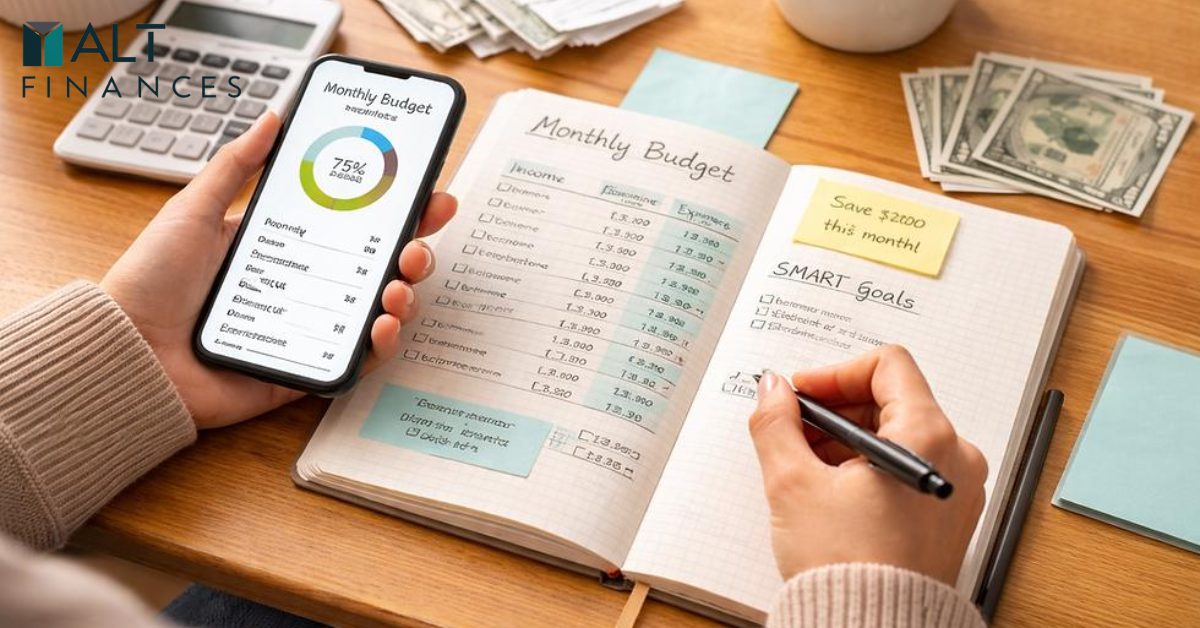
Effective money management gives you total control over your future and significantly reduces your daily stress. Many adults struggle with personal finance because they never learned basic financial rules during high school. Implementing proven money management tips can completely change how you handle your household income and monthly expenses.
Taking the time to understand your cash flow allows you to make informed decisions about your lifestyle and long-term security. Financial freedom is rarely the result of luck; it is usually the product of consistent habits and disciplined planning. By following a structured approach to your finances, you can build a legacy of wealth that lasts for generations.
Before you improve your finances, you need an accurate picture of your current financial situation. Calculate your net worth by subtracting all your financial liabilities from your total accumulated assets. This important baseline number helps you measure your progress as you implement new wealth strategies.
Review your recent pay stubs to identify your exact gross income before taxes and deductions. Examine your checking account statements to categorize your monthly spending patterns accurately over time. Good personal banking habits start with knowing exactly how much cash flows in and out of your household.
You must evaluate your current debt load carefully before making any major financial decisions. List every outstanding balance, including student loans, auto loans, and any open credit cards or lines of credit. This comprehensive review reveals exactly where your money goes each month without any guesswork or emotional bias.
When you begin your journey, you must distinguish between liquid assets like cash and non-liquid assets like real estate. Understanding this distinction helps you realize how much money you can actually access during a sudden financial crisis or opportunity. Tracking these figures monthly allows you to visualize your progress and stay motivated as your total net worth grows.
Utilizing digital tools or specialized software can simplify the process of tracking every transaction across multiple accounts. This granular level of detail ensures that no hidden subscription or recurring fee goes unnoticed during your monthly audit. Understanding your starting point is the most critical step toward achieving lasting financial independence and peace of mind.
Build a Resilient Financial Plan
A comprehensive written financial plan serves as your detailed roadmap for the exciting months and years that lie ahead. You must define specific financial goals that motivate you to stay disciplined during difficult economic periods and market downturns. Categorize these objectives into short-term goals, like buying a car, and long-term goals, like retiring comfortably in your preferred location.
Sound financial planning requires you to allocate your resources logically across different competing priorities. You might direct some funds toward debt reduction while putting cash into savings accounts for future needs. This balanced approach protects your financial health while building substantial wealth over time through consistent and deliberate action.
Many experts recommend the 50/30/20 rule as a foundational framework for organizing your monthly take-home pay effectively. This method allocates fifty percent to needs, thirty percent to wants, and twenty percent to savings or debt repayment. By following this simple ratio, you ensure that your lifestyle never outpaces your ability to save for the future.
Revisit your financial goals every quarter to verify you are making adequate progress toward your targets. Life circumstances change frequently, so you must adjust your budget to reflect new economic realities and personal milestones. Consistent monitoring keeps you accountable and focused on your ultimate wealth objectives regardless of external market fluctuations.
Furthermore, you must account for the eroding effects of inflation when projecting your future purchasing power for retirement. Incorporating a modest inflation buffer into your calculations prevents you from underestimating the actual capital required for a comfortable lifestyle. A resilient plan anticipates these shifts and provides a safety margin for your long-term success.
- Calculate your total assets and liabilities to establish a clear baseline for your progress.
- Write down specific objectives and divide them into short-term and long-term categories.
- Review your budget quarterly to adapt to changing life circumstances and economic conditions.
Create a Reliable Emergency Fund

An unexpected expense can easily derail your budget if you lack sufficient cash reserves in your bank account. You should build an emergency fund that covers three to six months of essential living expenses for your household. This dedicated savings account acts as a critical buffer between you and total financial disaster during tough times.
Keep these funds accessible but completely separate from your daily spending cash flow to avoid unnecessary temptation. A money market account at a local credit union often provides better interest rates than standard big-bank options. When a true money emergency strikes, you can access your cash immediately without liquidating volatile stock market investments.
A starter emergency fund of one thousand dollars provides an immediate psychological win and a basic safety net for minor issues. Once you achieve this initial milestone, you can focus on building a more robust reserve that covers several months. This tiered approach makes the daunting task of saving thousands of dollars feel much more manageable for the average household.
Do not rely on borrowed money to handle unexpected car repairs or sudden medical bills that arise unexpectedly. Replenish your emergency fund immediately if you have to withdraw money for an urgent and necessary financial need. This habit protects you from accumulating dangerous balances on high-interest credit products that can ruin your long-term plans.
Consider keeping a small portion of this fund in a high-yield savings account that remains separate from your primary institution. This physical and digital distance reduces the temptation to dip into these vital reserves for non-emergency discretionary purchases. Having this liquidity ensures that you can navigate life’s inevitable surprises without compromising your overall financial stability.
Credit Card Debt: How to Conquer High-Interest Debt
Outstanding balances on borrowed money severely limit your ability to build lasting wealth and achieve your dreams. You must prioritize paying off bad debt before focusing heavily on taxable brokerage investments or luxury spending. Develop a systematic approach to eliminate these obligations as quickly as mathematically and psychologically possible for your situation.
How to Eliminate Your Outstanding Balances
1. List All Your Obligations
Gather every loan statement and write down the current balances, interest rates, and minimum monthly payments.
2. Choose a Payoff Strategy
Select either the debt snowball method for psychological motivation or the avalanche method for mathematical efficiency.
3. Negotiate Lower Rates
Call your lenders directly and ask them to lower your annual percentage rate to accelerate your progress.
Your primary credit card is a tool for convenience, not a long-term loan mechanism for lifestyle inflation. Carrying credit card debt from month to month costs you hundreds of dollars in interest charges every single year. Eliminating stubborn card debt frees up significant capital that you can redirect toward lucrative investments and personal growth.
High credit utilization can negatively impact your credit score even if you make all of your payments on time. Aim to keep your total balance below thirty percent of your available limit to maintain a healthy and strong profile. This discipline demonstrates to lenders that you are a responsible borrower who can manage debt without becoming overextended or risky.
Stop using your credit cards entirely while you actively pay down your existing balances to avoid further accumulation. Switch to a debit card or cash envelope system to strictly control your discretionary spending during this phase. This physical restriction prevents you from accidentally adding new charges to your outstanding debt while you work toward freedom.
Consolidating multiple balances into a single loan can sometimes reduce your overall interest burden and simplify your life. However, you must change your underlying spending habits to prevent future high-interest debt accumulation from happening again. Managing your obligations properly protects your ability to achieve financial independence over the long term without constant stress.
Many consumers find that the psychological victory of paying off a small balance provides the necessary momentum to tackle larger obligations. Regardless of the specific method you choose, the ultimate goal remains the total elimination of interest-bearing liabilities. This freedom allows you to focus your energy on building a prosperous future rather than paying for your past.
Strategies to Grow Your Wealth
Once you stabilize your daily finances, you can focus heavily on aggressive asset accumulation for your future. You need to save money consistently out of every single paycheck you receive to build a substantial nest egg. If you start saving early, you allow investment returns to multiply your wealth over several decades of growth.
You should understand compound interest to fully appreciate why early investing matters so much for your financial health. Many employers offer matching contributions for your retirement savings, which is essentially free money for your future self. Allocate your investments across diverse assets like mutual funds and real estate to minimize risk and maximize returns.
Low-cost index funds often outperform actively managed funds over long periods because they carry significantly lower management fees and expenses. Minimizing these costs ensures that a larger portion of your investment returns stays in your account to compound over time. This passive approach to investing allows you to build wealth steadily without needing to constantly monitor the stock market.
Open a dedicated savings account specifically for your upcoming large purchases and vacations to avoid using debt. Setting money aside in a high-yield savings account protects your purchasing power from the effects of severe inflation. Consistent contributions to these accounts will eventually fund your most ambitious lifestyle upgrades without compromising your long-term security.
Always contribute enough to your workplace retirement plan to claim the full employer match before investing in outside brokerage accounts.
Many wealthy individuals automate their investment contributions to remove human emotion from the process entirely and ensure consistency. Set up recurring transfers to your brokerage accounts on the exact day you receive your paycheck each month. This strategy forces you to live on less while your portfolio grows quietly in the background for years.
In addition to employer-sponsored plans, explore the benefits of individual retirement accounts which may offer a wider array of choices. Diversifying your tax strategy between pre-tax and post-tax accounts provides greater flexibility when you eventually begin withdrawing your wealth. This proactive approach ensures that you keep more of your hard-earned money during your retirement years.
Credit Card Management and Daily Money Management Tips
Consistent daily habits form the absolute foundation of lifelong financial success and stability for every individual. Good money management involves tracking every dollar and making highly intentional purchasing decisions based on your core values. Effective managing money requires you to review your household budget at least once a week to stay on track.
You should automate your finances to guarantee you pay bills on time every month without fail or late fees. Set up automatic transfers from your primary checking account to your designated investment portfolios and savings goals. This automated system forces you to manage money efficiently without relying entirely on daily willpower or memory.
While small daily savings are helpful, focusing on the “big wins” like housing and transportation provides the most significant impact. Negotiating a lower rent or choosing a reliable used vehicle can save you thousands of dollars over several years. These major structural changes to your budget create the most breathing room for your other financial goals and dreams.
Monitor your major fixed expenses carefully, particularly your housing costs and monthly utility bills which can drain your resources. If your mortgage payment consumes more than thirty percent of your income, you might struggle to save for other goals. Keep your overhead low so you have extra capital available for aggressive wealth-building activities and personal enjoyment.
- Automate your bill payments and investment contributions to remove human error and emotion.
- Keep your fixed living expenses below thirty percent of your gross income whenever possible.
- Review your budget weekly to catch unnecessary subscriptions and plug spending leaks early.
Developing a habit of reviewing your bank transactions every morning can help you stay mindful of your daily spending limits. This constant awareness prevents the “lifestyle creep” that often occurs when your income increases but your savings rate remains stagnant. By staying vigilant, you ensure that every dollar you earn is working toward your specific financial objectives.
Protect Your Assets with Insurance
Accumulating wealth means nothing if a single disaster can wipe out your entire portfolio in a matter of days. You need adequate insurance coverage to shield your family from catastrophic financial losses that could arise from accidents or illness. Health insurance, auto insurance, and homeowners insurance are non-negotiable necessities for responsible adults who want to protect their future.
Life insurance provides critical income replacement if you pass away unexpectedly during your working years, protecting your loved ones. Term life policies offer the most affordable protection for families with young children or large mortgages that need to be paid. Disability insurance is equally important because it replaces your income if you become seriously injured and cannot work for a period.
An umbrella policy provides an essential layer of liability protection that goes beyond the limits of your standard insurance policies. This coverage is surprisingly affordable and protects your personal assets from large legal judgments resulting from accidents on your property. Investing in this extra protection ensures that one unfortunate event does not erase decades of your hard-earned financial progress.
Review your insurance policies annually to confirm your coverage limits meet your current needs as your assets grow over time. Do not buy insurance products that mix investments with coverage unless specifically advised by a trusted fiduciary professional. Keep your [ personal finance strategies] simple, affordable, and focused strictly on risk mitigation to ensure your plan remains robust.
Umbrella insurance policies can provide an extra layer of liability protection that exceeds the limits of your standard auto or home coverage. This relatively inexpensive addition is particularly valuable for individuals who have built significant home equity or have large brokerage accounts. Protecting what you have worked so hard to build is just as important as the act of building it.
Credit Card Best Practices to Cultivate Long-Term Financial Health
Your financial education does not stop once you master basic budgeting and saving techniques for your daily life. Read books and articles about personal finance to continuously expand your intellectual knowledge base and stay informed about changes. Improved financial literacy helps you evaluate complex investment opportunities and tax strategies confidently as your net worth increases over time.
Monitor your credit score regularly to qualify for the best interest rates on future loans and insurance premiums. Use your credit card responsibly by paying the statement balance in full every single month to avoid interest charges. By using a single card for daily purchases, you can earn rewards without paying a penny in interest to the bank.
Open communication with your partner about financial goals and spending habits is vital for maintaining a healthy and stable relationship. Scheduling regular “money dates” allows you to discuss your progress and adjust your plans in a calm and supportive environment. Sharing the responsibility of money management reduces individual stress and ensures that both partners are working toward a common vision.
While browsing financial websites, ignore pop-ups asking about targeting cookies and focus entirely on reading the valuable content provided. The main content of these articles often contains highly actionable strategies for wealth creation and debt management. Excellent money tips hide within detailed reports published by reputable government financial agencies and educational institutions.
Finally, consider the importance of estate planning to ensure your assets are distributed according to your specific wishes after you pass. Creating a basic will or a living trust protects your heirs from the lengthy and expensive probate process often found in many jurisdictions. This final step in your financial journey ensures that your hard work benefits the people and causes you care about most.
Building wealth is a marathon that requires extreme patience and consistent execution over several decades of your life. Find a reliable certified financial planner to help you optimize your portfolio structure properly for your specific age and goals. Implement these strategies today to secure a prosperous and completely stress-free future for yourself and your family.

Contributing Editor for Alt Finances, specializing in financial strategy, investment research, and capital markets. Ahmed has extensive experience advising global clients and managing complex financial operations.