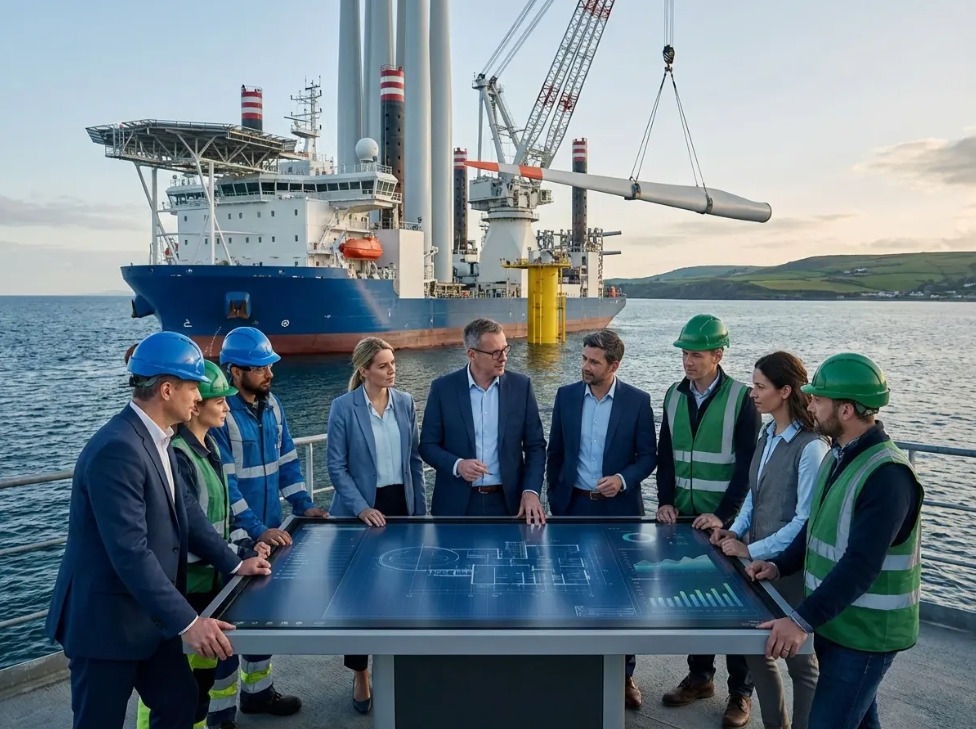
Capital markets are undergoing a massive transformation as environmental priorities reshape traditional investment strategies across the United States. Institutional investors and corporate leaders recognize that funding climate initiatives offers substantial economic opportunities alongside measurable ecological benefits. This shift places green finance at the center of modern portfolio management and corporate strategy to influence the real economy. As global temperatures rise, the financial sector serves as a critical lever for directing capital toward low-carbon solutions and sustainable infrastructure projects. By integrating environmental considerations into every stage of the investment lifecycle, firms can better manage long-term risks while capturing growth in emerging sectors.
Strategic Drivers: What Drives the Growth of Green Finance and the Green Economy Today
The rapid expansion of green finance stems from a combination of regulatory pressure and shifting consumer demands. Financial institutions face increasing expectations to fund projects that actively reduce greenhouse gas emissions across various industries. This capital allocation strategy directly supports the broader transition to a sustainable economy and a resilient green economy. Furthermore, the rise of “double materiality” ensures that companies consider both their impact on the world and the world’s impact on their balance sheets. This holistic view allows for a more accurate assessment of long-term value in a rapidly changing climate landscape.
By directing funds away from fossil fuels, markets can effectively combat climate change while generating stable returns. Market participants in the private sector now track financial flows to verify their alignment with environmental sustainability targets. Regulatory bodies demand greater transparency to prevent companies from misrepresenting their actual ecological impact. This demand for clarity has led to the development of sophisticated disclosure frameworks that provide a clearer picture of corporate environmental performance. As these standards become mandatory in many jurisdictions, the cost of non-compliance continues to rise for traditional firms.
Clear reporting standards help investors distinguish between genuine green investment opportunities and superficial marketing campaigns. When analysts open their terminal to search search results for ESG data, they require standardized and verified metrics. Accurate data prevents greenwashing and protects the integrity of the broader green finance market. The evolution of these metrics has allowed for more granular analysis of carbon footprints across complex global supply chains. Consequently, investors can now identify specific points of vulnerability and opportunity within their portfolios with much greater precision.
Furthermore, the integration of environmental, social, and governance factors into traditional financial analysis represents a significant evolution in capital markets. By prioritizing long-term sustainability over short-term gains, investors can mitigate climate-related risks while supporting essential global transitions. This systemic change is the cornerstone of a thriving ecosystem that balances profitability with planetary health. As more capital flows into these strategies, the competitive advantage for sustainable firms becomes increasingly pronounced. This virtuous cycle encourages even the most conservative institutions to re-evaluate their historical reliance on carbon-intensive assets.
- Regulatory pressures and consumer demands drive rapid capital reallocation toward eco-friendly initiatives.
- Transparent reporting standards are necessary to prevent corporate greenwashing and verify ecological claims.
- Directing funds away from carbon-intensive industries generates stable returns while fighting climate change.
The Shift to Clean Infrastructure
Transitioning to clean operations requires massive capital deployment across the entire built environment and infrastructure sectors. Investors view renewable energy projects as a highly attractive asset class with predictable long-term yield potential. This reliable performance attracts substantial private capital from pension funds and large institutional asset managers. These entities are increasingly looking for ways to match their long-term liabilities with assets that provide steady, inflation-protected cash flows. Green infrastructure, ranging from utility-scale battery storage to smart grids, fits this profile perfectly while advancing decarbonization goals.
As technology costs for solar and wind power continue to decline, the economic case for green infrastructure becomes undeniable. Modern power grids require significant upgrades to handle intermittent energy sources, creating a secondary market for specialized financial products. These investments not only reduce carbon footprints but also enhance national energy security and economic independence. By modernizing the energy landscape, nations can reduce their exposure to volatile global commodity markets and foster local job creation. This transition is not merely an environmental necessity but a strategic economic imperative for the twenty-first century.
Financial Innovation: Core Instruments in Green Financing and Sustainable Debt

Corporate treasurers and municipal governments rely on specific debt instruments to fund their ecological initiatives. A prominent example is the green bond, which strictly reserves proceeds for projects with clear environmental benefits. The global green bonds market has grown exponentially as issuers recognize the strong demand from environmentally conscious buyers. These bonds provide a transparent mechanism for investors to support specific projects, such as reforestation or wastewater treatment facilities. The rigorous reporting requirements associated with these instruments ensure that every dollar is accounted for and utilized effectively.
Beyond the standard green bond, sustainability-linked bonds have emerged as a flexible alternative for companies in transition. These instruments tie the interest rate of the debt to the issuer’s achievement of specific environmental targets. If a company fails to meet its carbon reduction goals, the coupon rate increases, providing a direct financial incentive for performance. This “step-up” mechanism aligns the interests of the borrower with the environmental objectives of the lender. It creates a dynamic relationship where financial success is intrinsically linked to measurable progress in sustainability and resource efficiency.
The private sector has been particularly active in utilizing these green bonds to diversify their funding sources and lower capital costs. By tapping into a dedicated pool of ESG-focused capital, corporations can often achieve better pricing than through traditional debt markets. This financial advantage accelerates the adoption of sustainable business practices across diverse sectors including manufacturing and logistics. As more companies enter the market, the variety of available instruments continues to expand to meet specific industry needs. From green commercial paper to transition bonds, the toolkit for sustainable finance is becoming increasingly sophisticated and accessible.
Always verify the underlying framework of a debt instrument before investing. Third-party verification guarantees that the proceeds actually fund legitimate environmental improvements rather than general corporate expenses.
Understanding Debt Markets
When a corporation issues a new debt security, they must publish key documents detailing the intended use of proceeds. These disclosures typically form part of the corporate annual report to maintain transparency with stakeholders. Analysts carefully review these filings to verify that the funded initiatives actively reduce total greenhouse gas output. This scrutiny is essential for maintaining the credibility of the sustainable finance ecosystem and ensuring that capital is truly transformative. Without rigorous oversight, the risk of capital misallocation could undermine the broader goals of the global climate transition.
The rise of secondary market trading for green securities has also provided much-needed liquidity for long-term institutional investors. Market makers now provide specialized pricing for eco-friendly assets, reflecting their lower risk profile in a carbon-constrained world. This liquidity ensures that capital can be efficiently reallocated as new technological breakthroughs emerge in the sustainability space. As trading volumes increase, the bid-ask spreads for these securities continue to narrow, making them even more attractive to retail investors. This democratization of access allows a broader range of participants to contribute to and benefit from the green transition.
Loans and Mortgages Explained
Retail banking customers also participate in this ecosystem through specialized lending products like green loans. Homeowners can finance energy-efficient upgrades using green mortgages, which often feature slightly lower interest rates. Banks offering these mortgages green their loan portfolios while helping individuals reduce their domestic gas emissions. These products incentivize the adoption of heat pumps, solar panels, and high-performance insulation in the residential sector. By lowering the cost of borrowing for these improvements, banks help bridge the gap between initial investment and long-term savings.
When evaluating these green mortgages green building certifications provide the necessary proof of actual energy efficiency. This verification step protects the integrity of the financial products and maintains consumer trust over time. Lenders use these certified frameworks to standardize their underwriting processes across different geographic regions in the United States. This standardization is crucial for scaling these products and making them a standard offering in the mortgage market. As more homes become energy-efficient, the overall resilience of the housing market to rising energy costs significantly improves.
Furthermore, small and medium-sized enterprises (SMEs) are increasingly gaining access to green credit lines for operational improvements. These loans allow smaller businesses to invest in energy-saving equipment that would otherwise be cost-prohibitive. By lowering the barrier to entry for sustainable technology, banks play a pivotal role in decarbonizing the broader supply chain. These SMEs often represent a significant portion of a nation’s economic activity and total carbon footprint. Empowering them with the right financial tools is essential for achieving comprehensive, economy-wide emissions reductions and fostering local innovation.
Operational Excellence: How to Implement a Green Finance Strategy and Finance Roadmap
Organizations looking to participate in green finance must develop a comprehensive internal framework for capital allocation. Creating a detailed finance roadmap helps management teams identify projects that meet strict ecological criteria. The primary objective is to align financial systems with broader corporate sustainability targets and global mandates. Effective green financing requires a robust understanding of both environmental science and complex financial modeling to ensure long-term viability. This interdisciplinary approach allows firms to identify synergies between operational efficiency and environmental stewardship that were previously overlooked.
Governments play a vital role by creating an enabling environment through tax incentives and clear regulatory frameworks. Without a supportive policy landscape, many high-impact projects struggle to achieve the necessary financial viability for private investment. An enabling environment ensures that the risks associated with new technologies are shared appropriately between public and private stakeholders. This collaboration is particularly important for “first-of-a-kind” projects that demonstrate the commercial potential of breakthrough climate technologies. By providing a stable regulatory backdrop, governments can unlock the trillions of dollars in private capital needed for the transition.
How to Establish Internal Frameworks
Assess Current Financial Work
Review your existing portfolio and identify areas where your finance work currently supports carbon-intensive activities. This baseline assessment highlights the most urgent opportunities for strategic reallocation of funds. Understanding your starting point is essential for setting realistic and ambitious targets for the future.
Develop Finance Roadmaps
Create specific sustainable finance roadmaps that outline your transition strategy over the next five to ten years. These finance roadmaps should establish clear metrics for measuring the ecological impact of your investments. A well-defined path helps maintain momentum and ensures accountability across the entire organization.
Align Financial Practices
Update your internal policies to align financial decision-making with your newly established environmental objectives. Train your investment committees to evaluate climate risks alongside traditional financial metrics. This cultural shift is necessary to ensure that sustainability is integrated into the core of your business operations.
Global Impact: Green Finance and Sustainable Development Goals
The impact of green finance extends far beyond domestic borders to influence the global environment. International coalitions utilize these funding mechanisms to achieve specific sustainable development targets established by global authorities. Meeting these ambitious sustainable development goals requires unprecedented cooperation between public agencies and private market participants. This global effort is focused on ensuring that the transition to a low-carbon economy is both rapid and equitable for all nations. By pooling resources and expertise, the international community can tackle the most pressing environmental challenges with greater efficiency.
How do these instruments actually function in emerging markets? Without coordinated development goals, capital often doesn’t reach the regions most vulnerable to ecological disruption. Development finance institutions play a crucial role in directing capital to developing countries with high growth potential. These institutions provide the necessary de-risking mechanisms, such as first-loss guarantees, to attract private investors to unfamiliar markets. This “blended finance” approach is essential for scaling up climate action in parts of the world where traditional investment risks are perceived as too high.
For example, extensive wind and solar initiatives across Latin America rely heavily on international climate finance networks. These cross-border investments help emerging economies leapfrog outdated, carbon-intensive technologies in favor of modern solutions. The deployment of green finance accelerates this technological leap and builds long-term economic resilience globally. By investing in clean energy today, these nations can avoid the “carbon lock-in” that has plagued more developed economies for decades. This proactive approach fosters a more sustainable and inclusive path to prosperity for millions of people.
Furthermore, the establishment of international carbon markets provides a mechanism for countries to trade emissions credits. This global exchange encourages nations with lower abatement costs to over-perform on their targets, creating a more efficient path to net-zero. Such cooperation is essential for maintaining a stable global climate and ensuring equitable economic growth. As these markets mature, they provide a powerful price signal that discourages pollution and rewards innovation in clean technology. This economic incentive structure is a vital component of the global strategy to limit warming to well below two degrees Celsius.
Transparency and Metrics: Tracking Financial Flows and Climate Action
Accurate measurement remains a significant hurdle for institutions engaging in large-scale green financing operations. Dedicated industry professionals form a specialized working group to establish standardized metrics for carbon accounting. These frameworks help private investors quantify the exact impact of their capital on global climate action initiatives. By providing a common language for impact, these standards allow for better comparison between different investment opportunities. This clarity is essential for building trust with stakeholders and ensuring that environmental claims are backed by rigorous data.
Corporate boards frequently discuss green finance as a primary driver of long-term shareholder value creation. Integrating green finance principles into standard operations reduces regulatory risks and lowers the overall cost of capital. Furthermore, strong green finance credentials help companies attract top talent and maintain favorable public perception. In an era where employees and customers increasingly prioritize values, a commitment to sustainability is a powerful differentiator. Companies that fail to adapt risk being left behind as the market shifts toward more responsible business models.
The private sector is also increasingly adopting the recommendations of the Task Force on Climate-related Financial Disclosures (TCFD). By providing consistent and comparable data, companies allow investors to better price the risks and opportunities associated with climate change. This transparency is vital for the efficient functioning of modern capital markets and the prevention of systemic financial shocks. As more firms disclose their climate exposure, the market can more accurately allocate capital to those best prepared for the transition. This collective effort enhances the overall stability and resilience of the global financial system in the face of environmental uncertainty.
- Standardized metrics allow private investors to accurately measure their impact on global climate initiatives.
- Strong ecological credentials lower the cost of capital and attract top talent to the organization.
- Emerging markets heavily depend on international funding to bypass outdated carbon technologies.
Risk Mitigation: Overcoming Barriers in Green Financing and Market Volatility
Despite the rapid growth of the sector, several significant barriers remain that hinder the full-scale deployment of capital. One of the primary challenges is the lack of a universally accepted taxonomy for what constitutes a “green” investment. Without clear definitions, investors face the risk of greenwashing, where projects are marketed as eco-friendly without delivering substantive benefits. This ambiguity can lead to market fragmentation and reduced investor confidence in the long-term viability of sustainable assets. Establishing a common global standard is therefore a top priority for regulators and industry bodies alike.
Data fragmentation also poses a hurdle, as many companies still struggle to collect accurate emissions data across their entire supply chains. This information gap makes it difficult for financial institutions to assess the true climate risk of their portfolios. Addressing these data deficiencies requires investment in digital tracking tools and more rigorous auditing processes by independent third parties. As technology advances, the use of satellite imagery and IoT sensors is becoming more common for verifying environmental claims in real-time. These innovations provide a more objective and reliable basis for financial decision-making in the green space.
Political uncertainty can also deter long-term investment in green finance initiatives, particularly in regions where environmental regulations are subject to frequent change. Investors require a stable policy environment to commit the large amounts of capital needed for multi-decade infrastructure projects. Bridging the gap between short-term political cycles and long-term climate goals remains a critical task for global leaders. By creating legally binding climate targets, nations can provide the certainty that the private sector needs to invest with confidence. This stability is the foundation upon which a truly sustainable global financial system can be built.
Strategic Capital: The Role of Impact Investing in Green Finance
Impact investing has emerged as a powerful subset of the broader sustainable finance movement, focusing on generating measurable social and environmental benefits alongside financial returns. Unlike traditional ESG integration, which focuses on mitigating risks, impact investing is defined by its intentionality to create positive change. This approach is particularly effective in funding early-stage technologies that have the potential to revolutionize the energy sector. By providing patient capital to innovators, impact investors help bring high-potential solutions from the laboratory to the marketplace. This catalytic role is essential for accelerating the pace of environmental innovation globally.
Many impact investors focus on “additionality,” ensuring that their capital provides benefits that would not have occurred otherwise. This might include funding a community-owned solar farm in an underserved area or supporting a startup developing carbon-capture technology. By targeting these high-impact areas, investors can catalyze significant ecological progress while still achieving competitive market returns. This focus on outcomes ensures that every investment contributes meaningfully to the broader goal of planetary health. As the field matures, the methods for measuring and reporting these impacts are becoming increasingly sophisticated and standardized.
The rise of “Blue Finance” is another exciting development, focusing specifically on the health of our oceans and marine ecosystems. Projects in this space include sustainable aquaculture, plastic waste reduction, and the protection of coastal biodiversity. As the global community recognizes the vital role of the oceans in climate regulation, blue finance is expected to become a major pillar of the sustainable investment landscape. Protecting marine environments is not only an ecological necessity but also a strategic economic opportunity for coastal nations. By investing in the blue economy, we can ensure the long-term health of the planet’s most vital life-support system.
Conclusion: The Future of Green Finance
The evolution of green finance from a niche market to a mainstream financial pillar represents one of the most significant shifts in modern economic history. As the physical and transition risks of climate change become more apparent, the integration of sustainability into capital markets is no longer optional. Organizations that embrace these principles today will be better positioned to thrive in the low-carbon economy of tomorrow. The transition is already well underway, and the momentum continues to build as more stakeholders recognize the inherent value of sustainable practices. This shift is reshaping the very foundations of how we value assets and allocate resources.
Looking ahead, we can expect to see even greater standardization of data and more sophisticated financial instruments designed to tackle specific ecological challenges. The collaboration between the public and private sectors will continue to be the primary driver of innovation and scale in this field. By aligning our financial systems with the health of our planet, we can ensure a prosperous and sustainable future for generations to come. This alignment is not just about avoiding disaster; it is about creating a more resilient, efficient, and equitable global economy. The opportunities for those who lead this transition are as vast as the challenges we face.
Ultimately, the success of green finance depends on our collective ability to maintain transparency, accountability, and a long-term perspective. While the challenges are significant, the opportunities for value creation and positive impact are even greater. The journey toward a sustainable global economy is well underway, and finance is the engine that will drive us there. By continuing to innovate and collaborate, we can build a financial system that serves both people and the planet. The future of finance is green, and the time to act is now.

Contributing Editor for Alt Finances, vision-driven with 20+ years in family office, asset management, and corporate development. Holds UN Special Consultative Status and is 100 Women in Finance Board Chair. Tulane University – A.B. Freeman School of Business.