

Smart investment techniques are strategies that help grow wealth, manage risk, and maximize returns through informed, disciplined investing.
In today’s fast-paced financial world, getting good returns on investments isn’t just about luck or guessing. It’s about having a plan, using smart investment strategies, and staying consistent. Whether you’re new to investing or have experience, applying investment diversification strategies and other proven methods can significantly improve your financial results.
This article covers practical strategies that help you get the most out of your investments while maintaining stability in the long run.
What Are Smart Investment Techniques?

A good start to investing is knowing what you want and what you can handle.
Before putting money into the market, investors should consider:
- What they want to achieve financially
- How much risk they can take (risk management in investing)
- How long they plan to keep their money invested
Smart investment techniques are not about trying to get rich quickly. Instead, they focus on setting up a system that balances growth and safety. A planned strategy helps investors stay steady, even during market fluctuations.
The Benefits of Diversifying Investments
One of the best ways to improve returns while reducing risk is through investment diversification strategies.
Diversifying means spreading your money across different types of assets such as
- Stocks
- Bonds
- Real estate
- Commodities
- Other non-traditional investments (alternative investment options)
By not putting all your money into one area, you are less likely to lose everything if that sector underperforms. A balanced mix of assets helps stabilize returns and provides opportunities to grow wealth across multiple markets and industries.
Having a Long-Term Perspective
Many people try to time the market, but focusing on long-term investing benefits usually works better.
A long-term perspective helps investors:
- Avoid selling during market dips
- Take full advantage of compounding growth
- Stay focused on their financial goals
Even small, regular investments can grow significantly over time. Patience and consistency often yield better results than chasing quick wins.
Using Dollar-Cost Averaging
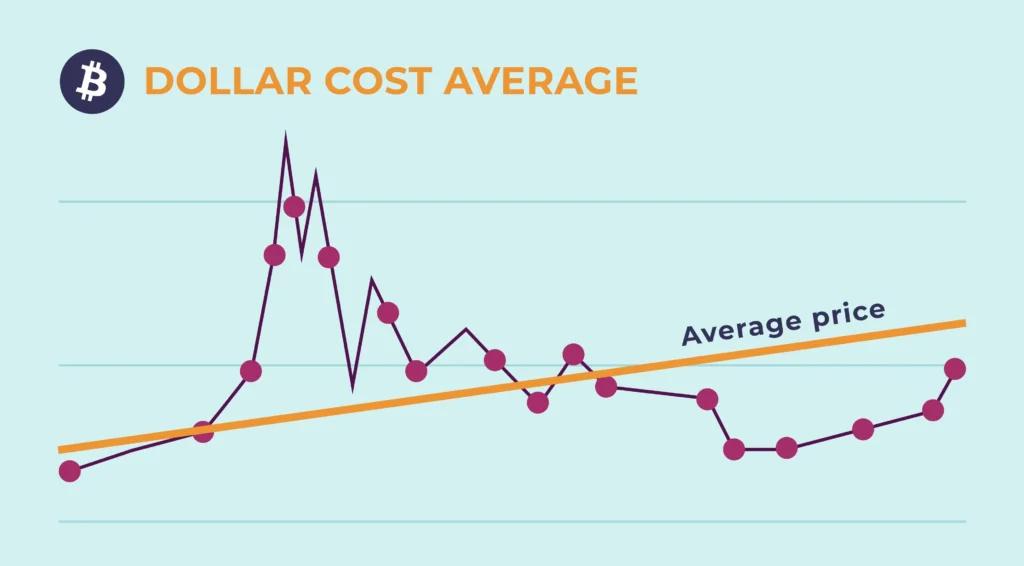
The dollar-cost averaging strategy is a smart approach in which you invest a fixed amount at regular intervals, regardless of market conditions. This method helps reduce the impact of market fluctuations, prevents emotional decision-making by promoting discipline and emotional control, and gradually lowers the average cost of your investments over time.
Instead of trying to predict market highs and lows, this consistent investment strategy focuses on steady, long-term growth and encourages a disciplined, patient approach to building wealth.
Balancing Risk with Smart Investment Techniques
Higher returns often require taking on some risk, but effective risk management in investing is key.
Smart investors:
- Align investments with their personal risk tolerance
- Maintain a balanced mix of asset types
- Avoid excessive exposure to speculative opportunities
The goal isn’t to eliminate risk but to manage it in a way that supports financial goals while staying within your comfort level.
Making Informed Decisions with Data
Being informed is critical for successful investing. For example, many investors rely on data-driven strategies to guide their choices. By keeping up with economic trends, industry shifts, and global financial news, they can make better-informed decisions.
Additionally, combining fundamental analysis (the big picture) with technical analysis (market patterns) helps identify undervalued assets and promising opportunities. Ultimately, knowledge reduces uncertainty and builds confidence in investment decisions.
Smart Investment Techniques in Alternative Investments
Beyond stocks and bonds, alternative investment options can provide additional growth and protection.
These include:
- Real estate
- Commodities
- Private equity
Alternative investments also help hedge against inflation and market dips while adding stability through investment diversification strategies. It’s important to balance these with liquid assets for flexibility.
Using Technology in Investing
Technology is transforming investing, especially with tools that leverage artificial intelligence and automation, which now play a key role in investment portfolio management. For instance, these tools can track market trends, spot opportunities, and adjust asset allocation efficiently.
Although AI can process large amounts of data quickly, it is designed to complement rather than replace human judgment, thereby helping investors make smarter, more strategic decisions.
Checking and Adjusting Your Portfolio
Your investment plan should evolve over time. Regular portfolio reviews help ensure alignment with financial goals. Portfolio rebalancing allows you to:
- Maintain the right asset mix
- Replace weak investments
- Capture new opportunities
- Support long-term growth
- Keeping Discipline and Emotional Control
Emotions often lead to poor investment choices. Fear during downturns or overconfidence during market highs can derail your strategy. Discipline and emotional control help investors stick to their plan, ensuring steady progress toward long-term goals.
Conclusion
Maximizing returns is not about taking big risks or chasing instant wins. Instead, by using smart investment techniques such as diversification, long-term investing, dollar-cost averaging, and informed, data-driven investing, you can build a resilient financial future.
Moreover, staying disciplined, leveraging technology wisely, and regularly reviewing your investment portfolio management practices helps ensure balanced growth. Ultimately, successful investing is a journey that requires patience, careful planning, and consistent, smart actions.
Therefore, people who adopt smart investment techniques set themselves up for stronger returns and long-term financial security.
Frequently Asked Questions (FAQs)
What is the smartest way to maximize investment returns?
Use diversification, long-term investing, and strategies like dollar-cost averaging. Staying consistent and managing risk are key for long-term growth.
How does diversification improve investment performance?
Investment diversification strategies reduce risk by spreading money across multiple assets. Losses in one area can be balanced by gains in others.
Is long-term investing better than short-term trading?
Yes, long-term investing benefits include compounding growth and reduced impact from market volatility.
How often should an investment portfolio be reviewed?
Your investment portfolio management should be reviewed at least once or twice a year to ensure alignment with your financial goals.
What role do alternative investments play?
Alternative investment options like real estate or commodities add growth potential, diversify risk, and protect against market fluctuations.


