

Starting your investment journey can feel a bit overwhelming, especially with so many financial choices available. Whether you’re thinking about buying individual stocks or choosing from actively managed funds, new investors often struggle to know where to begin. Investing in index funds is a great option for people who are new to investing and don’t have advanced financial knowledge or the ability to predict market movements.
Instead of trying to pick winning stocks, passive funds like low-cost index funds focus on long-term growth by participating in the overall market. This makes them a good option for those who want a diversified portfolio, stability, and a simpler way to manage their investments.
What Are Index Funds?
Index funds are investment tools that follow the performance of a specific market index. They don’t try to beat the market; instead, they aim to match its performance by holding the same stocks that make up the index.
For example, a fund that tracks the S&P 500 index will invest in companies from various sectors. This allows investors to gain exposure to a wide range of the market through a single investment, making them perfect for beginners.
Because index funds use a passive strategy, they require very little management. This helps lower costs compared to actively managed funds and makes the investment process easier for beginners.
How Index Funds Work
Investing in index funds replicates the makeup of a chosen market index. When the index changes, the fund automatically adjusts its holdings. This built-in rebalancing keeps your investment in line with the market without the need for manual adjustments.
Instead of relying on predictions, long-term growth is the main focus. By spreading investments across many companies, these funds reduce the risk of losing money due to the performance of a single company, giving you a diversified portfolio with consistent market exposure.
Why Index Funds Are Good for Beginners
Index funds are often recommended for new investors because they offer simplicity along with strong long-term potential.
Easy Diversification
Index funds spread your money across many companies, which reduces the risk of losing money if one company performs poorly. A diversified portfolio helps beginners avoid big losses from a single company’s downturn.
Lower Costs
Passive investment funds have lower fees compared to actively managed options. Lower costs mean your money can grow more effectively over time.
Consistent Market Exposure
You benefit from the overall growth of the market without worrying about daily fluctuations. This helps reduce emotional decisions and keeps you consistent with your regular investing plan.
Reduced Emotional Investing
By focusing on long-term growth, index funds help you avoid making impulsive decisions based on short-term market swings.
Who Should Invest in Index Funds?
Investing in index funds is ideal for:
- New investors starting their investment journey
- People planning for long-term investment growth
- Those who prefer a hands-off approach
- Individuals seeking a diversified portfolio
They are especially beneficial for anyone looking for beginner-friendly investment strategies that are straightforward and low-risk.
Steps to Start Investing
Define Your Financial Goals
Decide why you’re investing, whether it’s for retirement, savings, or building long-term wealth. Clear goals help shape your beginner investment strategy.
Choose the Right Index
Pick an index that fits your risk tolerance and objectives. For example, the S&P 500 index fund is popular for long-term investment growth.
Compare Fund Options
Look for funds that offer:
- Low expense ratios and cost-effective investment options
- Good tracking performance
- Trustworthy fund providers
Choose Your Investment Method
You can invest a lump sum or follow a regular investment plan. Regular contributions help reduce the impact of market fluctuations.
Stay Consistent
Patience is key. Long-term success comes from sticking to your plan, building a diversified portfolio, and following beginner investment strategies.
Common Mistakes to Avoid
Trying to chase quick profits instead of focusing on long-term growth Ignoring costs and missing out on low-cost investment options Overloading on too many investments instead of building a diversified portfolio Reacting emotionally to market changes instead of sticking to a regular investing plan
Avoiding these mistakes can help you achieve better results and strengthen your beginner investment strategy.
Index Funds vs Actively Managed Funds
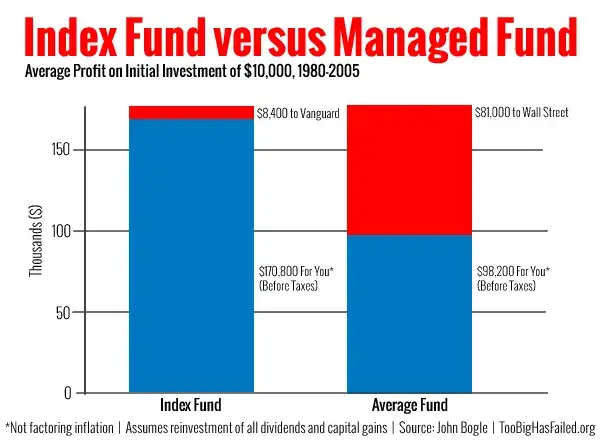
Actively managed funds are run by professionals who aim to outperform the market. While there may be higher returns at times, these funds usually come with higher fees and more risk. In contrast, index funds aim to match the market’s performance.
This passive approach is more cost-effective, less stressful, and provides consistent market exposure over time. You can learn more about the differences between these approaches in our guide on Index Funds vs Actively Managed Funds.
Final Thoughts
Investing in index funds offers a simple and effective way to start investing. Moreover, they provide diversification, low costs, and long-term growth, making them ideal for newcomers.
By starting early and investing regularly, and by maintaining a long-term perspective, investors can therefore benefit from steady market growth without added complexity. As a result, this approach ensures a smoother start to investing for beginners.
Frequently Asked Questions (FAQs)
Are index funds safe for beginners?
Yes. Index funds spread investments across many companies, reducing the risk of losing money if one company underperforms.
How much money do I need to start investing?
You can start with small amounts. Many platforms support regular investment plans, making index funds accessible for most people.
Do index funds provide good returns?
Yes. Index funds track the market, which has historically delivered steady long-term growth.
Is it better to invest all at once or regularly?
Regular investing is often better for beginners. It builds consistency, minimizes the impact of market ups and downs, and strengthens your beginner investment strategy.


