

Future of blockchain refers to its expanding role in creating secure, decentralized systems that improve transparency, efficiency, and trust across industries.
Blockchain is no longer just the foundation of cryptocurrency, it is rapidly emerging as a core driver of the future of blockchain-powered digital ecosystems. While it first gained attention through Bitcoin, its true value lies in transforming how trust, data, and value move across the global economy, supported by a deeper understanding of blockchain fundamentals from trusted sources like IBM.
Today, blockchain is playing a growing role in digital transformation, enabling systems that no longer depend on centralized authorities. From finance and healthcare to logistics and identity verification, decentralized systems are replacing traditional models with transparent and secure alternatives.
As digital innovation accelerates, blockchain is transitioning from an experimental technology into a foundational layer of modern infrastructure.
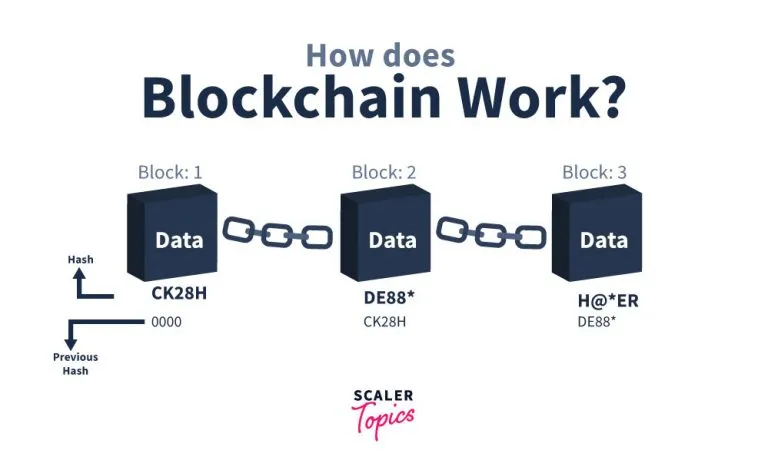
At its core, blockchain is a shared digital ledger stored across multiple systems instead of a single central server. Information is recorded in blocks and linked using cryptography, making the data secure and nearly impossible to alter once verified.
To validate transactions, blockchain uses consensus mechanisms such as:
- Proof of Work vs Proof of Stake
These models allow networks to operate without relying on centralized institutions, enabling trust through computation rather than authority.
Real-World Applications Beyond Cryptocurrency
The role of blockchain is expanding far beyond finance. Its ability to enhance transparency and accountability is solving long-standing challenges across industries.
For example:
- Blockchain in supply chain management improves traceability and reduces fraud
- Blockchain in healthcare systems protects sensitive patient records
- Blockchain for digital identity helps individuals control their personal data
Government initiatives in places like Dubai are already using blockchain to modernize land registries and public services, showing how decentralized infrastructure can improve efficiency at scale.
Future of Blockchain: Rise of Decentralized Finance
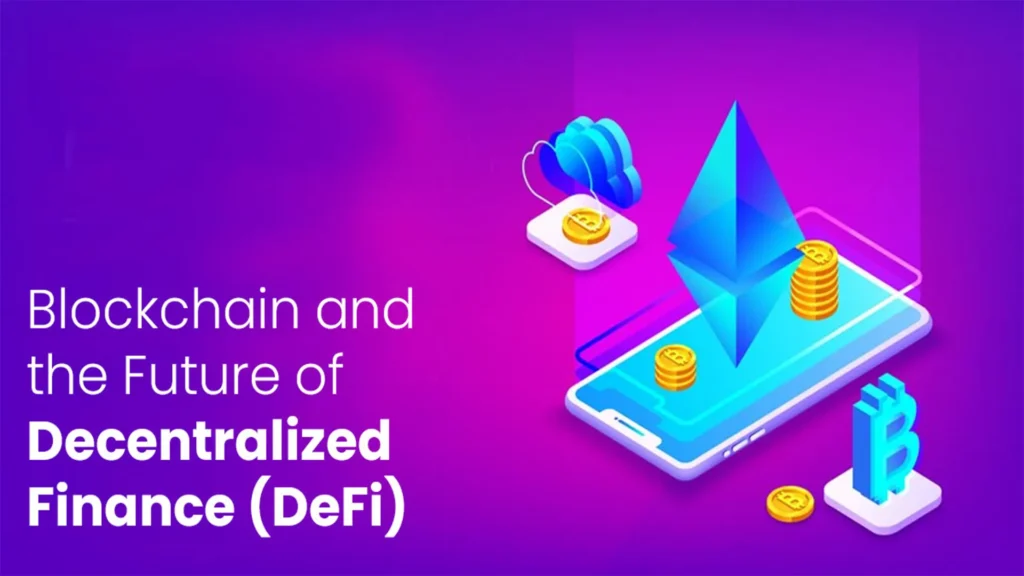
One of the most significant innovations enabled by blockchain is decentralized finance (DeFi).
Instead of relying on traditional financial institutions, DeFi platforms allow users to lend, borrow, and trade assets directly using blockchain-based protocols. For example, platforms like Uniswap and Aave demonstrate how financial services can operate continuously without intermediaries.
Moreover, these systems rely on smart contracts technology, which automatically executes agreements such as payments or loans when predefined conditions are met. As a result, this reduces costs, improves speed, and expands access to financial tools globally.
A key challenge today is that many blockchain systems operate independently. Therefore, the future depends heavily on blockchain interoperability, which allows different networks to communicate and share data. For instance, projects like Polkadot and Cosmos are developing frameworks that enable assets and information to move seamlessly between chains.
As a result, this evolution is paving the way for a unified decentralized digital infrastructure, much like how the internet connected isolated computer systems decades ago.
The impact of blockchain becomes even stronger when combined with other innovations.
For instance:
- Blockchain and emerging technologies like Artificial Intelligence improve fraud detection and predictive analytics
- Integration with the Internet of Things enhances data security for connected devices
- High-speed networks enable real-time decentralized applications
Together, these advancements support smarter systems that function securely without constant human oversight.
Challenges to Widespread Adoption
Despite its promise, blockchain still faces hurdles.
Regulatory uncertainty continues to slow adoption in many regions. Additionally, user experience remains complex for non-technical individuals, and there is a global shortage of skilled blockchain developers.
Energy consumption is another concern, particularly for networks using older models. However, the shift toward Proof of Stake vs Proof of Work mechanisms is already addressing sustainability challenges.
A Foundation for the Digital Future
Blockchain is steadily evolving into a backbone of modern technology. Its decentralized structure supports:
- Secure value exchange
- Reliable identity verification
- Transparent data management
As interoperability improves and integration with advanced technologies continues, blockchain is becoming a key enabler of next-generation digital systems.
Conclusion
The future of blockchain extends far beyond cryptocurrency. It is reshaping how industries manage trust, transactions, and information by enabling secure and decentralized environments.
With adoption growing across finance, healthcare, logistics, and governance, blockchain is moving from innovation to necessity. As interoperability improves and its role alongside AI and connected devices expands, it will play a defining role in building resilient digital economies. Insights from emerging blockchain data analytics trends further highlight how its impact will continue to grow.
In the coming years, blockchain will not simply support digital transformation it will help lead it.
Frequently Asked Questions (FAQs)
How does blockchain support digital transformation?
Blockchain enhances digital transformation by enabling secure, transparent, and decentralized systems that reduce reliance on intermediaries while improving data accuracy and trust.
What role does smart contracts technology play in blockchain?
Smart contracts technology automates agreements and transactions, ensuring they are executed instantly once conditions are met, reducing delays and operational costs.
Why is blockchain interoperability important for future growth?
Blockchain interoperability allows different networks to communicate and share data, making decentralized applications more scalable and efficient.
How is decentralized finance changing traditional financial services?
Decentralized finance provides financial tools like lending, borrowing, and trading without banks, making services more accessible and cost-effective.


