The physical wallet is not dead yet. But it is losing the argument one tap at a time.
There is a generation of consumers growing up for whom handing over a physical card at a checkout counter will feel mildly archaic, the way signing a paper check feels to anyone under forty today. Payment technology moves in one direction, toward less friction, less physical contact, and less dependence on the specific piece of plastic in your pocket. Digital wallets are where that trajectory has arrived, and by most measures they are not a passing trend. They are the new default for an expanding share of global commerce.
A digital wallet is an application or platform that stores payment credentials electronically and allows users to make transactions without presenting a physical card or cash. Tap your phone at a terminal, scan a QR code, check out online with a single click, split a dinner bill with a friend in seconds. The underlying mechanics vary depending on the platform and the context, but the experience is consistent: payment that is faster, more convenient, and increasingly more secure than the alternatives it is replacing.
Understanding how digital wallets actually work, what distinguishes one from another, and what the genuine security considerations look like is no longer a niche concern for technology enthusiasts. It is basic financial literacy for anyone participating in a modern economy.
What a Digital Wallet Actually Is
The term covers more ground than most people realize, which is part of why it can feel vague when you first encounter it.
At the most common level, a digital wallet is a smartphone application that stores the credentials of your existing payment cards, allowing you to use your phone as a payment device wherever contactless terminals are available. Apple Pay, Google Pay, and Samsung Pay are the dominant examples in this category. You link a debit or credit card to the app, and the app handles the transaction on the card’s behalf. No new account is created. No separate balance is maintained. The card you already have simply gains a new interface.
A second category goes further. Platforms like PayPal, Venmo, and Cash App function as standalone financial accounts that hold a balance of their own. You can load money into them from a bank account, receive payments from other users, and spend directly from that balance. These platforms blur the line between a payment tool and a lightweight bank account, and for some users, particularly those without traditional banking relationships, they serve as a primary financial hub.
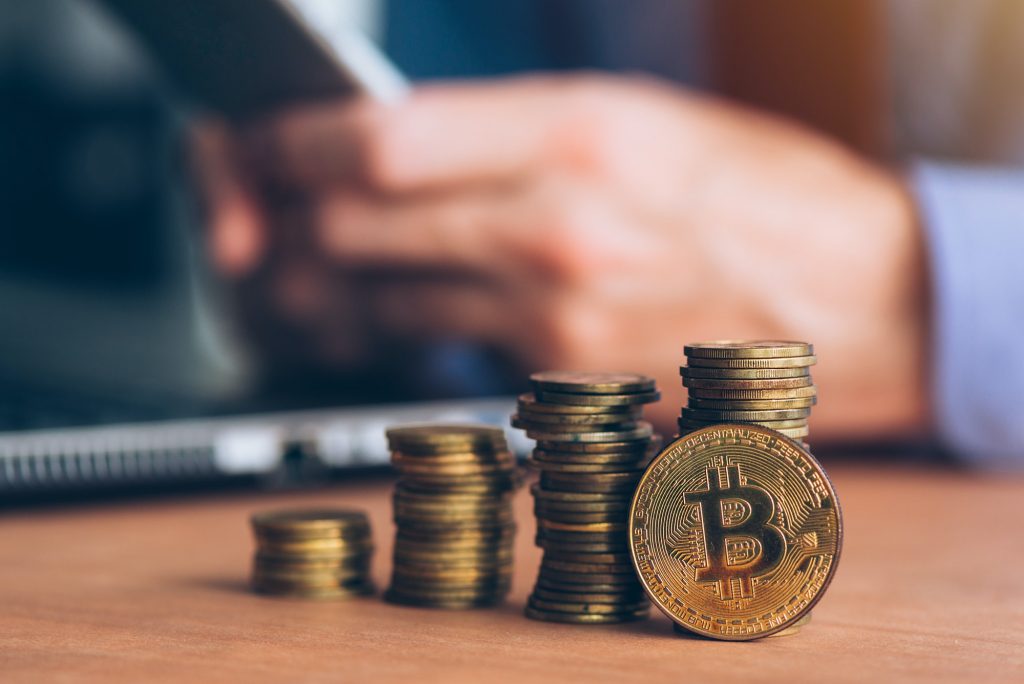
A third category is the cryptocurrency wallet, which operates on entirely different infrastructure and is designed for holding and transacting in digital assets rather than traditional currency. These share a name with conventional digital wallets but are functionally distinct enough to deserve separate consideration.
The category most relevant to everyday spending for most people is the first: a mobile payment application linked to existing bank accounts and cards, used primarily at point-of-sale terminals and online checkout screens.
How the Technology Works
The seamlessness of tapping a phone at a payment terminal obscures a meaningful amount of engineering happening in the background, and understanding at least the basic mechanics is useful for evaluating the security claims that digital wallet providers make.
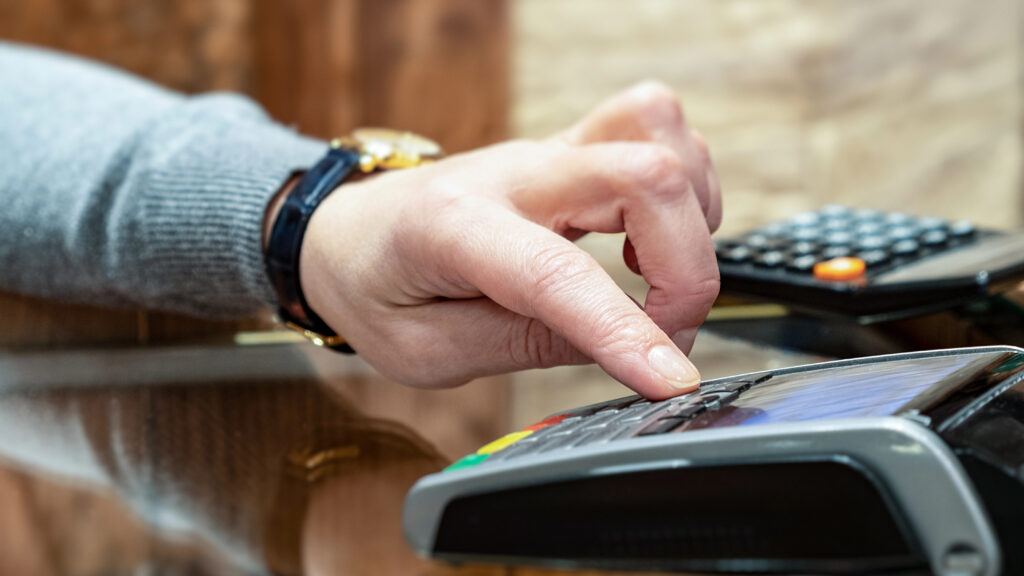
Most mobile payment transactions at physical terminals use a technology called near-field communication, or NFC. NFC allows two devices in very close proximity, typically within a few centimeters of each other, to exchange data wirelessly. When you hold your phone near a payment terminal, your phone and the terminal communicate via NFC, transmitting the payment credentials needed to complete the transaction.
The critical security feature in this process is tokenization. Rather than transmitting your actual card number during a transaction, the digital wallet generates and transmits a unique, single-use token, a stand-in number that represents your card for that specific transaction only. If that token were intercepted, it would be useless for any subsequent transaction. Your actual card number never leaves your device and is never exposed to the merchant’s payment system.
This is a meaningful security advantage over swiping or even dipping a physical card, where the card number itself passes through the transaction. Tokenization does not make digital wallets completely immune to fraud, but it eliminates one of the most common vectors through which card data is stolen at the point of sale.
Online transactions use a related architecture. When you check out on a website using Apple Pay or Google Pay, the checkout process authenticates through your device rather than requiring you to type card numbers into a form. The merchant receives a token, not your card details, and your payment information is never stored on their servers. In an era of routine data breaches at retailers and payment processors, that distinction has real practical value.
The Convenience Case Is Already Won
The argument for digital wallets on convenience grounds does not require much elaboration. Tapping a phone is faster than inserting a card and entering a PIN. Checking out online without retyping payment details is faster than the alternative. Splitting a restaurant bill and settling up instantly is more pleasant than the cash-and-Venmo negotiation that preceded it.
But the convenience argument extends beyond individual transactions. A digital wallet consolidates multiple payment instruments into a single interface, which has organizational benefits that accumulate over time. Rather than managing a physical wallet containing multiple cards, loyalty cards, and transit passes, a well-configured digital wallet holds all of them, accessible from a single device that most people carry everywhere already.
For travelers, the value compounds further. A phone configured with local payment apps or international-compatible platforms can navigate foreign payment systems without the friction of currency exchange for small purchases, card compatibility concerns, or the exposure risk that comes with carrying cash in unfamiliar environments.
The acceleration of digital wallet adoption globally reflects this convenience premium. Markets across Asia, particularly China and India, have moved to near-universal mobile payment adoption faster than Western markets, driven by platforms like Alipay and PhonePe that integrated payments into broader everyday digital ecosystems. Western markets are following a similar trajectory at a somewhat slower pace, shaped by existing card infrastructure and consumer habits that took longer to shift.
Security: What Is Real and What Is Overstated
Digital wallet security is one of those topics where the marketing claims and the actual risk profile are worth separating carefully.
The genuine security advantages are real. Tokenization protects card data more effectively than magnetic stripe transactions. Biometric authentication, fingerprint or face recognition required to authorize a payment, adds a layer of protection that a stolen physical wallet cannot match. A thief who takes your phone cannot use Apple Pay or Google Pay without also defeating your biometric lock, which is a meaningfully higher barrier than the signature or PIN that protects a physical card.
The risks are real too, though they tend to operate differently than most people imagine. The primary vulnerabilities in digital payment systems are not typically at the transaction level, where tokenization does its job well. They are at the account level: phishing attacks that trick users into surrendering login credentials, malware that compromises devices at a deeper level than payment apps can protect against, and social engineering schemes that bypass technical security by exploiting human trust.
The practical implications are familiar: use strong, unique passwords for accounts linked to payment platforms, enable two-factor authentication wherever it is offered, download apps only from official sources, and treat unsolicited messages requesting payment credentials with the same skepticism you would apply to a stranger asking for your card number on the street.
Device loss is the other common concern. Most digital wallet platforms allow remote account suspension or card removal through a companion web interface, which limits the window of exposure if a device is lost or stolen. Registering that capability before you need it, rather than scrambling to find it during an emergency, is a straightforward precaution worth taking.
What Comes Next
The digital wallet is still evolving, and the trajectory points toward a broader role in financial life than simple payment processing.
Identification documents are beginning to migrate into digital wallet frameworks. Several jurisdictions now accept mobile driver’s licenses stored in digital wallets for identity verification purposes, and that use case is expanding. Loyalty programs, boarding passes, event tickets, insurance cards, and transit passes are already standard wallet contents on most platforms. The phone is becoming less a payment device and more a universal credential carrier, with payment as one function among many.
For financial institutions, the shift toward digital wallets raises competitive questions about the customer relationship. When a consumer’s primary payment interface is an Apple or Google platform rather than a bank’s own app, the bank’s visibility into that relationship narrows. Several large banks have responded by building their own digital wallet capabilities or participating in shared platforms designed to keep the payment relationship closer to the institution.
For consumers, the practical upshot of all this is straightforward. Digital wallets are secure, convenient, and increasingly the path of least resistance for a wide range of everyday transactions. The barriers to adoption are low, the benefits are immediate, and the direction of travel is clear. The question most people are still asking, whether to try one, is being quietly answered by the checkout lines around them.

Contributing Editor for Alt Finances, specializing in financial strategy, investment research, and capital markets. Ahmed has extensive experience advising global clients and managing complex financial operations.