

Car Loan Refinancing is replacing an existing auto loan with a new one, often to lower interest rates, reduce payments, or change loan terms.
Car loan refinancing can be a smart financial strategy for anyone looking to improve their overall monetary situation. By replacing your existing auto loan with a new one, you can take advantage of better rates, reduce monthly payments, or adjust the loan term to better fit your budget and long-term goals. Many borrowers initially choose a car loan based on convenience or immediate affordability, but as financial circumstances change such as income fluctuations, improved credit scores, or changes in interest rates your original loan may no longer be the most beneficial option.
Through car loan refinancing, you can reassess your auto loan, capitalize on lower interest rates, and potentially save a significant amount over the life of your loan. Beyond immediate savings, refinancing can improve financial flexibility, facilitate debt consolidation, and free up cash for other priorities, such as paying off high-interest debt, investing, or building an emergency fund. For a detailed step-by-step process, check out this NerdWallet guide.
However, to maximize benefits, it’s crucial to approach refinancing strategically, considering costs, timing, and your personal financial situation.
What is Car Loan Refinancing?

Car loan refinancing involves paying off your current auto loan with a new loan, often from a different lender. The new lender covers your existing balance, and you begin payments under the updated terms. Borrowers typically refinance for several reasons:
- Secure lower interest rates on car loans
- Reduce monthly car payments
- Shorten the loan term
- Take advantage of improved credit scores
Why Refinance Your Car Loan?
Car loan refinancing offers multiple advantages:
Lower Interest Rates
If market rates have dropped or your credit has improved since you first obtained your loan, refinancing can reduce the total cost of borrowing. Even a small decrease in interest can save hundreds or thousands over the life of the loan.
Reduced Monthly Car Payments
By extending the loan term or securing a lower rate, refinancing can ease the strain on your monthly budget, making payments more manageable.
Shorter Loan Term
Refinancing to a shorter car loan term can help you pay off your vehicle faster and reduce interest costs, though monthly payments may increase.
Improved Credit Profile
A stronger credit score may qualify you for better terms than when you initially applied, unlocking more favorable rates and loan options.
When Should You Consider Refinancing?
Car loan refinancing is most beneficial in certain circumstances. Before making a decision, it’s helpful to understand the fundamentals of vehicle financing. Once you grasp these basics, you can better evaluate your options:
Car loan refinancing is most beneficial in certain circumstances:
- Credit Improvement: A significant increase in your credit score may help you qualify for lower interest rates.
- Falling Interest Rates: Refinancing becomes attractive when current rates are lower than your original loan.
- Budget Relief: If your current monthly car payments are straining your finances, refinancing can provide relief.
- Timing: Waiting 6–12 months after your original loan can help establish a strong payment history, while refinancing early can maximize interest savings.
Potential Costs and Considerations
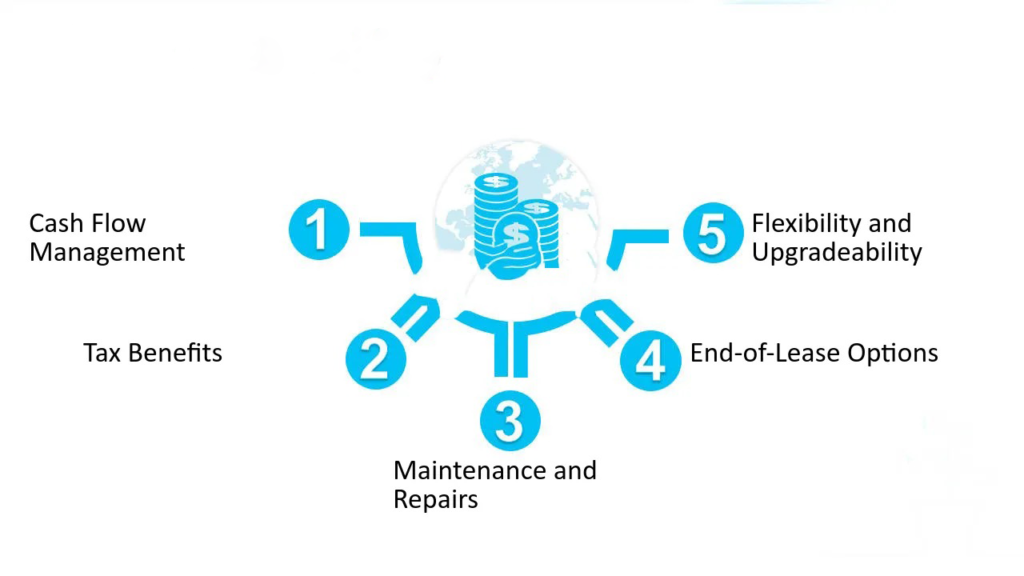
While refinancing offers many benefits, it’s important to carefully evaluate the potential costs. Loan fees, such as origination fees, title transfer costs, and prepayment penalties, can reduce your overall savings. Additionally, the age and value of your vehicle play a crucial role; older or high-mileage cars may be harder to refinance due to lower collateral value.
Negative equity is another consideration; if you owe more than your car’s current worth, refinancing may not improve your financial situation. Therefore, calculating the total costs against potential savings is essential to ensure that refinancing is truly worthwhile.
How the Refinancing Process Works?
The refinancing process is generally straightforward:
- Review Your Current Loan: Know your remaining balance, interest rate, and term.
- Check Your Credit Score: This helps estimate the rates you may qualify for.
- Gather Required Documents: Lenders typically request proof of income, vehicle registration, insurance, and identification.
- Compare Offers: Look at banks, credit unions, and online lenders to find the best terms.
- Apply and Close: Once approved, the new lender pays off your existing loan, and you start making payments under the refinanced agreement.
When Refinancing May Not Make Sense
Avoid refinancing if:
- Your loan is near payoff savings may be minimal.
- High fees outweigh potential benefits.
- You have negative equity, meaning you owe more than your car’s current value.
Strategic Benefits of Car Loan Refinancing
Refinancing isn’t just about immediate savings; it can also support long-term financial goals. For instance, debt consolidation can free up cash flow to help pay off other obligations or fund investments.
Refinancing may also allow you to take advantage of promotional rates, such as special offers or lower introductory interest rates. Additionally, opting for a shorter loan term can accelerate payoff, reduce total interest costs, and improve overall financial flexibility.
Final Thoughts
Car loan refinancing can lower interest rates, reduce monthly car payments, or help you pay off your vehicle faster. However, it requires careful consideration of your credit profile, vehicle value, current market rates, fees, and remaining loan balance.
When done strategically, refinancing is not just a tool for immediate savings—it can optimize your auto loan, help manage debt responsibly, and strengthen your overall financial future.
Frequently Asked Questions (FAQs)
How much can I save by refinancing my car loan?
Savings depend on your interest rate, loan balance, and term. Even a small rate reduction can save hundreds or thousands.
Will refinancing hurt my credit score?
Applying may cause a temporary dip due to a hard inquiry, but timely payments on the new loan can improve your credit over time.
Can I refinance an old or high-mileage car?
It’s possible, though lenders may have restrictions for older or high-mileage vehicles due to lower collateral value.
How long does the refinancing process take?
It can take a few days to a few weeks, depending on documentation and lender approval.
Should I refinance if my loan is almost paid off?
Usually not, as savings are limited and fees may outweigh benefits.


