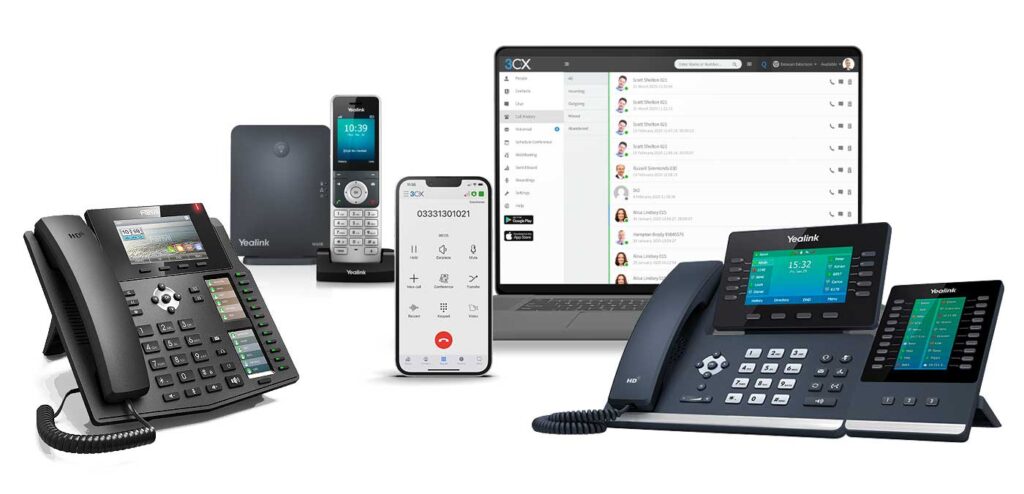
Effective communication is at the heart of every successful business. Whether you’re running a small office or managing a large enterprise, having a reliable and scalable business telephone system is essential. These systems go far beyond traditional landlines, offering integrated features such as voicemail-to-email, call analytics, video conferencing, and remote connectivity—all of which help improve collaboration and customer experience.
As businesses continue to embrace digital transformation, investing in the right telephone system is no longer optional; it’s a strategic necessity.
What Are Business Telephone Systems?
Business telephone systems are multi-line phone networks designed to manage and route incoming and outgoing calls for organizations. They support internal communication between departments and external communication with customers and vendors. These systems are typically more advanced than standard residential phone setups and come with a variety of professional features.
Modern systems can be hosted on-premise, in the cloud, or a combination of both (hybrid). Popular options include VoIP (Voice over Internet Protocol), PBX (Private Branch Exchange), and virtual phone systems designed for remote teams.
Key Features of Business Telephone Systems
| Feature | Description |
|---|---|
| Call Routing | Directs calls to the appropriate department or employee automatically. |
| Voicemail-to-Email | Converts voicemail messages into emails with audio attachments. |
| Call Forwarding | Redirects calls to mobile phones or other devices when employees are remote. |
| Auto Attendant | Automated menu that guides callers to the right extension or department. |
| Conference Calling | Enables multiple users to join a single phone call for team collaboration. |
| Call Recording | Records calls for quality assurance or legal compliance. |
| CRM Integration | Links the phone system with customer data to personalize service. |
These features empower businesses to operate more efficiently, serve customers better, and maintain communication regardless of location.
Types of Business Telephone Systems
| System Type | Best For | Description |
|---|---|---|
| Traditional PBX | Large enterprises with in-house IT | On-premise system using copper lines or digital circuits. |
| VoIP Systems | Small to mid-sized businesses | Cloud-based, cost-effective, scalable communication. |
| Virtual Phone | Remote teams or startups | Hosted entirely online; accessible via apps or web browsers. |
| Hybrid Systems | Businesses transitioning to cloud | Combines on-premise and cloud solutions for flexibility. |
Each type of system has its advantages and is suited to different business models, budgets, and team structures.
Benefits of a Business Telephone System
1. Professional Image
Auto-attendants, call menus, and custom greetings project professionalism, even for small teams.
2. Scalability
Easily add or remove phone lines and users as your company grows or changes.
3. Remote Work Support
VoIP and cloud systems allow employees to make and receive calls from anywhere with an internet connection.
4. Cost Savings
VoIP systems are generally more affordable than traditional phone lines, especially for international or long-distance calls.
5. Data-Driven Insights
Advanced reporting and analytics help monitor call volume, duration, wait times, and employee performance.
Business Telephone Systems vs. Residential Lines
| Feature | Business Telephone Systems | Residential Lines |
|---|---|---|
| Call Routing | Yes | No |
| Voicemail Management | Email integration, cloud storage | Basic answering machine |
| Multiple Lines | Yes | Usually one line per household |
| Custom Greetings | Professional-grade IVR | Limited or none |
| Integration | CRM, helpdesk, Business Management System | Not supported |
| Scalability | High | Very limited |
As shown, business systems are purpose-built for flexibility, professionalism, and integrated workflow management.
Integrating Telephone Systems with Your Workflow
One of the biggest advantages of modern telephone systems is their ability to integrate with broader tools like CRM platforms, email services, helpdesk software, and even your Business Management System. This streamlines operations and improves customer interactions.
For example, a cloud-based phone system can automatically log calls into your CRM, display customer history when a call comes in, and route support tickets seamlessly—all from a single dashboard. This reduces human error, saves time, and leads to faster service resolutions.
Top Providers of Business Telephone Systems
| Provider | Best For | Standout Features |
|---|---|---|
| RingCentral | All-in-one communication | VoIP, video, messaging, team collaboration |
| Nextiva | Small to mid-sized businesses | CRM features, call analytics, customer support |
| Vonage Business | Remote or hybrid teams | Flexible plans, mobile-first functionality |
| 8×8 | International businesses | Global coverage, secure call encryption |
| Grasshopper | Startups and freelancers | Virtual phone numbers, simple interface |
These providers offer scalable plans that can accommodate a range of business needs and budgets.
FAQs About Business Telephone Systems
1. What’s the difference between VoIP and PBX?
PBX is a private internal phone network that typically uses traditional phone lines. VoIP transmits voice over the internet and is often more cost-effective and flexible.
2. Can I keep my existing business number when switching systems?
Yes. Most providers support number porting, allowing you to retain your current phone number.
3. Do business telephone systems require special hardware?
Cloud-based systems often work with existing devices. You may need IP phones or headsets, but many features are accessible via smartphones or computers.
4. Is call quality reliable with VoIP?
With a stable internet connection, VoIP call quality is often equal to or better than traditional lines.
5. How secure are cloud phone systems?
Leading providers use encryption, firewalls, and data backups to ensure high-level security and uptime.
Final Thoughts
In an era where communication is instant and global, business telephone systems have evolved into critical infrastructure for any serious company. Whether you’re a remote startup or a growing enterprise, these systems enhance your ability to serve customers, collaborate with teams, and streamline communication.
Integrating your telephone system with tools like your CRM, helpdesk, or Business Management System not only saves time but builds a stronger, more connected workplace. With flexible options, advanced features, and cost-effective plans available, there’s never been a better time to upgrade your business communications.

Kaleem Afzal Khan is a finance and investment writer specializing in alternative investments, wealth-building strategies, global economic trends, and emerging financial opportunities. His work focuses on helping readers understand complex financial concepts through clear, research-driven analysis and practical insights.
With a strong background in engineering, project management, and analytical problem-solving, Kaleem brings a data-oriented perspective to investment research, market developments, and long-term wealth creation. He regularly explores topics including private markets, infrastructure investments, cryptocurrency trends, personal finance, and macroeconomic developments that shape the future of capital allocation.
Through his writing, Kaleem aims to bridge the gap between institutional-level financial knowledge and everyday investors, empowering readers to make informed financial decisions in an increasingly complex economic landscape.