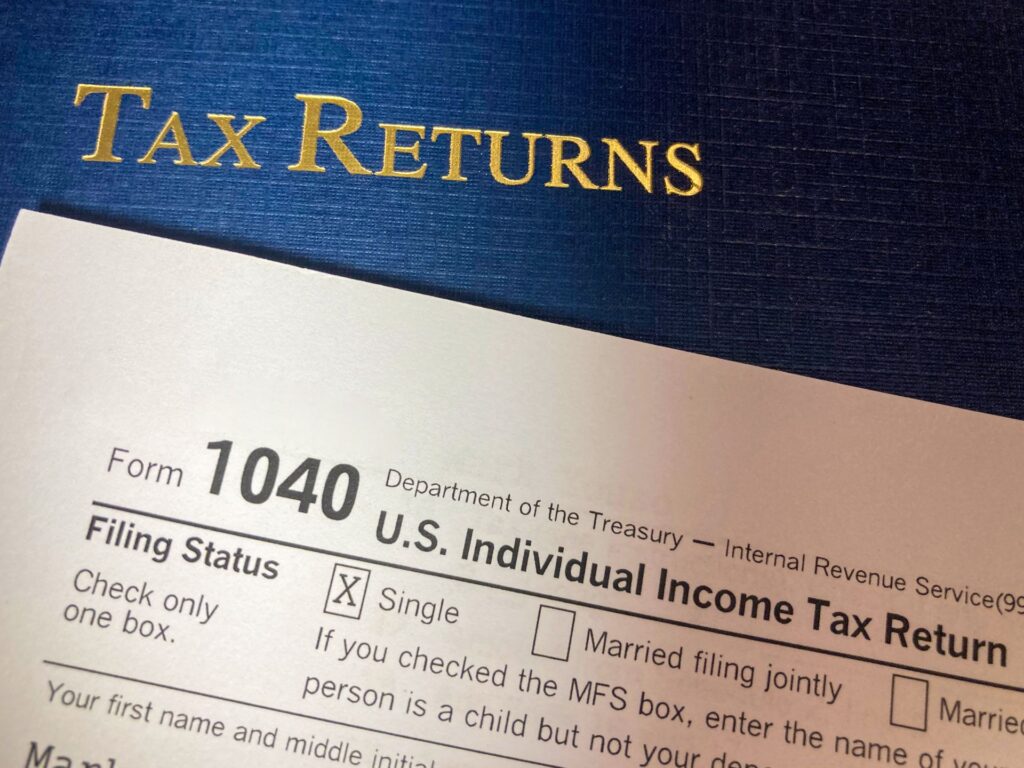
State Tax Refund Can Put Money Back in Your Pocket
Filing taxes is rarely anyone’s favorite task, but there is one outcome many people look forward to: a state tax refund.
A state tax refund happens when you have paid more in state taxes than you actually owe. While it may feel like a bonus, it is essentially your own money being returned.
Understanding how a state tax refund works can help you manage expectations, avoid delays, and potentially receive your money sooner.
What Is a State Tax Refund
State Tax Refund Explained Clearly
A state tax refund is issued when the total amount of tax you paid to your state government exceeds your actual tax liability.
This overpayment can occur for several reasons, including:
- Too much tax withheld from your paycheck
- Eligibility for deductions or credits
- Changes in income throughout the year
When you file your return, the state calculates what you owe. If you paid more than that amount, you receive a state tax refund for the difference.
How State Tax Refund Is Calculated
State Tax Refund Depends on Income and Deductions
The size of your state tax refund depends on several factors.
Your total income, filing status, and any deductions or credits all influence your final tax liability. The difference between what you paid and what you owe determines the refund amount.
Because each state has its own tax rules, the calculation of a state tax refund can vary depending on where you live.
When to Expect Your State Tax Refund
State Tax Refund Timing Can Vary
The timing of a state tax refund depends on how and when you file your taxes.
Electronic filing is generally faster than submitting paper returns. Many states process refunds within a few weeks, but delays can occur during peak filing periods.
Errors, missing information, or additional verification checks can also slow down your state tax refund.
How to Get Your State Tax Refund Faster
State Tax Refund Speed Depends on Filing Accuracy
There are a few steps you can take to receive your state tax refund more quickly:
- File your return electronically
- Double-check all information for accuracy
- Choose direct deposit instead of a mailed check
- Submit your return early in the tax season
These steps help reduce processing time and minimize the risk of delays.
Common Reasons for Delays
State Tax Refund May Be Held for Review
Sometimes a state tax refund is delayed due to additional checks.
Common reasons include:
- Errors in the tax return
- Missing documentation
- Identity verification requirements
In some cases, the state may need extra time to review your return before issuing the state tax refund.
Is a State Tax Refund Always a Good Thing?
State Tax Refund Reflects Overpayment
While receiving a state tax refund can feel positive, it also means you paid more tax than necessary during the year.
Some people prefer to adjust their withholding so they keep more of their money throughout the year instead of waiting for a refund.
The right approach depends on personal financial preferences and budgeting habits.
How State Tax Refund Affects Financial Planning
State Tax Refund Can Be Used Strategically
A state tax refund can be an opportunity to improve your financial situation.
Some people use it to:
- Pay down debt
- Build savings
- Cover major expenses
Planning how to use your state tax refund can help turn it into a more meaningful financial benefit.
Final Thoughts: Know What to Expect
State Tax Refund Is Simple but Important
At first glance, a state tax refund may seem straightforward. But understanding how it is calculated, when it arrives, and why it happens can make the process smoother.
By staying informed and filing accurately, you can avoid delays and make the most of your state tax refund.
In the end, it’s not just about getting money back, it’s about understanding how your taxes work and using that knowledge to your advantage.

Contributing Editor for Alt Finances, specializing in financial strategy, investment research, and capital markets. Ahmed has extensive experience advising global clients and managing complex financial operations.