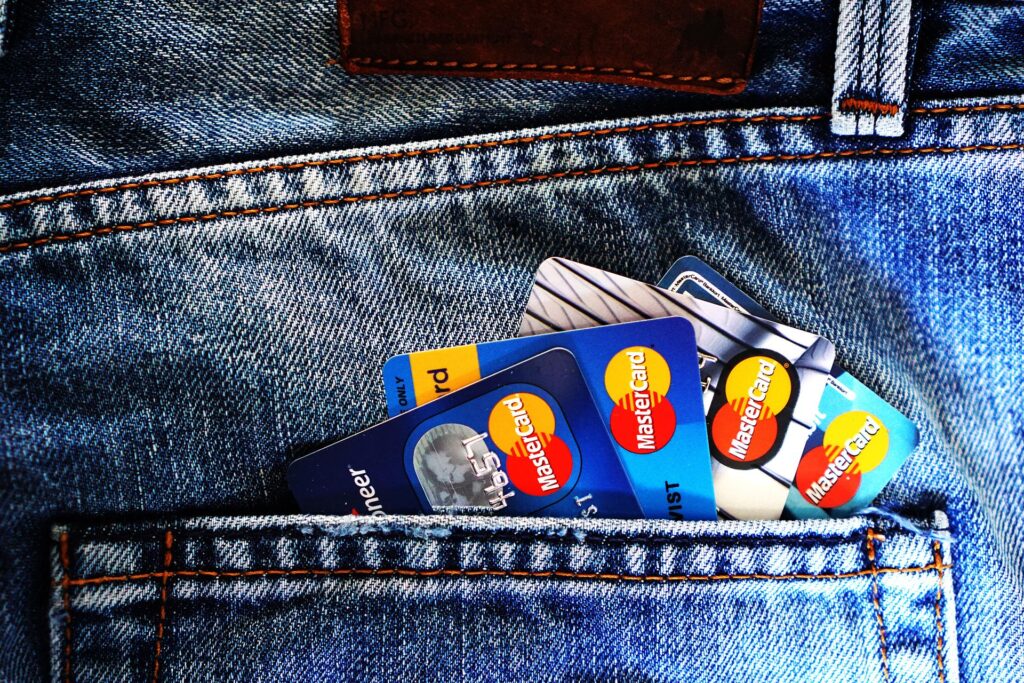
Bad credit creates a frustrating cycle: you need a credit card to demonstrate responsible borrowing and rebuild your score, but bad credit is exactly what makes lenders reluctant to extend you a card on favorable terms. The market that has emerged to serve this need contains two very different categories of products, and the difference between them is significant enough that choosing the wrong one can leave you worse off than not having a card at all.
Understanding which category you are looking at, and why, is the entire purpose of this guide.
The Two Categories You Will Encounter
Secured credit cards require a refundable cash deposit, typically matching your credit limit, that the issuer holds as collateral. You use the card like any other credit card, your payment activity is reported to the credit bureaus, and the deposit is returned when you close the account in good standing or, with many issuers, after a period of responsible use that triggers an automatic upgrade to an unsecured card. The cost structure is generally reasonable: many secured cards charge no annual fee or a modest one, and the interest rate, while typically higher than cards for excellent credit, does not usually reach the extremes seen in the second category. Secured cards are, for most people with bad or no credit, the genuinely useful tool in this space.
Unsecured subprime cards, marketed directly at consumers with bad credit, require no deposit but often carry a combination of high annual fees, monthly maintenance fees, and processing fees that can consume a significant portion of the credit limit before you have made a single purchase. A card advertising a $300 credit limit might charge a $99 annual fee plus a recurring monthly fee that leaves meaningfully less actual purchasing power than the advertised limit suggests, and the APR on these cards frequently sits at or near the legal maximum. These cards are not always predatory in a technical sense, since the fees are disclosed, but the value proposition is often poor enough that a secured card is almost always the better choice for the same underlying goal of credit rebuilding.
How to Evaluate Any Card in This Category
Total annual cost, not the advertised credit limit, is the number that matters most. Add up the annual fee, any monthly maintenance fees annualized, and any account opening fees, and compare that total against what a secured card with no or low fees would cost for comparable credit-building value.
Whether the issuer reports to all three credit bureaus is essential to confirm before applying, since a card that only reports to one or two bureaus provides incomplete credit-building benefit, and your goal is improving your full credit profile, not just one report.
Whether the card offers a path to an unsecured upgrade or deposit return, particularly for secured cards, tells you whether the product is designed to graduate you toward better credit terms over time or simply to extract ongoing fees indefinitely.
The interest rate matters less than it would for cards used to carry a balance, because the entire credit-building strategy works best when you charge a small amount and pay it off in full every month, never paying interest regardless of what the APR is. If you anticipate carrying a balance, the APR becomes critical, and subprime unsecured cards are particularly dangerous in this scenario given how high their rates typically run.
The Credit-Building Strategy That Actually Works
Apply for a secured card from a reputable, well-known issuer, fund the deposit at an amount you are comfortable having tied up for several months to a year, and use the card for a small, predictable recurring expense, such as a streaming subscription, that you pay off in full immediately or well before the due date every month. Confirm the issuer reports to all three bureaus, and check periodically whether you qualify for an upgrade to an unsecured card or a deposit refund as your payment history accumulates.
This approach, executed consistently for six months to a year, typically produces meaningful credit score improvement and qualifies you for better credit products, including unsecured cards with rewards and no fees, without ever exposing you to the cost structure of subprime unsecured cards marketed specifically at the bad-credit population.
If a deposit for a secured card is genuinely unaffordable, a credit builder loan, which requires no upfront deposit and is specifically structured to build payment history, is a reasonable alternative path discussed in more detail in the broader guide to improving your credit score.

Contributing Editor for Alt Finances, specializing in financial strategy, investment research, and capital markets. Ahmed has extensive experience advising global clients and managing complex financial operations.