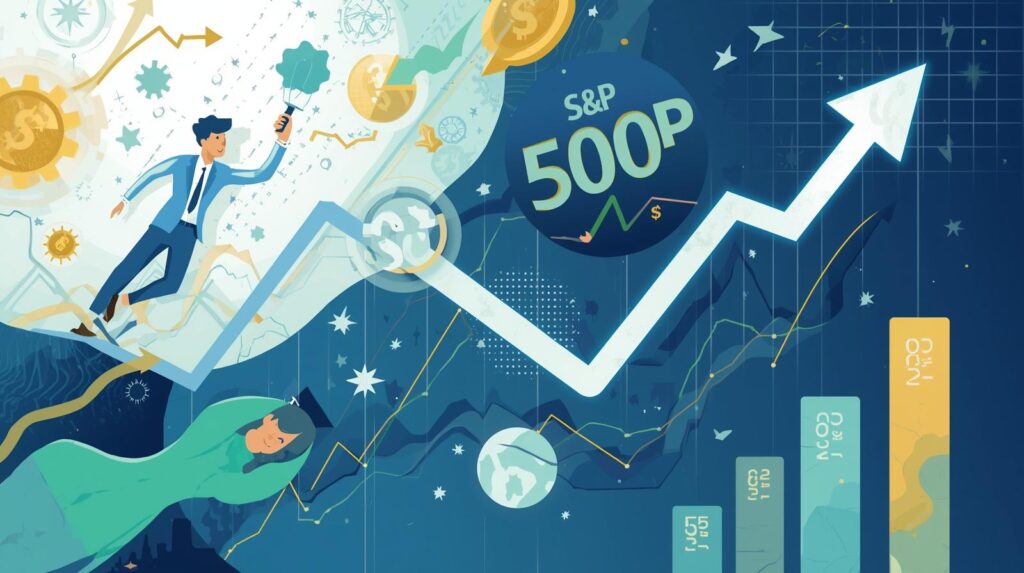
The SP 500 is a group of 500 big companies listed on U.S. stock exchanges. It acts like a snapshot of how the American economy is doing because it covers many different industries. Think of it like a financial thermometer. When these companies are doing well, the SP 500 goes up. When they aren’t, it goes down.
Here’s how it can affect your savings:
- It includes well-known names like Apple, Microsoft, and Nvidia.
- The index is weighted by market cap, which means bigger companies have more influence on its movement.
- Many retirement accounts, like 401(k)s, are based on this index.
- It gives you instant diversification, so you’re not putting all your money into just one company.
Why Does the SP 500 Feel So Unstable?
It’s normal to feel worried when you see red on your app. It’s stressful. You might wonder if your savings are safe or if you should take money out. Because the SP 500 represents a huge amount of money, even small news about interest rates or inflation can cause big changes. But these changes are often just “noise.” If I were your financial advisor, I’d say that volatility is part of long-term growth. Even though the market drops, it usually recovers and goes up again. As of early February 2026, the index is even hitting the 7,000 level.
To deal with this, follow these tips:
- Don’t check your app every day to avoid panic.
- Focus on your long-term goals, not what happens in a single day.
- Set up automatic contributions to invest more when prices are lower.
- Ask a professional before making any big financial decisions.
Determining If This Investment Strategy Fits Your Goals
People ask if the SP 500 is right for them, especially if they’re new. The answer depends on your time frame, but for most people, it’s a great option. Since it includes 500 companies, it’s safer than picking just one stock. If you’re planning to grow your money over many years, the SP 500 is your best friend.
Here are some reasons to consider it for your investment plan:
- It usually has lower fees than managing your own portfolio.
- It has a history of about 10% yearly returns.
- You can access it through most banking or trading apps.
- It automatically updates by replacing weaker companies with more successful ones.
Dealing with the Fear of a Market Crash
The biggest fear for investors is the fear of losing everything. That’s natural because money is tied to your time and security. But remember, the SP 500 has weathered wars, recessions, and even the 2020 pandemic. The real danger isn’t a market drop, it’s your own emotions. When people panic, they sell at the bottom and miss the recovery. That’s when they lose money, while patient investors end up gaining. So, view every drop as a chance to buy cheaper stocks. This mindset is key to building long-term wealth.
Expert Thoughts on SP 500 Market Trends
In my view, AI is causing a major shift in our world. Because the index includes big tech companies, it stands in a great position to capture this growth. Some people say the market is too high at 7,000, but they said the same thing at 5,000. The secret is moving from being a “gambler” to becoming an “owner.” When you invest in an index fund, you own parts of the biggest companies in the world. As long as people use smartphones and shop at stores like Walmart, the index is likely to grow. A low-cost ETF is often the best way to take advantage of these trends.
Answering Your Top Investment Doubts
Is the SP 500 safe for retirement? While no investment is completely risk-free, it’s considered the standard for long-term safety. Is it a good option if you’re not into math? Yes. You don’t need to track financial reports, the CEOs of 500 companies do the work for you. It feels easy in a strong market, but real gains are made by those who stay through tough times.
Conclusion
Keep your eyes on the bigger picture. Daily ups and downs are just small waves, but the overall trend of the American economy has been upward. If you stay steady, you’ll look back in ten years and be glad you started. Trust the process, manage your fear, and let time work on your investments.
Frequently Asked Questions
Does the SP 500 fit your five-year goal?
Market changes make 5 years the minimum. For shorter goals, a savings account might be more comfortable.
Is the SP 500 suitable for beginners?
Yes, It’s the easiest way to own big companies without needing special knowledge.
What’s the difference between an index fund and an ETF?
ETFs can be bought all day, while index funds settle at the end of the day. Both are good for growth.
Will I lose all my money if the market crashes?
You’d have to lose everything if all 500 top companies went to zero, something that has never happened.
How much money do I need to start investing?
With fractional shares, you can start with just $1. You don’t need to be rich to begin building wealth.

Ana Goldenberg is a Contributing Editor at Alt Finances with a career rooted in the high-stakes worlds of banking and private placements. From profiling global philanthropists to managing complex financial operations at Wells Fargo, she bridges the gap between editorial storytelling and disciplined financial expertise.