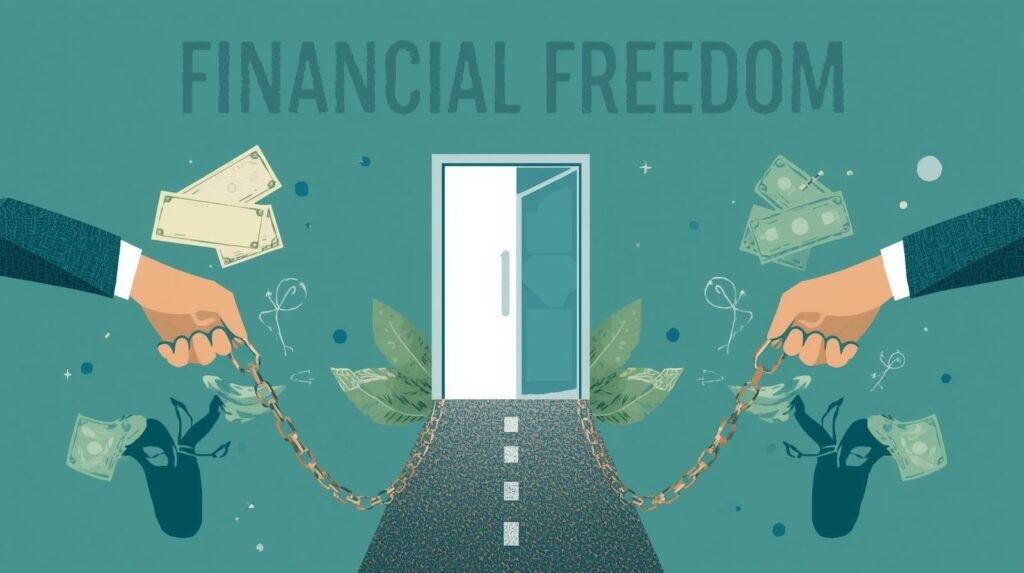
Financial Freedom Myths and Realities: What You Need to Know explores common misconceptions and truths about achieving financial independence. It provides practical strategies to gain control over your finances and build long-term security.
Financial freedom is a goal that millions of people aspire to achieve. The idea of living without financial stress, being debt-free, and having enough passive income to cover your lifestyle is appealing. However, many misconceptions surround this concept, leading people to chase unrealistic expectations. Understanding the truths about financial freedom is the first step toward creating a realistic path to independence.
Common Myths About Financial Freedom
Common Myths About Financial Freedom are widely held but inaccurate beliefs about achieving financial independence. These misconceptions can mislead people about what it takes to gain control over their finances.
Understanding and debunking these myths helps individuals create realistic strategies for long-term financial security.
Myth 1: Financial Freedom Means Being Wealthy
A common myth is that financial freedom requires massive wealth or a high income. Many people think that unless they have millions in the bank, they cannot be financially independent. In reality, financial freedom is about having control over your finances rather than reaching a certain net worth. With careful budgeting tips, disciplined money management, and consistent long-term savings, anyone can create a life free from financial stress. Even moderate earners can achieve independence by aligning their spending with their financial goals.
Myth 2: You Can Stop Working Completely
Some assume that achieving financial freedom means quitting your job entirely. While this is true for a few early retirees, the reality is that financial independence provides options, not obligations. Many people continue working in roles that bring fulfillment, pursue side projects, or run small businesses while enjoying the benefits of passive income. Therefore, wealth building isn’t just about leaving work; it’s about gaining the freedom to make choices without money pressure.
Myth 3: It Happens Quickly
Stories of people achieving financial freedom in their twenties can create unrealistic expectations. However, attaining independence is usually a long-term journey requiring years of consistent effort. Following investment strategies such as diversified portfolios, dividend stocks, or retirement accounts allows your wealth to grow gradually. Coupled with disciplined debt management and long-term savings, you can build sustainable financial security over time.
Myth 4: You Must Sacrifice Enjoyment
Another misconception is that financial freedom demands extreme frugality. While saving is important, it doesn’t mean you can’t enjoy life. Smart budgeting tips help you balance current enjoyment with future security. You can still travel, pursue hobbies, or dine out occasionally, as long as these expenses fit within your financial plan. In fact, enjoying life while managing money responsibly reinforces positive habits that support independence.

Key Realities About Financial Freedom
Key Realities About Financial Freedom highlight the essential truths behind achieving true financial independence. These realities emphasize control, planning, discipline, and personalized goals rather than myths or shortcuts. Understanding them helps individuals create practical strategies for long-term financial security and freedom.
Reality 1: Financial Freedom is About Control
The core of financial freedom is not wealth alone but the ability to make choices without financial stress. This could mean working part-time, traveling, investing in personal projects, or planning for retirement at your own pace. By prioritizing financial goals and practicing effective money management, you gain control over your future rather than being controlled by immediate financial needs.
Reality 2: Planning is Essential
Achieving financial independence requires clear planning. This includes creating a budget, managing debt, developing investment strategies, and consistently saving. Without a structured plan, dreams of freedom often remain out of reach. Using tools like budgeting apps, spreadsheets, or financial advisors can help track progress and make adjustments as life circumstances change.
Reality 3: Discipline Outweighs Income
High income alone does not guarantee financial freedom. Many high earners struggle with debt or lifestyle inflation, while disciplined individuals with moderate earnings can achieve independence sooner. Focusing on long-term savings, strategic investing, and living below your means is more impactful than chasing a higher salary.
Reality 4: Everyone’s Path is Unique
Financial freedom is personal. Some people aim to retire early, while others want the flexibility to work on passion projects or travel extensively. Understanding your own priorities and setting realistic financial goals ensures that your journey aligns with your life vision.
| Myth | Reality | Explanation |
|---|---|---|
| Financial freedom means being wealthy | It’s about control, not money | You can be independent by managing money well and saving, even without millions. |
| You can stop working completely | Freedom means choice | Many still work in fulfilling roles while enjoying passive income. |
| Financial freedom happens quickly | It takes time | Consistent saving, investing, and debt management are needed for long-term security. |
| You must sacrifice enjoyment | Balance is possible | You can enjoy life while planning and budgeting wisely. |
| High income guarantees freedom | Discipline matters more | Good money habits matter more than a big paycheck. |
| Everyone’s path is the same | Personal goals matter | Financial freedom depends on your priorities and lifestyle. |
Conclusion
Financial freedom is less about wealth and more about control, discipline, and thoughtful planning. By dispelling common myths such as the need for extreme wealth, instant results, or complete retirement you can focus on strategies that truly work. Prioritizing budgeting tips, debt management, long-term savings, and smart investment strategies lays the foundation for independence. Ultimately, financial freedom is a journey tailored to your personal goals, offering peace of mind, flexibility, and the power to live life on your own terms.
Frequently Asked Questions (FAQs)
1. What does financial freedom mean?
It’s the ability to cover your living expenses without relying solely on a traditional job, giving you more control and flexibility in life.
2. Can anyone achieve it?
Yes. Through disciplined money management, smart investing, and regular savings, most people can build long-term independence, regardless of income.
3. Does it require quitting work entirely?
Not always. Achieving independence allows you to choose how and when to work, focusing on passions or projects without financial stress.
4. How long does it take to reach independence?
The timeline depends on income, spending habits, and investment strategies. For most, it’s a gradual process that requires consistency and careful planning.

Ana Goldenberg is a Contributing Editor at Alt Finances with a career rooted in the high-stakes worlds of banking and private placements. From profiling global philanthropists to managing complex financial operations at Wells Fargo, she bridges the gap between editorial storytelling and disciplined financial expertise.