“Rare art collectibles are highly valuable physical masterpieces, such as original paintings or sculptures, that serve as premium alternative investments. Crypto billionaires increasingly use these tangible, non-correlated assets to diversify portfolios, hedge against inflation, and permanently secure high-risk digital wealth from volatile market crashes.”
The massive boom in Web3 has generated unprecedented digital wealth, creating a new generation of crypto billionaires. However, this wealth is tied to highly volatile markets. As a result, a 30% drop in 24 hours is a common reality. To permanently secure their financial future through solid crypto wealth preservation, smart investors are moving profits offline. For instance, suppose an investor secures a $50 million profit in Bitcoin. As a result, they are increasingly allocating 10% to 20% of it directly into physical art.
This specific trend is not just about aesthetics; it is a calculated financial maneuver.
Wealth Preservation: Tangible assets lock in digital gains, shielding them from sudden blockchain-related market liquidations.
Inflation Hedge: Physical art historically outpaces inflation, maintaining purchasing power when fiat currencies weaken.
Non-Correlated Diversification: The art market does not move in tandem with the stock market or crypto exchanges, providing a true portfolio diversification strategy.
Status and Prestige: Owning a verifiable piece of history offers a societal luxury that digital tokens cannot replicate in the physical world.
The Core Pain Point: Escaping the Volatility Trap with Rare Art Collectibles
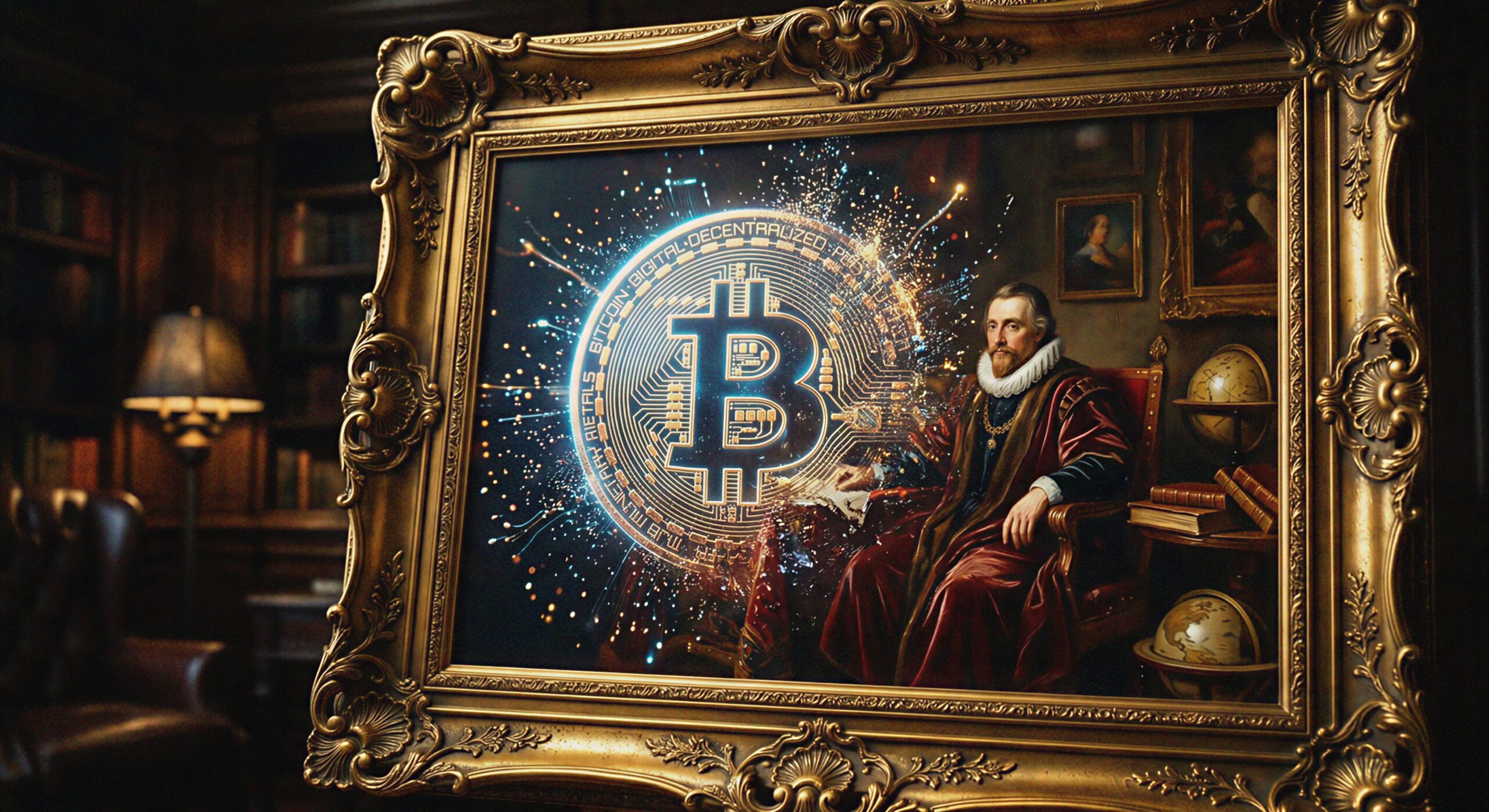
Undeniably, the primary pain point for newly minted crypto millionaires is ‘Portfolio Anxiety.’ For example, staring at flashing red screens is psychologically exhausting. Furthermore, fearing that a single regulatory news update could wipe out 50% of their net worth causes severe stress. Admittedly, digital assets generate rapid wealth. However, they are terrible at preserving it. Similar to the classic gold vs crypto debate, rare art acts as the ultimate safe haven because it solves this exact problem. It forces a long-term holding strategy. For instance, you can panic-sell Bitcoin at 3 AM from your phone Conversely, you cannot instantly liquidate a $5 million Picasso. Admittedly, this illiquidity is often viewed as a drawback. However, it is actually a strategic feature for securing wealth. Ultimately, this friction effectively prevents disastrous emotional selling.
My Practical Experience: An Art Investing Guide Through a Wealth Manager’s Eyes
Personally, I have worked in alternative asset allocation for the past decade. During this time, I have seen the devastating psychological toll of extreme market cycles. For instance, a few years ago, a client came to me. Specifically, he had made his fortune exclusively in Ethereum. Admittedly, he was extremely wealthy on paper. However, he remained chronically stressed. As a result, he was constantly checking his hardware wallet balances.
My advice was simple: stop trying to multiply everything and start protecting what you have. Therefore, we diversified 15% of his portfolio into tangible assets. Specifically, we focused on the verified blue-chip art market.
Case Study: Surviving the 2022 ‘Crypto Winter’ with Rare Art Collectibles
In late 2021, we parked $1.5 million of his crypto profits into a mix of physical real estate and fractional shares of Basquiat and Banksy artworks.
The Crash: In 2022, the crypto market lost nearly $2 trillion in value. His digital portfolio plummeted by 60%.
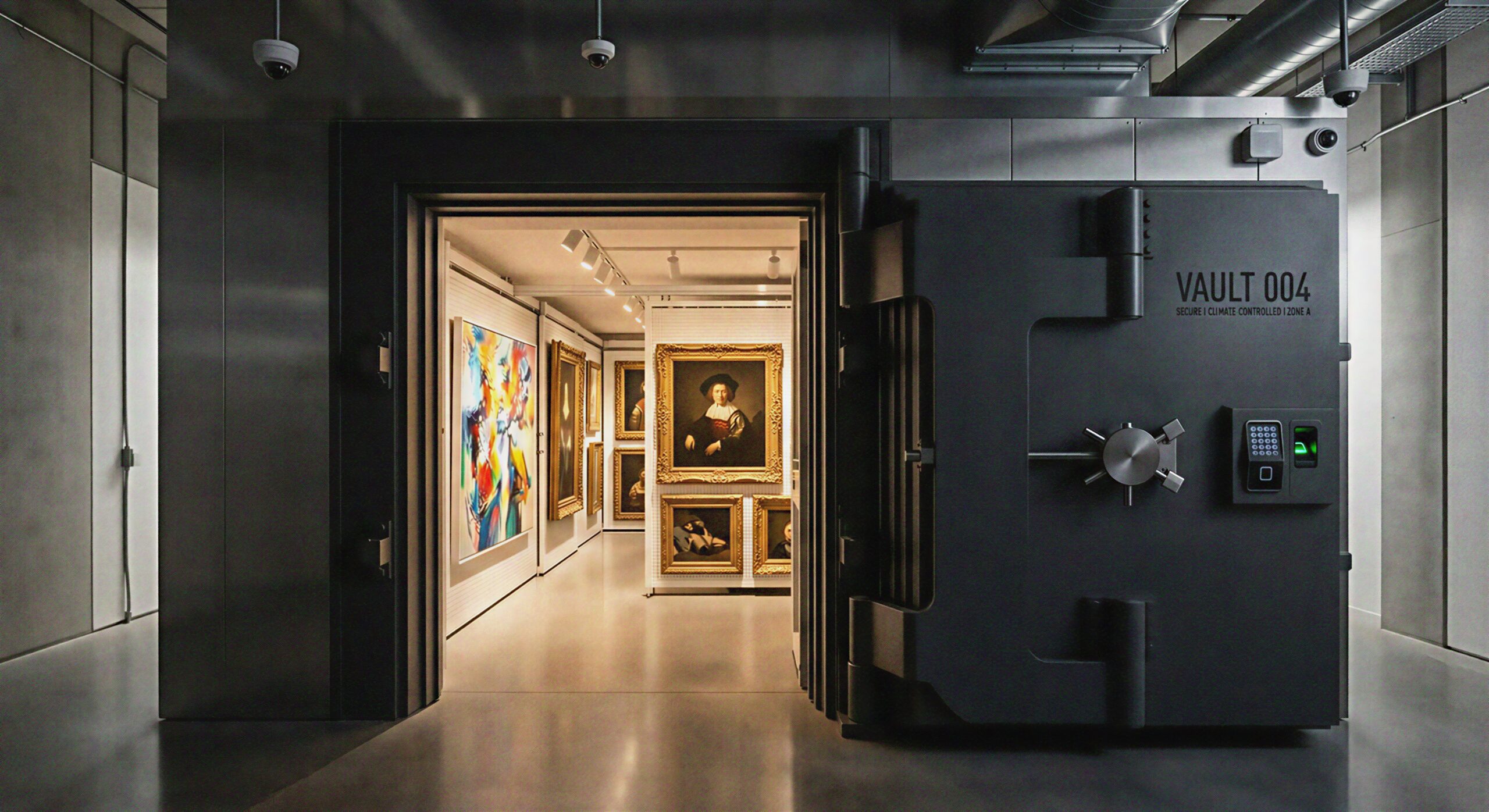
The Hedge: His art portfolio, securely sitting in a climate-controlled vault, appreciated by 11% that same year.
The Insight: The tangibility of the art not only protected his capital but provided immense psychological relief during a brutal market downturn.
Proven Strategies to Master the Blue-Chip Art Market Today
To safely transition digital wealth into the art market, you must treat it with the same analytical rigor as any other asset class. Here are actionable steps to execute this strategy:
Leverage Fractional Ownership Platforms: You do not need $10 million to start. SEC-qualified platforms like Masterworks or Yieldstreet offer fractional art ownership, allowing you to purchase shares in multi-million dollar artworks for as little as $500.
Focus Strictly on Blue-Chip Artists: Avoid emerging artists if your goal is wealth protection. Invest in names with decades of auction data (e.g., Warhol, Picasso, Kusama). These pieces historically yield 8-12% annual returns.
Utilize Crypto-Friendly Auction Houses: Major institutions have adapted to this wealth transfer. Sotheby’s and Christie’s now regularly accept Bitcoin and Ethereum for premium physical art, eliminating the need to convert to fiat currency first and potentially trigger immediate tax events.
Cap Your Allocation: Alternative investments should make up no more than 10% to 20% of your total net worth to ensure you retain sufficient liquid capital for emergencies.
Crypto vs. Rare Art Collectibles: A Definitive Asset Comparison
Understanding the exact mechanical differences between these asset classes is critical for proper allocation.
| Financial Metric | Crypto Assets (Digital Wealth) | Rare Art Collectibles (Physical) |
| Market Volatility | Extreme (Daily double-digit swings) | Very Low (Prices update annually/at auction) |
| Asset Liquidity | High (Instant 24/7 global trading) | Low (Takes 3-12 months to sell) |
| Storage Infrastructure | Digital Hardware Wallets (Cold Storage) | Freeports & Climate-controlled Vaults |
| Correlation to Equities | High (Moves with tech stocks) | Near Zero (Independent of stock market) |
| Primary Value Driver | Network adoption & Speculation | Scarcity, Provenance & Cultural significance |
The Reality Check: Pros and Cons of Physical Art Investments
Do not enter the alternative investment space blindly. It requires a clear understanding of the operational hurdles.
The Advantages:
The most significant benefit is wealth stabilization. Your net worth stops fluctuating wildly. Furthermore, the tangible nature of the asset provides a unique pride of ownership. Over a 10-to-20-year horizon, top-tier art consistently outpaces standard inflation rates, cementing its role as a generational wealth-building tool.
The Drawbacks:
The barriers to direct entry are exceptionally high. Beyond the purchase price, you must factor in severe maintenance costs: insurance premiums, appraisers’ fees, and specialized storage in tax-advantaged freeports. Additionally, the art market is largely unregulated, making provenance (verifiable ownership history) critical to avoid costly forgery scams.
Conclusion: Final Advice for New Investors
If you are a digital investor looking to anchor your wealth in the physical world, do not rush. Buying art strictly based on emotion or aesthetic appeal is a quick way to lose money. First and foremost, treat art as a strict financial instrument. Next, start by building a knowledge base around global auction trends. Furthermore, consult qualified art advisors rather than social media influencers. Additionally, begin with fractional shares to understand market cycles. Consequently, you avoid tying up massive capital. Ultimately, remember that art investing is a decades-long game. Admittedly, this strategy will not make you rich overnight. However, if executed correctly, you and your heirs will never be poor.
Frequently Asked Questions (FAQs)
Is art investing vulnerable to the same market crashes as the S&P 500?
No. In fact, fine art operates as a strictly non-correlated asset. Consequently, the high-end art market remains remarkably stable during major stock market corrections. Furthermore, its collector base typically holds assets through economic downturns. Ultimately, this behavior prevents disastrous panic selling.
How do investors avoid buying forged or fake art collectibles?
Fundamentally, due diligence is strictly reliant on “Provenance,” which is the documented history of the artwork’s ownership dating back to the artist. Therefore, investors rely heavily on independent appraisers and catalogue raisonnés. Moreover, they are now increasingly using blockchain-backed digital certificates for absolute verification.
Can I buy physical art directly with Bitcoin or Ethereum?
Yes, absolutely. Currently, top-tier auction houses like Sotheby’s and Phillips have integrated cryptocurrency payment gateways (like Coinbase Commerce) for major auctions. As a result, this integration allows crypto billionaires to seamlessly swap digital tokens for physical art. Therefore, they can invest directly without off-ramping into fiat currency first.
What happens if the fractional art platform I invested in goes bankrupt?
First, regulated platforms like Masterworks structure each artwork as a separate, isolated LLC. Therefore, suppose the parent company faces bankruptcy. As a result, the artwork itself remains completely legally protected. Consequently, your specific LLC shares stay entirely independent from corporate liabilities.
Why are storage costs for alternative investments so high?
Primarily, physical art requires “Freeport” storage or specialized vaults. First and foremost, these vaults maintain exact temperature and humidity levels. Because of this, the environment strictly prevents any canvas degradation. In addition, you must always combine this storage with premium fine art insurance. Ultimately, these policies cover major risks like theft or natural disasters. Ultimately, holding direct physical art can cost 1% to 2% of the artwork’s value annually.

Contributing Writer for Alt Finances with experience in luxury events, travel, fashion, and the arts. Active investor through her family office across real estate, energy, and private equity. University of Miami – BBA.